Common Sparring Injuries in Men, and How to Reduce Recovery Time
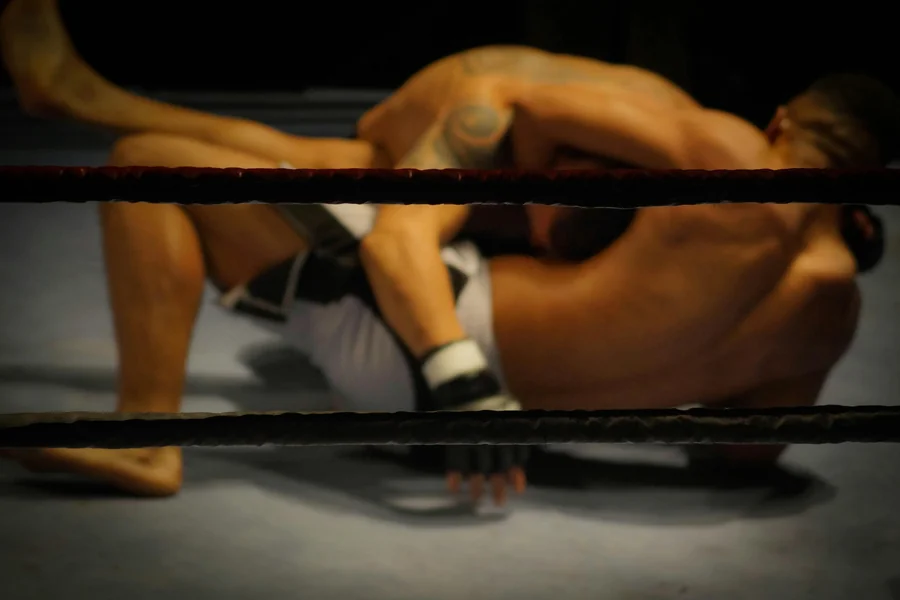
Sparring is a cornerstone of martial arts training — it sharpens technique, builds resilience, and boosts confidence.
However, because it involves controlled contact with a partner or opponent, sparring also exposes the body to a higher risk of injury than non-contact drills.
Research across various martial arts disciplines shows that joint injuries, tendon strains, sprains and occasional dislocations are among the most frequently reported sparring-related injuries in adults, both amateur and experienced practitioners.
Understanding which injuries occur most often and how to accelerate recovery without compromising long-term function is essential for men who train consistently — whether for self-defense, competition, or fitness. Below we break down the most common sparring injuries by joint, with practical strategies and devices to reduce pain, speed healing, and help you return to performance safely.
Knee Injuries
Common Issues
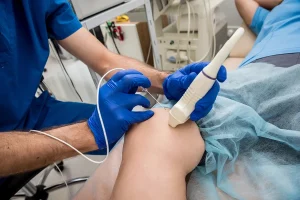
The knee is often the most injured joint during sparring, especially in grappling-focused martial arts like judo and Brazilian jiu-jitsu. Knee injuries include:
- Ligament sprains (ACL, MCL, LCL)
- Meniscus irritation or tears
- Patellofemoral pain
- Strains from sudden twists or pivots
These structures are vulnerable due to complex rotational forces during takedowns, transitions, and missteps.
Supportive Measures and Devices
Knee Bracing
Sturdy knee braces help stabilize the joint, off-loading stressed ligaments during movement without limiting mobility.
Compression Sleeves
Compression sleeves increase proprioception — your brain’s awareness of joint position — and reduce swelling by improving blood flow.
Targeted Strengthening
Activating the quads, hamstrings, glutes, and calf muscles through specific exercises builds a muscular “cage” around the knee that reduces load on passive structures.
Balance and Mobility Training
Single-leg drills, ankle mobility work, and hip strengthening improve kinetic chain function, lowering injury risk and improving recovery outcomes.
Shoulder Injuries
Shoulder injuries are the second most common joint injury in submission-style sparring sports after knees. The shoulder has the greatest range of motion of any joint in the body, which makes it powerful but also inherently less stable.
Types of Shoulder Injuries
- Rotator cuff strains and tears
- Shoulder impingement
- Acromioclavicular (AC) joint sprains
- Subluxations or dislocations
These often occur during takedowns, arm locks, over-extension in grappling, or repetitive overhead motions.
Shoulder Injury Support and Recovery
Shoulder Bracing
Rigid shoulder braces can provide external support and reduce risky ranges of motion while still allowing training.
Resistance Band Stability Work
Routine band exercises strengthen the rotator cuff and scapular stabilizers, which help absorb force effectively during contact.
Soft Tissue Tools
Foam rollers, lacrosse balls, and muscle scrapers can reduce trigger points and scar tissue in the shoulder girdle, aiding recovery and mobility.
Electrical and Modalities for Shoulder Rehab
Electrical Muscle Stimulation (EMS)
EMS can help maintain muscle activation during periods of reduced training. It gently stimulates muscle contraction, which can preserve strength and speed recovery.
TENS (Transcutaneous Electrical Nerve Stimulation)
For pain management, a TENS unit can interrupt pain signals and allow you to maintain mobility during early recovery phases.
Cold and Heat Therapy
Using ice early (first 48–72 hours) reduces inflammation, while heat before training improves blood flow and range of motion.
Ankle Injuries
Common Ankle Issues in Sparring
Ankles sustain sprains, strains, and occasional ligament tears when:
- Footwork missteps during evasive maneuvers
- Kicks land off-balance
- Partner contact forces the foot into an awkward position
Although the lower limbs account for more injuries overall, the ankle remains a frequent source of downtime and frustration for fighters of all levels.
Strategies to Reduce Recovery Time
Ankle Bracing or Taping
Bracing or athletic taping before training sessions restores confidence and restricts risky inversion or eversion.
Proprioception Drills
Exercises like balance pads, single-leg hops, or wobble boards promote neuromuscular control — a key element in preventing repeat ankle injuries.
Active Recovery
Stimulate circulation in the ankle through controlled movement and gentle range-of-motion exercises rather than complete immobilization unless clinically necessary.
Elbow Injuries
Common Elbow Strains and Irritation
The elbow is often stressed during grappling or boxing sparring due to:
- Repeated punches
- Arm bars and lock attempts
- Hyperextension during sparring transitions
Elbow tendinopathy and irritated ligaments can be painful and slow to settle.
Elbow Recovery Tools
Compression Sleeves
A compression sleeve over the joint can support circulation and reduce swelling during and after sparring.
Targeted Strengthening
Eccentric strengthening for the flexor and extensor muscles of the forearm helps balance load and speed recovery.
Mobility Work
Gentle stretching before and after training maintains joint range and reduces stiffness.
Wrist and Hand Injuries
Why They Happen
Hands and wrists frequently absorb impact from striking or grappling grips, especially without proper technique or protective gear.
Injury Prevention & Recovery
Wrist Supports
Adjustable wrist wraps or splints can limit risky movements while still allowing functional grip and control.
Grip Strength Conditioning
Tools like grip trainers or therapeutic putty increase muscular endurance and joint resilience.
Ice and Active Movement
Immediate icing after trauma and early gentle mobilization reduces stiffness and limits scar tissue formation.
Reducing Recovery Time: General Principles
Prioritize Movement, Not Immobility
Complete immobilization often delays healing. Instead, controlled movement enhances circulation, stimulates repair, and prevents joint stiffness.
Sleep and Nutrition Matter
Protein, omega-3 fatty acids, vitamin D, and minerals like zinc support tissue repair. Sufficient sleep also accelerates recovery and hormone balance.
Graduated Return to Training
Instead of jumping into full sparring, structure your comeback in phases — technique-only drills, light contact, then controlled sparring — to rebuild confidence and tissue tolerance.
Work with Professionals
Physical therapists, sports chiropractors, or knowledgeable athletic trainers can tailor a recovery plan suited to your body, goals, and risks. Innovativemen.com’s holistic approach integrates functional movement and recovery science for men aiming to sustain long-term performance.
Conclusion
Sparring injuries are a reality for committed martial artists and combat sport enthusiasts, but they do not have to become recurring setbacks. By understanding which joints are most often injured — with knees and shoulders notably common — and applying structured recovery and prevention strategies, men can minimize downtime and build greater resilience over time.
Bracing, stability training, electrical modalities, and intelligent progression all play roles in reducing recovery time and preserving long-term performance in training and competition.