Elevating Standards: Clarity and Excellence in Eye Care
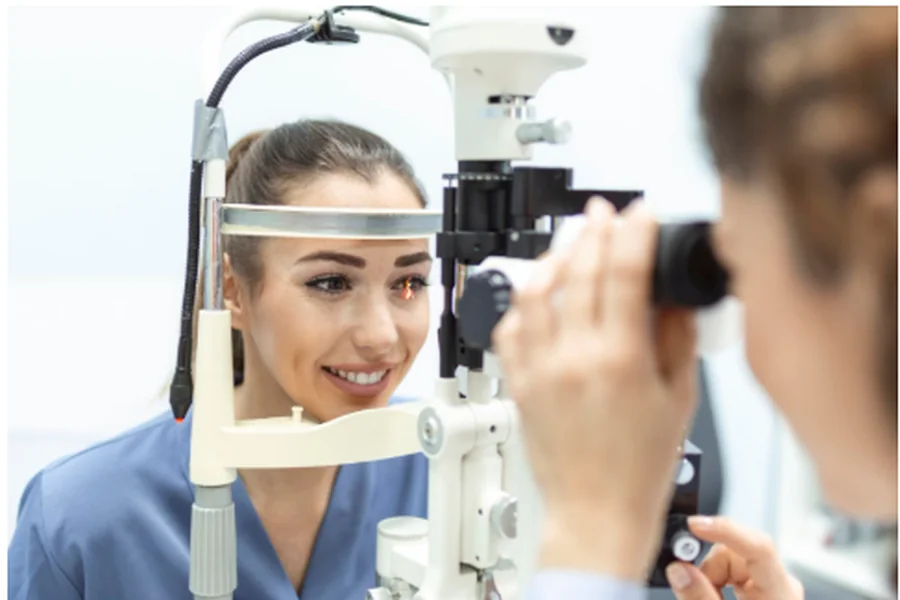
In today’s fast-changing healthcare environment, maintaining clarity and excellence in eye care is essential. Providing high-quality care not only protects vision but also improves overall quality of life. For more information about comprehensive eye care services, you can visit https://eyespire.com.au/. Both patients and practitioners benefit from understanding what contributes to effective eye care. Practices such as Eyespire demonstrate how outstanding service relies on advanced technology, skilled professionals, and patient education. These elements combine to create a patient experience that is accurate, comfortable, and reassuring.
The Role of Advanced Technologies
Technology has transformed the field of eye care, changing how professionals diagnose, monitor, and treat conditions. Modern eye care facilities increasingly rely on advanced tools to improve accuracy and efficiency. Patients benefit from faster, more comfortable evaluations while receiving precise diagnoses.
One such innovation is Optical Coherence Tomography (OCT), a non-invasive imaging technique that captures detailed cross-sectional images of the retina. OCT helps detect conditions like macular degeneration and diabetic retinopathy at an early stage. Digital retinal photography is another tool used to track changes over time, allowing practitioners to intervene promptly when necessary. These technologies provide both peace of mind and improved clinical outcomes, making routine examinations more effective and reliable.
Skills and Training of Eye Care Professionals
Excellence in eye care is directly linked to the expertise of practitioners. Eye care professionals undergo extensive training to develop the skills required for precise treatments and interventions. Their education covers everything from the basic anatomy and physiology of the eye to advanced procedures such as refractive surgeries and disease management.
Ongoing professional development is equally important. Eye care providers attend workshops, seminars, and specialised courses to stay up to date with the latest advancements. Certifications from recognised professional bodies highlight a practitioner’s commitment to maintaining high standards of care. This combination of education and continuous learning ensures patients receive informed, competent, and effective treatment.
Patient Education: An Integral Component
While technology and skilled practitioners are essential, patient education plays a critical role in maintaining eye health. Educated patients are more likely to follow treatment plans, engage in preventive care, and make informed decisions regarding their vision. Effective education involves clear communication about diagnoses, treatment options, and lifestyle adjustments.
Practices often use brochures, interactive websites, and one-on-one counselling sessions to provide information about potential risk factors, preventive measures, and healthy habits. By empowering patients with knowledge, eye care professionals encourage proactive participation in preserving vision. When patients understand their condition and care plan, they are more confident and engaged, leading to better long-term outcomes.
Preventive Eye Care: A Proactive Approach
Preventive care is key to maintaining eye health and avoiding serious conditions. Regular eye examinations allow practitioners to detect problems early, before they progress into major issues. Comprehensive check-ups can reveal vision impairments and even underlying health conditions such as high blood pressure or diabetes, which may first appear as changes in the eyes.
Preventive care also includes guidance on protective measures, such as wearing appropriate eyewear for vision correction or shielding against harmful UV rays. Lifestyle adjustments, including a balanced diet, quitting smoking, and maintaining regular exercise, further support ocular health. By taking proactive steps, patients can reduce their risk of developing sight-threatening conditions while enhancing overall well-being.
Integrating Technological Innovations into Practice
Incorporating new technologies into eye care requires more than just purchasing advanced tools—it also involves adapting procedures and patient management strategies. Telehealth services, for instance, allow practitioners to provide consultations and follow-ups remotely, expanding access to care for patients in rural or underserved areas.
Artificial Intelligence (AI) is another transformative innovation. AI algorithms can analyse large amounts of data, assisting practitioners in diagnosing diseases, predicting outcomes, and creating personalised treatment plans. By combining human expertise with technological tools, eye care providers can make more informed decisions, improving both efficiency and patient outcomes.
The Importance of Collaborative Care
Collaboration among healthcare professionals enhances the quality and comprehensiveness of eye care. Optometrists, ophthalmologists, and other specialists working together ensure patients receive coordinated treatment that addresses all aspects of their eye health.
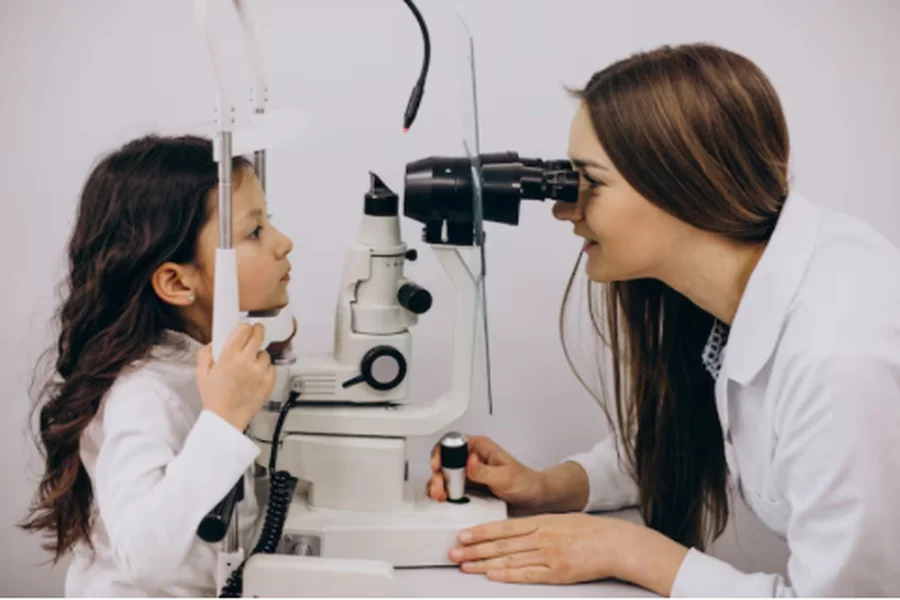
For example, an optometrist may identify a patient with early-stage glaucoma and refer them to an ophthalmologist for advanced evaluation and possible surgery. Follow-up care can then be managed collaboratively to maintain long-term eye health. This cohesive approach not only improves clinical outcomes but also streamlines the patient experience, ensuring continuity and consistency of care.
The Future of Eye Care
Eye care continues to evolve through ongoing research and technological advancement. Innovations such as gene therapy, nanotechnology, and advanced imaging techniques are shaping the future of treatment and early detection. These developments promise more personalised, precise, and effective eye care solutions.
Practitioners are embracing these changes by continuously updating their methods and incorporating meaningful innovations. By prioritising clarity, skill, and technological integration, the field of eye care aims to improve not just vision but overall health and quality of life. Eyespire exemplify this commitment, providing patient-centred care that combines expertise, technology, and education to achieve the best possible outcomes.
Conclusion: Advancing Excellence in Eye Care
Maintaining high standards in eye care requires a combination of advanced technology, skilled professionals, patient education, and preventive strategies. By integrating these elements, practitioners can deliver care that is accurate, effective, and compassionate. Preventive measures, collaborative approaches, and innovative tools all contribute to a patient experience that is proactive, personalised, and reliable.
As the field continues to evolve, eye care professionals remain dedicated to enhancing vision health while adapting to new challenges and opportunities. Eyespire sets a benchmark for patient-centred, technologically advanced, and sustainable care. By combining expertise, innovation, and education, the industry continues to ensure that patients receive the highest quality of care, preserving vision and enhancing quality of life for years to come.