
What Are the Symptoms of Diabetes?
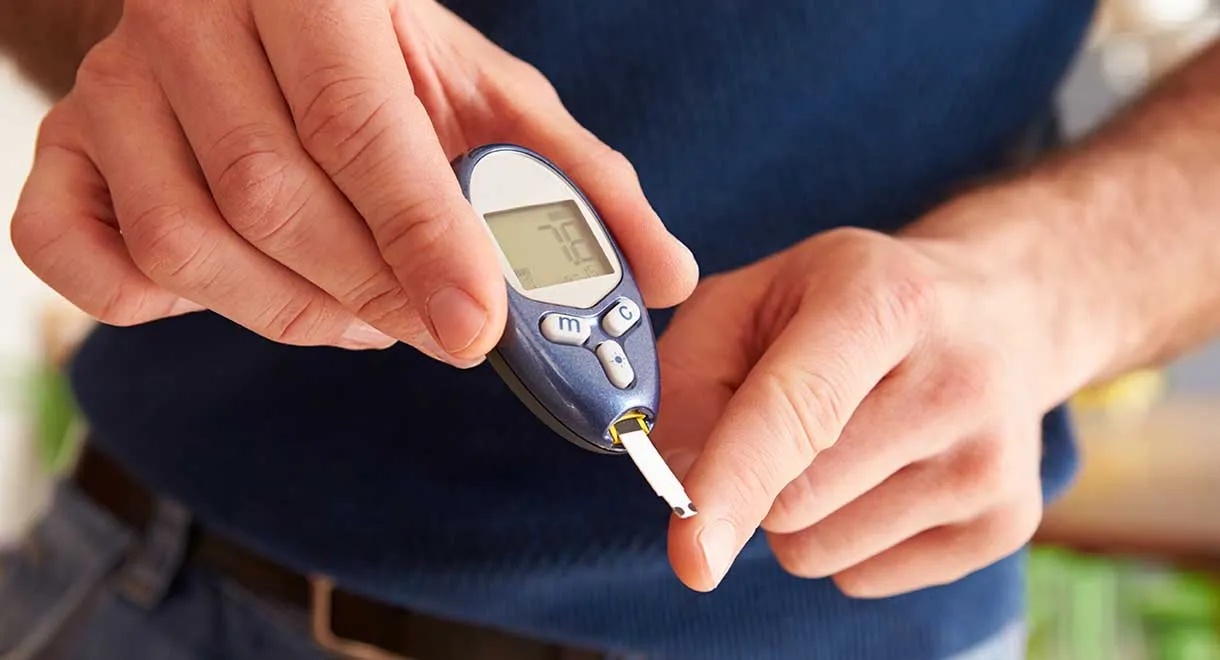
It is a life threatening disease that comes about as a result of the inability in the body ensuring proper balancing of the sugar levels (glucose) in the body. Type 1, Type 2, and gestational diabetes may have mild or severe symptoms and it is important to have early detection of the diabetes to manage the infection. In this paper, we shall look at the usual symptoms when it comes to diagnosis of diabetes, how to detect them at early stages, and why it is important to remember the symptoms to improve well-being and health.
Understanding Diabetes
Diabetes impacts on how the body makes or uses insulin, a hormone, which controls the glucose in the blood. Insulin resistance, as the case with Type 2 diabetes, and the autoimmune destruction of insulin producing cells in Type 1 diabetes can raise the level of blood sugar, thus causing a variety of health risks, in case untreated.
Prevention of diabetes is the main way that leads to effective treatment of the disease symptoms, and avoidance of its complications, which include heart diseases, kidney damage, and nerve damage.
Common Symptoms of Diabetes
Although the symptoms of diabetes may be very similar between the types, they can occur progressively in Type 2 diabetes as opposed to the rapid onset of Type 1 diabetes. Here are the key symptoms to look out for:
1. Increased Thirst (Polydipsia)
Feeling especially thirsty can be defined as one of the first symptoms of diabetes, which is referred to as polydipsia. The kidneys become overworked when there is excess glucose in the body due to high level of sugar in the blood. As a result of this process, fluids are lost and one becomes dehydrated. This results in an alarm by the body to the brain to intake more fluids and hence develops excess thirst that is not easy to satisfy.
2. Frequent Urination (Polyuria)
You can have the urge to pass water more frequently and more than usual called polyuria as the body attempts to get rid of the excess glucose in the urine. All this frequent urination can interfere with the sleep pattern and also results in dehydration which also adds to the sensation of thirst.
3. Fatigue and Weakness
Untreated diabetes leads to the situation when the body fails to process glucose into energy. It results in chronic fatigue and weakness, where the cells lack the sources of the required energy. Most people with diabetes tend to complain that they become excessively fatigued despite a good night rest.
4. Unexplained Weight Loss
There is a general tendency to unexpected weight-loss, particularly in Type 1 diabetes. Since the body cannot get glucose to give energy because of unavailability of insulin, the body starts breaking down muscle and fats to give energy. The process may cause a person to lose much weight, even when they do not change their diet much.
5. Blurred Vision
The lens of the eye is another organ that can get affected by elevated levels of blood sugar, which results in fluidic changes in the body that cause blurriness. This symptom may in certain instances be associated with the occurrence of cataracts or blood vessels damage in the eyes, which can cause permanent vision issues in case this situation is not controlled.
6. Slow-Healing Sores and Infections
Diabetes can impair the body’s natural healing process. Many levels of glucose in the blood may slow down the flow of blood and cause immune system to become weak so that the body might find it difficult to resist infections and heal the wounds. When the healing time of cuts, bruises or sores exceeds the normal time, it may be a symptom of diabetes.
7. Increased Hunger (Polyphagia)
Although diabetic people are likely to contain more sugar in their blood, the glucose, in many cases, is not utilized by their organism as a source of energy. This results in hunger or polyphagia because the body feels the need to eat more because it has no source of energy. In case of the appearance of other symptoms (and excessive hunger is one of them), diabetes can also be a factor.
8. Tingling or Numbness in Hands or Feet
Some of the complications that can be caused by persistently high blood sugar levels include nerve damage, or diabetic neuropathy. This condition is a typical complication that mostly involves the hands and the feet and results in a tingling feeling, numbness or even sharp pains. Proper early diagnosis and treatment of the nerve damage is critical to control the progression.
9. Darkened Skin in Certain Areas (Acanthosis Nigricans)
In other people with Type 2 diabetes stains of dark velvety skin can appear on the skin, and particularly in its region such as the armpits, neck, or the groin. It is called acanthosis nigricans and commonly relates to insulin resistance and indicative of the oncoming presence of diabetes.
When to See a Doctor
Although some of the above symptoms can be insignificant or brushable off, it is essential to consider visiting a healthcare professional in case you have a set of such signs. Diagnosis early is very crucial when it comes to the management of diabetes because long-term effects can be avoided. With simple blood tests, a doctor is able to state whether you have diabetes or the likelihood of you developing it, which include the fasting blood sugar test or the A1C test.
The Importance of Managing Diabetes Symptoms
It is necessary to control the symptoms of diabetes and avoid severe health issues. These include:
Cardiovascular Disease: Diabetes has an extreme risk of heart disease, high blood pressure and stroke.
Kidney Damage (Nephropathy): High blood sugar levels over a long period may cause damage to the body; kidney failure is associated with this problem unless treated.
Neuropathy: Nerve damage (neuropathy) can be caused by a lack of control of blood sugar levels resulting in numbness in the extremities, and predisposition to infection in the feet and legs.
Eye Problems: Bleeding of the eyes may also result due to high blood sugar which may cause blindness.
As soon as people with diabetes learn to recognize the symptoms and visit a doctor in time, they will be able to have a better quality of life and avoid the development of the said complications.
Prevention and Lifestyle Adjustments
Type 1 diabetes is incurable whereas Type 2 can be prevented to a very high extent in terms of prevention by adopting lifestyle adjustments. These are some of the measures that can assist in curtailing the chances of getting diabetes:
BMI/Weight: Being overweight is one of the key risk factors of diabetes Type 2. Physical exercise and healthy diet will enable regular control of weight and avoidance of diabetes.
Have a balanced Diet: This is where people emphasize on more on the whole grains, lean proteins, vegetables, and fruits and less on processed sugars and unhealthy fats.
Do Workout: Worked up games or sport (exercise), and deferential effort are expressions of walk, swimming, or cycling, which can support normal verticality and insulin eon.
Check Blood Sugar: People with prediabetes or a family history of diabetes will want to regularly check their blood sugar levels so they can learn about the problem early on and take steps to mitigate it.
Conclusion
Diabetes- Diabetes is a disease that requires early recognition of the symptoms of diabetes in order to prevent the complications of its occurrence. It is important to know some of the common symptoms like feeling much thirstier than usual, urinating frequently, tired all the time and even unexplained weight loss and take the appropriate measures necessary to get medical consultation in order to restore their health. Diabetes is treatable through lifestyle modifications and regular treatment with the help of which people may live perfectly normal lives.