Are Composite Veneers Right For You? Consider This
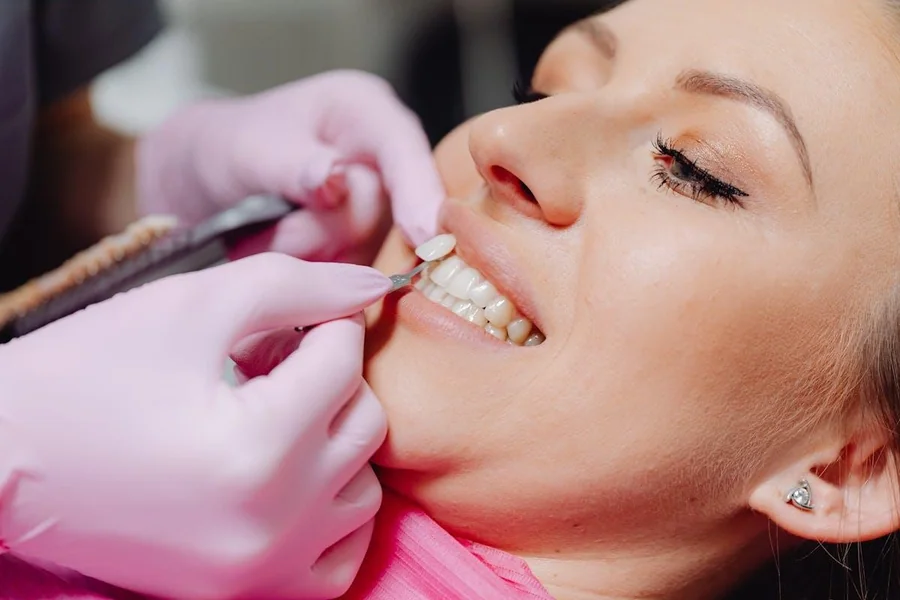
The American Dental Association reports that cosmetic dentistry procedures have increased by over 40% in the past decade, with composite veneers leading this surge due to their accessibility and immediate results. Unlike traditional porcelain alternatives that require multiple appointments and significant enamel removal, composite veneers can transform a smile in a single visit while preserving most of your natural tooth structure.
This shift reflects a broader change in how people approach dental aesthetics — moving from major interventions toward conservative treatments that deliver meaningful improvements without long-term commitments. For anyone considering smile enhancement, composite veneers represent a middle ground that addresses common concerns like staining, minor chips, and gaps while maintaining flexibility for future dental work.
The decision isn’t just about aesthetics, though. Understanding how these treatments work, what they can realistically achieve, and how they compare to alternatives helps ensure your choice aligns with both your immediate goals and long-term oral health. The following analysis breaks down the key factors that determine whether composite veneers make sense for your specific situation.
How Do Composite Veneers Enhance Tooth Appearance?
Composite veneers work by applying tooth-colored resin material directly to your existing tooth surface, allowing for precise customization that addresses specific aesthetic concerns. The dentist sculpts the material while it’s still pliable, then hardens it with a special light, creating a new surface that can dramatically alter color, shape, and alignment.
For teeth affected by surface stains that don’t respond to whitening — think coffee rings, tobacco discoloration, or fluorosis spots — composite veneers provide complete coverage that looks natural under various lighting conditions. The resin material comes in multiple shades and translucencies, enabling practitioners to match your surrounding teeth or create a uniform appearance across your smile line.
The sculpting process offers advantages beyond simple coverage. Dentists can extend the length of worn-down teeth, close small gaps between teeth, or even adjust the apparent alignment of slightly crooked teeth without orthodontics. Consider someone with one tooth that appears shorter due to grinding — a composite veneer can restore symmetry to their smile line in about an hour.
Unlike treatments that work from the inside out, composite veneers change the actual surface you see, which means results are immediate and predictable. Patients walk out with their new appearance rather than waiting weeks to see the full effect. This directness makes composite veneers particularly appealing for addressing specific teeth that stand out negatively in an otherwise healthy smile.
The material bonds chemically to your tooth enamel, creating a strong attachment that feels natural when biting and chewing. This integration means the veneer becomes part of your tooth rather than sitting on top of it, which contributes to both durability and comfort during daily use.
How Do Composite Veneers Compare With Ceramic Veneers?
The fundamental difference lies in application method and material properties, which drives most other distinctions between these approaches. Ceramic veneers require laboratory fabrication from impressions, meaning multiple appointments and temporary coverage, while composite veneers are built directly in your mouth during a single visit.
Durability varies significantly between the materials. Ceramic veneers typically last 10-15 years with proper care, while composite veneers generally need replacement or touch-ups every 5-8 years. However, when composite veneers do chip or stain, repairs can often be completed chairside in a single appointment, whereas ceramic damage usually requires complete replacement.
Cost considerations extend beyond the initial price difference. While composite veneers cost roughly half what ceramic veneers do upfront, the shorter lifespan means more frequent replacements. For someone planning to keep their veneers for decades, the total cost may actually favor ceramics despite the higher initial investment.
The bonding process reveals another key distinction. Composite veneers require minimal tooth preparation — often just surface cleaning and slight roughening. Ceramic veneers typically need removal of a thin layer of enamel to accommodate the porcelain thickness, making them irreversible. This difference matters enormously for patients who might want to change their minds later or need different dental work in the future.
Aesthetic capabilities differ as well. Ceramic veneers offer superior stain resistance and maintain their appearance longer, particularly important for people who drink coffee, wine, or tea regularly. Composite veneers can develop surface staining over time, though professional polishing during routine cleanings helps maintain their appearance. For composite veneer treatment planning, understanding these maintenance requirements helps set realistic expectations about long-term care.
Ceramic veneers also reflect light more naturally, creating depth and translucency that closely mimics natural tooth enamel. Composite veneers, while attractive, tend to have a more uniform appearance that experienced eyes might identify as dental work.
Who Are Composite Veneers Best Suited For Long Term?
The ideal composite veneer candidate has specific aesthetic concerns on otherwise healthy teeth with sufficient enamel for bonding. People with minor chips, surface stains, or small gaps between teeth often see excellent results, particularly if they maintain good oral hygiene and avoid habits that stress dental work.
Age plays a practical role in candidacy. Younger patients who might want orthodontics later, or whose teeth are still shifting slightly, benefit from the reversible nature of composite veneers. Someone in their early twenties with minor spacing issues might choose composite veneers now and consider porcelain alternatives after their teeth have fully stabilized.
Tooth grinding presents a significant consideration. While composite veneers can withstand normal chewing forces, people with severe bruxism may find their veneers chip or wear down quickly. Night guard use helps protect the investment, but patients with heavy grinding habits might achieve better long-term value with ceramic alternatives or by addressing the grinding first.
The location of treated teeth matters for longevity. Front teeth that primarily handle cutting rather than heavy chewing forces tend to maintain composite veneers longer than premolars that endure more grinding pressure. Someone seeking veneers on their canines for aesthetic reasons generally sees different durability than someone covering molars that take significant bite force.
Composite veneers preserve more natural tooth structure than alternatives, which benefits long-term oral health. This conservative approach leaves options open for different treatments later in life, when dental needs might change. A patient who receives composite veneers at 30 can still choose crowns, orthodontics, or porcelain veneers decades later without having lost significant enamel.
Maintenance requirements suit people who maintain regular dental checkups and professional cleanings. The material benefits from periodic polishing and can develop small chips that need repair, making consistent professional care more important than with natural teeth alone. For anyone curious about what modern cosmetic dentistry can achieve, MaryleboneSmileClinic in London offers a wealth of information to help you make an informed decision.
What Is the Procedure and How Minimally Invasive Is It?
The entire composite veneer process typically takes one to two hours per tooth, depending on complexity. After examining your teeth and discussing goals, the dentist lightly etches the surface to create better bonding, then applies a conditioning agent that helps the composite material adhere.
The building process happens in layers. The dentist applies tooth-colored resin in thin sections, shaping each layer before curing it with a specialized light. This layering technique allows for precise color matching and natural-looking depth, as different areas of a tooth naturally have different translucencies and shades.
Unlike procedures that require significant tooth reduction, composite veneers preserve nearly all your original enamel. Most patients need only surface preparation — essentially a thorough cleaning and slight roughening to improve bonding. Anesthesia is rarely necessary unless the patient has sensitivity concerns or requests it for comfort.
The sculpting phase allows for real-time adjustments. You can see the shape developing and provide feedback before the final curing, which means fewer surprises and better satisfaction with the result. This immediate customization contrasts sharply with laboratory-made alternatives where changes require starting over.
Final shaping and polishing happen immediately after the resin hardens. The dentist contours the veneer to match your bite pattern and polishes the surface to the desired sheen. Most patients can eat normally within a few hours, though avoiding very hard foods for the first day helps ensure optimal bonding.
Recovery involves virtually no downtime. Some patients experience slight sensitivity for a day or two as their teeth adjust to the new surface, but this typically resolves quickly. Unlike surgical procedures or treatments requiring healing time, composite veneers integrate immediately into your daily routine.
What Are Common Misconceptions and What Does Science Say?
One persistent myth suggests composite veneers damage underlying teeth or weaken enamel structure. Research published in the Journal of Prosthetic Dentistry shows that properly applied composite veneers actually protect the underlying tooth surface from wear and acid erosion, acting as a barrier against daily stresses that would otherwise affect natural enamel directly.
Many people assume composite materials stain easily and permanently, but this oversimplifies the science. While composite veneers can develop surface discoloration over time, studies demonstrate that professional polishing during routine cleanings effectively removes most staining. The key factor is maintenance — veneers that receive regular professional care maintain their appearance significantly longer than those that don’t.
The durability question generates confusion because people often compare composite veneers to ceramics without considering the repair factor. Clinical studies indicate that while ceramic veneers last longer without intervention, composite veneers that receive periodic maintenance and minor repairs can provide decades of service. The ability to fix small problems chairside rather than replacing entire units changes the practical longevity equation.
Some patients worry that composite veneers will feel bulky or unnatural. Biomechanical research shows that properly contoured composite additions integrate smoothly with natural tooth function, creating no interference with normal chewing or speaking patterns. The material’s ability to be shaped precisely means thickness can be minimized while still achieving the desired aesthetic result.
A common concern involves reversibility — whether removing composite veneers damages teeth. Scientific evidence supports the conservative nature of the procedure, showing that careful removal typically leaves enamel in excellent condition for future treatments. This reversibility distinguishes composite veneers from more invasive alternatives and provides flexibility as dental needs evolve over time.
The evidence consistently supports composite veneers as an effective bridge between purely conservative treatments and major restorative work, offering meaningful aesthetic improvements with minimal risk to long-term oral health. For patients seeking immediate results without permanent commitments, the scientific literature validates composite veneers as a sound therapeutic choice.