Why Low-Carbon Aluminium is Becoming a Priority for Sustainable Packaging
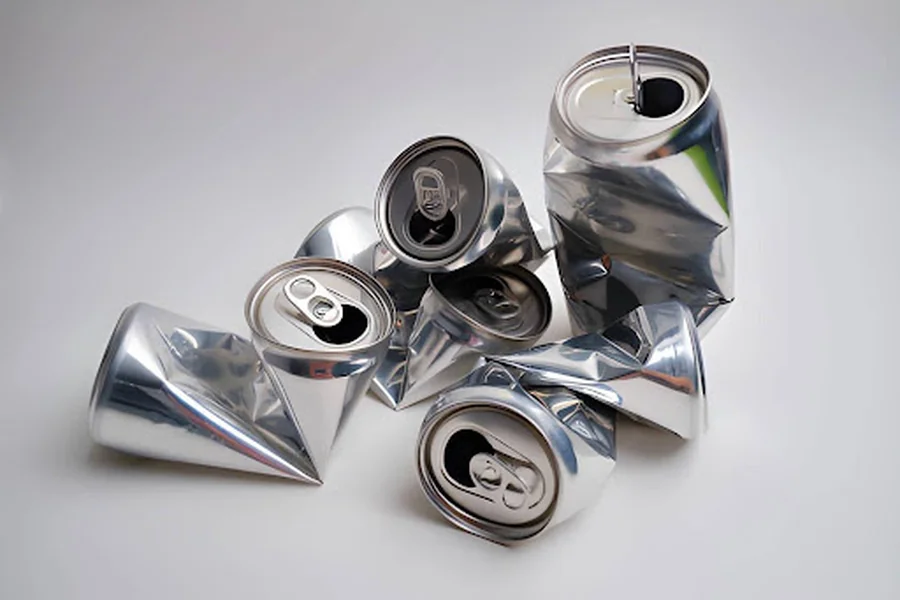
Sustainability is no longer just a marketing trend. Consumers increasingly seek products that are convenient, attractive, and environmentally responsible. From food and beverages to personal care, brands are rethinking their packaging choices and exploring materials with lower environmental impact.
For businesses, aluminum packaging offers an opportunity to combine product protection, design flexibility, and sustainability. AluminumPackaging.com is an excellent online resource that helps businesses explore diverse packaging solutions to meet their custom market expectations and requirements.
As environmental awareness grows, reducing emissions throughout the packaging lifecycle is becoming increasingly important. The focus is no longer just on what packaging is made from, but also on how it is produced, used, and recycled.
Why Does Low-Carbon Aluminium Matter?
Aluminium is lightweight, durable, and recyclable, making it suitable for beverage cans, food containers, tubes, and premium packaging. Yet, producing primary aluminium requires substantial electricity, and its carbon footprint depends largely on the energy source.
Low-carbon aluminium reduces emissions through renewable energy, efficient manufacturing, and recycled materials. Beyond environmental benefits, it helps brands meet sustainability targets, respond to growing consumer expectations, and adapt to changing supply-chain requirements while maintaining packaging quality and functionality.
Recycling Makes a Real Difference
One of the biggest advantages of aluminium is its ability to be recycled repeatedly without losing its essential properties. Recycling also generally requires far less energy than producing primary aluminium from raw materials.
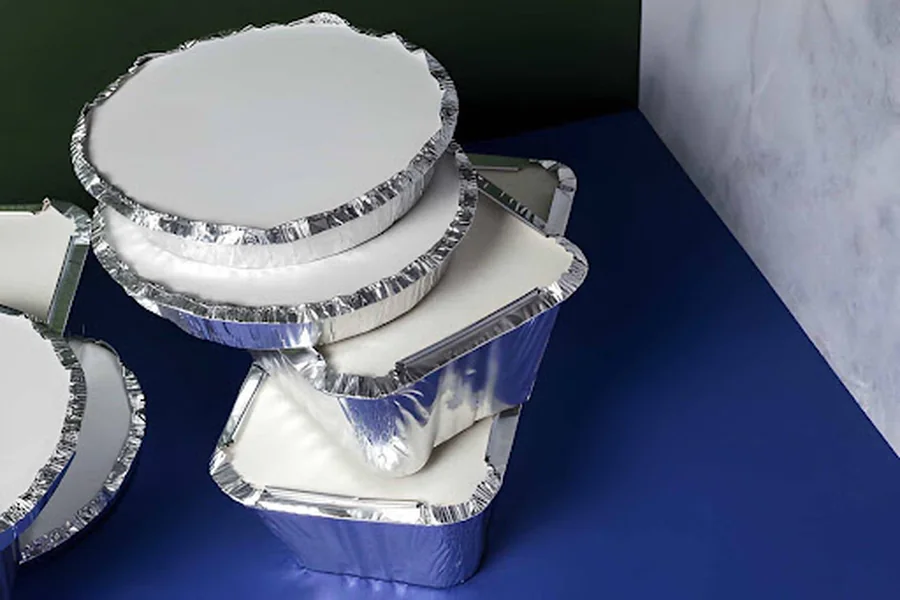
Here is why recycled aluminium matters:
- Lower energy consumption: Recycling uses significantly less energy than primary production.
- Reduced emissions: Using recycled material can help lower the carbon footprint of packaging.
- Resource conservation: Recycling reduces the requirement for extracting and processing fresh raw materials.
Of course, recycling alone is not enough. Collection systems, sorting facilities, and responsible manufacturing all play a part. A recyclable package delivers greater environmental value when it is actually collected and recycled.
Innovation Is Changing the Market
The aluminium packaging market is evolving as brands look for lighter, more efficient, and lower-impact solutions. Industry discussions increasingly focus on low-carbon production, material efficiency, and supply-chain transparency.
Manufacturers are exploring ways to reduce the amount of material used in packaging while maintaining strength and product protection. Even small design improvements can make a difference when millions of units are produced.
Another important development is the growing attention to carbon data. Businesses increasingly want to understand where materials come from, how they are produced, and what emissions are associated with them. This makes credible environmental information an important part of supplier relationships.
What Should Businesses Look For?
When choosing lower-carbon packaging, companies should consider more than a sustainability claim on a label.
- Ask suppliers about recycled content and the source of electricity used in production.
- Request reliable carbon-footprint information and supporting documentation.
- Consider packaging weight, durability, and recyclability together.
- Check whether local recycling systems can process the packaging.
Looking Ahead
Low-carbon aluminium helps brands balance sustainability with durability, flexibility, and visual appeal. By improving sourcing, manufacturing efficiency, and recycling, businesses can reduce environmental impact. With thoughtful design and responsible production, aluminium can contribute to a more resource-conscious packaging industry.