The Benefits and Risks of Open-Source Software
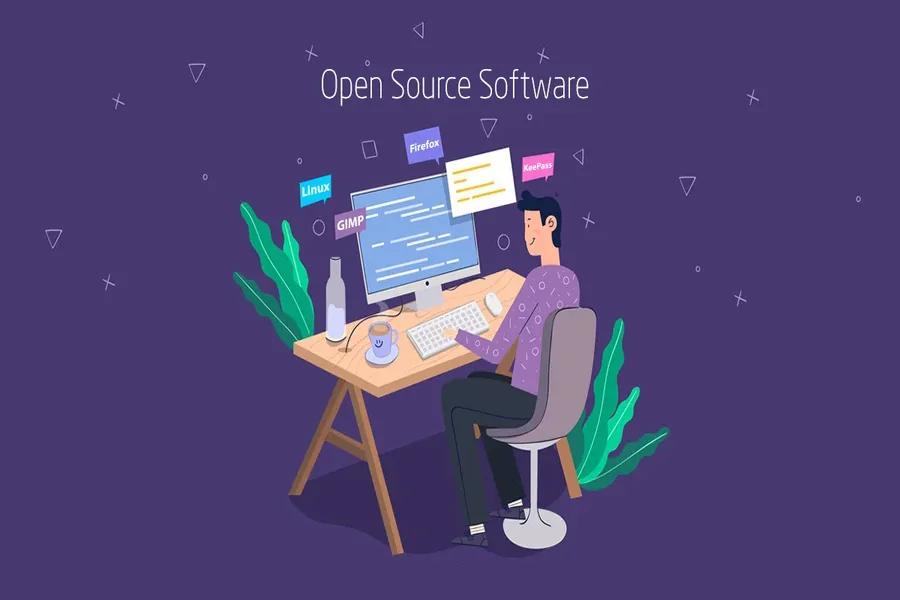
Open-source software, often shortened to OSS, is software whose source code can be viewed, modified, and shared under the terms of its license. This makes it different from proprietary software, which is usually controlled by a company or an individual and cannot be changed freely by users.
Many people use open-source software without realizing it. It plays a major role in websites, cloud services, operating systems and specialized digital platforms, including the infrastructure behind a turnkey online casino. Some of the world’s most widely used digital systems depend on open-source projects.
The main appeal of open-source software is easy to understand. It can be affordable and adaptable. Still, open source is not a risk-free solution. It must be maintained, updated, and monitored like any other important technology.
What Makes Open-Source Software Different?
Transparency is one of the clearest differences between open-source and proprietary software. Because the code is available, developers can study how a program works, researchers can look for security problems, and organizations can evaluate the software before relying on it.
Open-source projects are also often collaborative. A project may include contributors from different companies and technical backgrounds. Some write code, while others report bugs, improve documentation, test new releases, or review proposed changes.
When a project has an active and well-organized community, this collaboration can lead to faster improvements and creative solutions. However, not every project has the same level of support. Some important tools are maintained by only a few volunteers, which can create problems if those maintainers no longer have the time or resources to continue.
Open source can also give users more control. An organization may be able to customize the software, connect it to existing systems, or switch service providers without giving up the technology itself. This can reduce dependence on a single vendor.
How Open-Source Software Is Developed
Most open-source projects publish their code in online repositories. Contributors can suggest changes, submit fixes, or propose new features. These changes are usually reviewed before they become part of the official version.
Larger projects may also use automated testing, security scanning, and formal release procedures. These practices help identify errors before updates are made available to users.
However, development standards vary widely. A popular project may have detailed documentation, regular updates, and a dedicated security team. A smaller project may depend on one person working in their spare time.
For that reason, organizations should look beyond popularity before adopting an open-source tool. They should ask whether the project is updated regularly, whether reported problems are addressed, whether the documentation is useful, and whether security support is available. These details often reveal more about a project’s reliability than the number of downloads alone.
Understanding Open-Source Licenses
Open-source software is free to inspect and modify, but that does not mean it has no rules. Its license explains how the software may be used, changed, and distributed.
Permissive licenses, such as the MIT and Apache 2.0 licenses, generally allow broad reuse with relatively few restrictions. Copyleft licenses, including the GNU General Public License, may require modified versions or related software to be released under similar terms. Weak copyleft licenses, such as the LGPL, apply these requirements more narrowly.
For individual users, licensing may not seem important. For businesses, it can have serious consequences. A company that includes open-source components in a commercial product must understand and follow the relevant license conditions. Failing to do so can lead to legal disputes, compliance issues, or delays in releasing a product.
The Benefits of Open-Source Software
One of the biggest advantages of open-source software is that it can save both time and money. Developers can build on existing tools instead of creating every function themselves. This allows teams to focus on the parts of a product that are unique to their needs.
Open-source tools can also make experimentation easier. Developers can test ideas, change features, and connect different systems without waiting for a vendor to approve or develop a new function. This flexibility is especially useful in areas such as cloud computing, data analysis, software development, and cybersecurity.
Public access to the code may also improve security, although transparency by itself is not enough. Code is only safer when knowledgeable people are actively reviewing it and fixing the problems they find. In a healthy project, researchers can examine security claims, report weaknesses, and help developers respond quickly.
Another benefit is independence. An organization may be able to maintain its own version of a program, hire a different support provider, or move to another platform without replacing the software completely. This gives users more freedom and reduces the risks associated with relying on one company.
The Risks of Open-Source Software
Despite its advantages, open-source software can introduce serious risks.
One of the biggest concerns is dependency management. Modern applications often rely on dozens or even hundreds of open-source packages. A security flaw in one widely used component can affect many products and organizations at the same time.
Attackers may also target the systems used to develop and distribute open-source software. Maintainer accounts, repositories, build tools, and package platforms can all become targets. If one of these systems is compromised, users may unknowingly download a harmful update or package.
Abandoned projects are another concern. A library may remain in use for years after its original maintainers have stopped updating it. The software may continue to work, but newly discovered security problems may never be fixed.
This becomes especially dangerous when an organization does not know which components are included in its systems. A Software Bill of Materials, or SBOM, can help by providing a record of the software packages used in a product. When a vulnerability is discovered, that record makes it easier to identify which systems may be affected.
Using Open-Source Software Safely
Open-source software should be managed with the same level of care as commercial software.
Before adopting a project, organizations should examine its update history, documentation, community activity, and security practices. They should also maintain an accurate inventory of the components they use and regularly check for known vulnerabilities.
Not every security issue requires the same response. Teams should consider how serious a vulnerability is, whether it affects their systems, and how likely it is to be exploited. This helps them focus on the problems that create the greatest risk.
Software packages should be downloaded from trusted sources, and developer accounts should be protected with strong passwords and additional security measures. Repositories and build systems also need access controls, monitoring, and review processes.
Organizations should pay attention to the long-term health of the projects they depend on. If an essential component is no longer maintained, they may need to replace it, support it internally, or move to a better-supported alternative.
Open Source in Business and Cybersecurity
Open-source software is now a fundamental part of modern technology. It supports businesses, cloud platforms, cybersecurity systems, and many of the online services people use every day.
Its benefits are significant. It can reduce costs, speed up development, support innovation, and give users more control. At the same time, open-source software is not automatically reliable or secure simply because its code is publicly available.
The best results come from treating open source as a long-term responsibility rather than a free resource that can be installed and forgotten. Careful selection, regular updates, clear records, and continuous security monitoring are all essential.