A Short History of Christmas Cookies and Why We Still Give Them
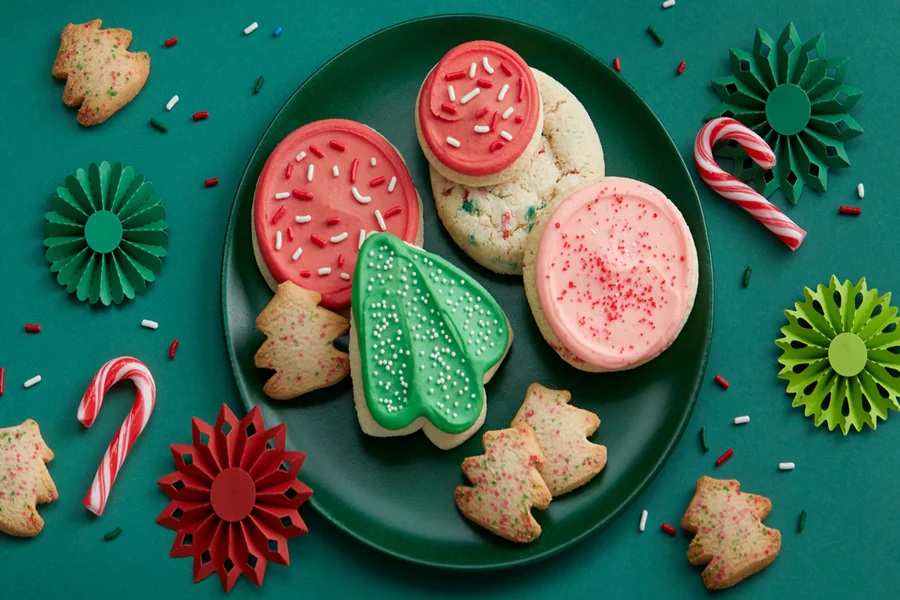
There’s something about Christmas cookies that no other gift quite matches. Maybe it’s the smell of cinnamon and ginger. Maybe it’s the memory of decorating them at the kitchen table with flour everywhere. Whatever it is, a tin of cookies at Christmas feels like home to a lot of people.
That’s probably why Christmas cookie gift baskets are still so popular, even in a world full of gadgets and gift cards. But how did cookies become such an important part of the holidays in the first place? The story goes back a lot further than you might think.
Spices, Sugar and Medieval Europe
In medieval Europe, spices like cinnamon, ginger, nutmeg and cloves were expensive luxuries. They came from distant trade routes and were saved for special occasions. Christmas, as one of the most important feasts of the year, was the perfect time to use them.
Bakers started making spiced honey cakes and biscuits, many of which kept well for weeks. That was useful in winter, when fresh food was scarce. Over time, these treats became closely linked with the holiday season.
Germany and Gingerbread
Germany has one of the richest Christmas baking traditions in the world. Lebkuchen, a soft spiced gingerbread, has been made in Nuremberg for centuries. Germans also bake Spekulatius, thin spiced biscuits pressed into wooden moulds, and Zimtsterne, star-shaped cinnamon cookies with a meringue topping.
Gingerbread houses also became popular in Germany, possibly inspired by fairy tales like Hansel and Gretel. You can read more about the long history of gingerbread and how it spread across Europe.
Scandinavia’s Thin Ginger Biscuits
In Sweden, pepparkakor are thin, crisp ginger biscuits often cut into hearts, stars and pigs. Many families make them together in December, and there’s a tradition of placing one in your palm, pressing it with your finger and making a wish. If it breaks into three pieces, the wish comes true.
Norway has its own list of traditional Christmas cookies, and many families aim to bake several different kinds every year.
Italy’s Biscotti and Amaretti
Italian Christmas cookies tend to be crunchier and nuttier. Biscotti with almonds, soft amaretti and honey-soaked struffoli (technically tiny fried dough balls) all appear on Italian tables in December. They’re often served with coffee or a sweet wine.
Cookies in America
When European immigrants arrived in America, they brought their recipes with them. Over time, these traditions mixed together and new ones appeared: sugar cookies with icing, chocolate chip cookies, peanut butter blossoms. Cookie swaps, where friends each bake a big batch and trade, became popular in the 20th century and are still going strong.
And of course, there’s the cookie left out for Santa on Christmas Eve, usually with a glass of milk.
Why Cookies Make Such Good Gifts
They feel homemade, even when they’re not
Cookies carry a sense of care. Even shop-bought cookies in a nice tin remind people of kitchens and family recipes.
They’re easy to share
A cookie basket rarely stays with one person. It gets passed around the office, shared with guests and opened during board games. That’s part of the fun.
They keep well
Most Christmas cookies are designed to last, which makes them a practical gift to send, even over long distances.
Choosing a Cookie Basket
- For nostalgia: classic butter cookies, shortbread and gingerbread
- For chocolate fans: double chocolate, chocolate chip and dipped biscuits
- For international flavour: a mix of biscotti, Lebkuchen and spiced cookies
- For dietary needs: gluten-free or vegan options are easy to find
Keeping the Tradition Going
Not everyone has time to bake twelve kinds of cookies in December. That’s fine. Whether you make them from your grandmother’s recipe or send a basket to someone far away, the idea is the same. You’re sharing something sweet, comforting and a little bit nostalgic at the time of year when people need it most.