Beyond the Classroom Walls: Why Co-Curricular Life Shapes Senior School Success

Looking Past Exams and Grades
Senior school is often described as a critical stage in a young person’s life. It is the period when academic expectations rise, university pathways begin to take shape, and students start thinking seriously about their future. Many educators highlight how senior school co-curricular activities at Brighton College (Singapore) help students develop leadership, teamwork, and personal interests beyond the classroom. In many schools, exam results and subject performance receive the most attention. While academic achievement is important, it is not the only factor that shapes a student’s growth.
Co-curricular activities play a major role in helping senior students develop into capable and confident individuals. These activities, which run alongside academic lessons, give students the chance to explore interests that may not fit neatly into a classroom timetable. Schools such as Brighton College recognise this balance and provide structured programmes that allow students to grow in different areas of life, not just in textbooks and tests.
In a world where young people face both academic pressure and social challenges, co-curricular involvement offers a practical way to build skills that matter beyond school.
What Co-Curricular Activities Really Mean
Co-curricular activities refer to structured programmes that support learning outside traditional academic lessons. These are not random hobbies or casual pastimes. They are organised parts of school life designed to complement what students learn in the classroom.
Activities can include sports teams, music ensembles, drama productions, debate clubs, service projects, and leadership groups. Unlike purely optional pastimes, co-curricular programmes often connect to the school’s broader educational goals. They are guided by teachers or coaches and follow clear objectives.
The structured nature of co-curricular involvement makes it different from free-time entertainment. Students commit to regular practice, rehearsals, meetings, or competitions. They learn to show up consistently and contribute to a team or project. This sense of responsibility mirrors real-world expectations and prepares them for future challenges.
By linking activities to the school’s values, co-curricular programmes become part of a wider plan for student development.
Supporting Personal Growth During the Senior Years
The senior years can be demanding. Students juggle academic deadlines, social expectations, and personal identity changes. Co-curricular activities offer space for growth that academics alone cannot provide.
Participation in sports supports physical health and teaches discipline. Training regularly builds stamina and mental resilience. Students learn to cope with both wins and losses, which helps them handle success and disappointment in other areas of life.
Arts-based activities such as music or drama encourage creativity and expression. These platforms allow students to share ideas and emotions in ways that formal essays cannot capture. Performing in front of an audience can build confidence that carries into presentations and interviews.
Clubs focused on debate or public speaking strengthen communication skills. Students learn to organise thoughts clearly and respond to opposing views respectfully. These abilities are useful not only in school but also in higher education and professional environments.
Through consistent involvement, students begin to understand their strengths and interests. This self-awareness supports better decision-making about future studies and career paths.
Improving Academic Outcomes Through Balance
Some parents worry that co-curricular commitments might distract students from their studies. However, experience and research suggest the opposite. Students who are actively involved often manage their time more effectively.
Balancing schoolwork with training sessions or rehearsals forces students to plan ahead. They learn to prioritise tasks and avoid procrastination. Time management becomes a practical skill rather than an abstract concept.
Engagement in structured activities can also improve focus. Physical activity reduces stress, which supports concentration during study time. Creative outlets provide mental breaks that prevent burnout.
When students feel connected to school life through activities they enjoy, their overall motivation increases. They are more likely to attend classes regularly and take pride in their achievements. This positive mindset can lead to stronger academic performance.
Co-curricular involvement does not replace academic effort. Instead, it strengthens the habits that support academic success.
Preparing Students for University and Employment
Universities and employers increasingly look beyond grades. They want individuals who can lead, collaborate, and adapt. Participation in co-curricular programmes provides evidence of these qualities.
A student who has captained a sports team understands teamwork and responsibility. Someone who has organised a school event has developed planning and leadership skills. Volunteering in community projects shows empathy and initiative.
These experiences give students real examples to discuss during university interviews or job applications. Rather than speaking in general terms, they can refer to specific situations where they solved problems or supported others.
Senior school is often the last stage before adulthood. The habits and skills formed during these years influence how students approach higher education and the workplace. Co-curricular activities provide a training ground where students practise independence within a supportive environment.
Learning Through Collaboration and Real-World Exposure
Many schools strengthen their co-curricular offerings through partnerships with external organisations. Collaborations with local sports clubs, art institutions, or community groups expand the range of experiences available to students.
For example, working with professional coaches can raise the standard of school sports programmes. Engaging with local charities during service projects introduces students to social issues beyond campus walls. These experiences connect classroom learning to real-world contexts.
When students interact with professionals or community leaders, they gain insight into possible career paths. Exposure to different industries can spark interests that influence subject choices or university applications.
Partnerships also show students that learning does not stop at the school gate. Education becomes something connected to the wider community.
Building Social Skills and Emotional Strength
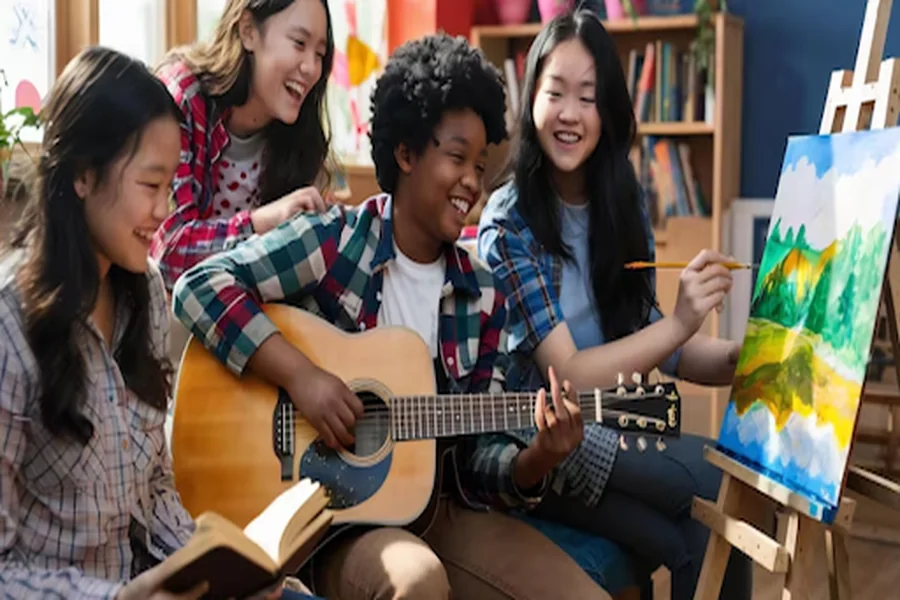
Senior school can be socially complex. Friendships shift, expectations grow, and students begin shaping their identities. Co-curricular activities provide structured spaces for positive interaction.
Working in teams teaches cooperation. Students learn to listen, share responsibilities, and resolve disagreements. These social skills are essential in adult life.
Emotional intelligence also develops through shared experiences. Handling competitive pressure, managing stage nerves, or supporting teammates during setbacks strengthens emotional control. Students become more aware of their own reactions and the feelings of others.
These abilities contribute to better relationships and healthier communication. In academic settings where stress can be high, having supportive peer groups through co-curricular involvement can make a significant difference.
Activities also offer an outlet for releasing tension. Physical exercise, artistic expression, or community engagement can reduce stress and improve overall wellbeing.
Addressing Challenges in Participation
While the benefits are clear, participation in co-curricular programmes can present challenges. Time management is one of the most common issues. Senior students already face demanding academic schedules. Adding regular activity commitments requires careful planning.
Schools must guide students in maintaining balance. Clear communication about expectations and realistic scheduling help prevent overload. Teachers and activity leaders should coordinate to ensure that students are not stretched beyond their capacity.
Access is another consideration. Some students may face financial or logistical barriers that limit participation. Schools have a responsibility to ensure programmes are inclusive. Offering financial support or transport arrangements can help widen access.
When schools address these challenges thoughtfully, co-curricular programmes remain sustainable and beneficial.
Creating a Culture That Values Holistic Development
For co-curricular activities to truly succeed, they must be valued as part of the school culture. When leadership supports these programmes and recognises student achievements beyond academics, participation increases.
Schools such as Brighton College demonstrate how structured co-curricular life can enhance the overall educational experience. By embedding these activities into the broader vision of student development, schools show that learning is not limited to exams.
Students begin to see that success comes in many forms. Academic results matter, but so do teamwork, creativity, and service. This broader definition of achievement helps reduce unhealthy competition and encourages collaboration.
Looking Ahead: The Long-Term Impact of Co-Curricular Involvement
The influence of co-curricular activities does not end at graduation. Former students often reflect on school sports teams, performances, or leadership roles as some of their most meaningful experiences.
These memories are tied to growth. They represent moments when students stepped outside their comfort zones, faced challenges, and developed confidence. The habits formed through regular commitment continue to shape adult life.
As society changes and expectations evolve, the need for adaptable and emotionally aware individuals grows stronger. Co-curricular programmes prepare students for this reality by teaching practical life skills in real situations.
Senior schools that invest in diverse and inclusive co-curricular offerings provide more than entertainment. They create environments where students can discover strengths, build resilience, and form lasting connections.
In the end, education is not only about what students know. It is about who they become. Co-curricular activities play a central role in shaping that journey, ensuring that young people leave school not only with certificates but with the confidence and skills to navigate the world ahead.