Why Regular Dental Checkups Matter for Kids in Gonzales, TX
That first glimpse of your toddler’s new teeth brings excitement — followed quickly by the realization that you’re now responsible for protecting something that needs to last a lifetime. According to the American Academy of Pediatric Dentistry’s 2024 guidelines, children should have their first dental visit by age one or within six months of their first tooth appearing, yet many families wait until problems develop. As pediatric dentistry increasingly emphasizes prevention over treatment, the decisions parents make about early dental care create ripple effects that extend well into their child’s teenage years and beyond.
The challenge facing families in communities like Gonzales isn’t just knowing when to start — it’s understanding how to make that first experience positive enough that children develop healthy relationships with dental care rather than lifelong anxiety. Exploring options for dental care for kids can help parents find the right approach and environment for their child. Research consistently shows that children who have positive early dental experiences are more likely to maintain regular checkups throughout their lives, while those who develop dental fear often avoid care until emergencies force their hand.
For parents navigating this milestone, the preparation extends beyond scheduling an appointment. The way you introduce your child to dental care, the provider you choose, and how you handle their natural apprehensions all shape whether that first visit becomes the foundation for a lifetime of good oral health or the beginning of dental avoidance. Understanding what actually happens during these early visits — and why timing matters so much — gives parents the confidence to make decisions that serve their child’s long-term wellbeing.
The Importance of Early Dental Checkups for Kids
The permanent teeth forming beneath your child’s gums right now will need to function for the next 70-80 years, and their foundation is being set during these early childhood years. While baby teeth eventually fall out, they serve as placeholders that guide permanent teeth into proper position. When decay or early loss disrupts this process, the cascading effects can include crowding, bite problems, and the need for extensive orthodontic work later.
Consider a three-year-old whose back molars develop cavities that go undetected for months. The infection doesn’t stay localized — it can spread to the developing permanent tooth underneath, potentially causing defects in the enamel before that tooth ever emerges. Early dental visits catch these problems when they’re still manageable, often preventing the need for more invasive treatments down the road.
The American Dental Association’s 2024 research indicates that children who receive preventive care starting before age two have significantly lower rates of serious dental problems throughout childhood. This isn’t just about cavities — early visits allow dentists to monitor jaw development, identify potential orthodontic issues, and catch habits like thumb sucking or tongue thrusting that can affect tooth alignment if left uncorrected.
Perhaps most critically, these early visits establish the baseline for your child’s oral health. Pediatric dentists track growth patterns, enamel development, and bite formation over time. Without this historical record, problems that develop gradually might not be noticed until they require major intervention. The child whose slightly crooked bite gets monitored and addressed at age five avoids the teenager who needs surgical correction because the problem went undetected for years.
Beyond the clinical benefits, early checkups normalize dental care as routine healthcare rather than something that happens only when problems arise. Children who grow up with regular dental visits learn to view their dentist as part of their healthcare team, not someone to fear. This psychological foundation proves invaluable when they need more complex procedures later or when they’re making independent decisions about their oral health as adults.
How to Prepare Your Child and Yourself for the First Dental Visit
The week before your child’s first appointment, start weaving dental visit language into everyday conversations without making it feel like a big event that requires worry. Read books about visiting the dentist, but choose ones that focus on the routine nature of checkups rather than dramatic stories about “fixing” teeth. Your child should understand that this visit is about keeping their teeth healthy, not repairing something that’s broken.
Practice opening wide at home during toothbrushing time, making it a game rather than a drill. Pediatric dentists need to see all the teeth, and children who are comfortable with mouth examination have much smoother visits. Count teeth together in the mirror, let your child watch you brush your own teeth, and demonstrate how to rinse and spit. These familiar activities become bridges to the dental office experience.
Your own anxiety requires as much attention as your child’s preparation. Children pick up on parental stress with remarkable accuracy, and your nervous energy can create fear where none existed before. If you have dental anxiety yourself, avoid sharing those feelings or using phrases like “it won’t hurt” or “there’s nothing to be scared of” — statements that inadvertently introduce the concepts of pain and fear. Instead, frame the visit in positive, routine terms: “We’re going to meet the dentist who helps keep your teeth strong and healthy.”
Schedule the appointment for a time when your child is typically well-rested and cooperative. Morning appointments often work better for toddlers and preschoolers who may become cranky later in the day. Bring a comfort item if needed, but prepare your child that they might need to set it down during parts of the examination. The goal is independence with support, not dependence on comfort objects for basic healthcare.
Plan to arrive 10-15 minutes early so you’re not rushing, but not so early that your child gets restless waiting. Pediatric dental offices are typically designed with children in mind, with toys and activities in the waiting area. This gives your child time to observe other children having positive experiences and to see that the environment is welcoming rather than clinical or intimidating.
What to Expect During a Child’s First Dental Visit
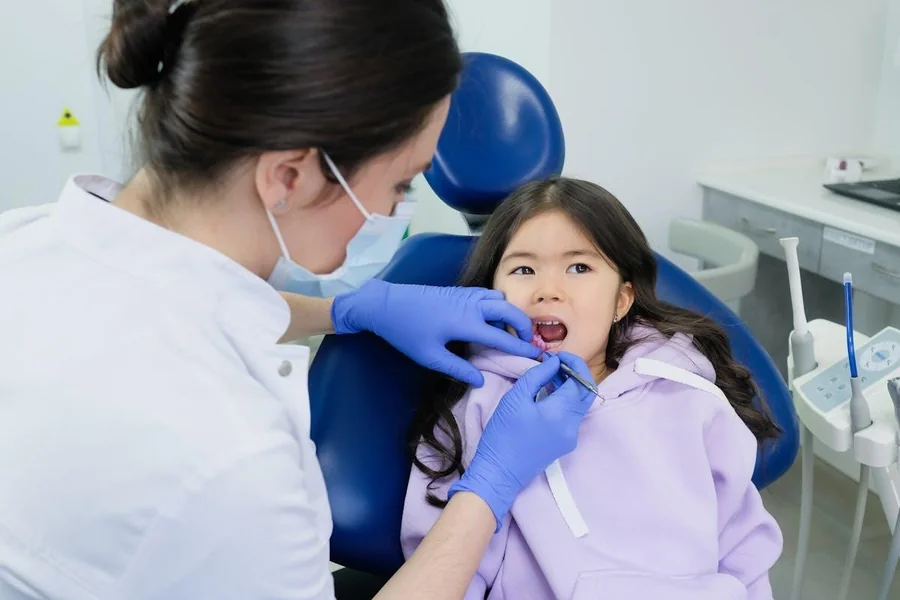
Unlike adult dental appointments that often jump straight into examination and cleaning, pediatric first visits prioritize relationship-building and gradual introduction to dental procedures. The dental team typically spends the first few minutes letting your child explore the chair, see the overhead light, and maybe even hold some of the instruments that will be used during the exam.
Most pediatric dentists use a “tell-show-do” approach, explaining what they’re about to do in child-friendly language, demonstrating it (often on a stuffed animal or puppet first), and then performing the procedure. This method helps children feel informed and involved rather than passive recipients of mysterious medical procedures. The dentist might count teeth, check how they fit together, and look for any signs of decay or developmental concerns.
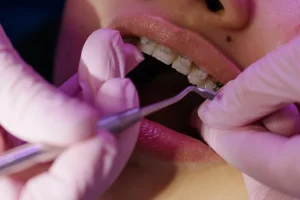
The actual examination involves visual inspection of all visible teeth, gums, and oral tissues. For very young children, this might be done in a “knee-to-knee” position where you face the dentist with your child lying across both your laps. This position provides stability and comfort while giving the dentist optimal access and lighting. Older toddlers and preschoolers typically sit in the dental chair, often with a parent close by.
Professional cleaning during first visits varies significantly based on the child’s age and cooperation level. Some children receive gentle polishing with flavored paste, while others might just have plaque gently brushed away with a soft toothbrush. X-rays are rarely necessary for first visits unless there are specific concerns, and when they are needed, digital X-rays require much shorter exposure times than traditional film.
The dentist will also assess your child’s oral development, looking at how permanent teeth are developing beneath the gums, whether there’s adequate space for incoming teeth, and if any early intervention might be beneficial. This developmental assessment is crucial for dental care for kids in communities like Gonzales, where establishing ongoing relationships with pediatric specialists can prevent more complex problems later.
The visit typically concludes with fluoride application if appropriate for your child’s age and risk level, plus discussion of home care recommendations tailored to your child’s specific needs and developmental stage. Rather than generic advice, you’ll receive guidance based on what the dentist observed about your child’s teeth, gums, and oral habits.
Strategies to Reduce Stress and Manage Dental Anxiety in Children
Recognizing the early signs of dental anxiety helps you address concerns before they escalate into full-blown fear. Children might express worry through questions about pain, reluctance to open their mouth during toothbrushing at home, or general anxiety about the upcoming appointment. Some children don’t verbalize concerns but show stress through changes in sleep patterns, increased clinginess, or regression in other areas of development.
Distraction techniques work particularly well for children during dental procedures, but the key is matching the distraction to your child’s developmental stage and interests. Pediatric dental offices often have ceiling-mounted televisions, music, or interactive displays, but bringing familiar comfort can be even more effective. Some children respond well to counting games, storytelling, or simple breathing exercises that give them something active to do during the examination.
Positive reinforcement should focus on cooperation and bravery rather than the absence of pain or fear. Praising a child for “sitting still and helping the dentist see your teeth” works better than “being brave” or “not crying,” which can inadvertently shame children for having normal emotional responses. The goal is building confidence in their ability to participate in their own healthcare, not suppressing natural feelings about new experiences.
For children who are particularly sensitive or have had negative medical experiences, gradual exposure can be incredibly helpful. Some pediatric practices offer “happy visits” where children can tour the office, sit in the chair, and meet the staff without any procedures taking place. This low-pressure introduction allows anxious children to familiarize themselves with the environment and people before their actual appointment.
Communication between parents and dental staff is crucial for managing anxiety effectively. Share relevant information about your child’s temperament, previous medical experiences, and what comfort strategies work at home. Pediatric dental teams are trained in anxiety management techniques, but they work best when tailored to your individual child’s needs and triggers. The more information they have, the better they can adapt their approach.
Remember that some degree of nervousness is completely normal and doesn’t indicate future dental phobia. Many children who are initially hesitant become comfortable with dental visits once they understand the routine and develop trust with their dental team. The key is maintaining patience and consistency while building positive associations with dental care rather than avoiding it due to temporary discomfort.
Choosing the Right Dental Provider and Local Considerations in Gonzales, TX
Finding the right pediatric dental practice in Gonzales involves balancing specialized expertise with practical considerations like location, scheduling flexibility, and insurance acceptance. Pediatric dentists complete additional training specifically focused on child psychology, behavior management, and the unique developmental needs of growing teeth and jaws. This specialized training often translates to more effective anxiety management and age-appropriate treatment approaches than general family practices.
Location matters more than many families initially realize, particularly for establishing consistent care patterns. A practice that’s convenient to your home, school, or work makes it easier to maintain regular checkups and handle urgent situations without major disruption. In Gonzales, where families might have ties to both local providers and specialists in nearby larger cities, consider how travel time affects your likelihood of keeping routine appointments versus only seeking care for emergencies.
The office environment provides immediate insight into how well a practice serves children. Child-friendly waiting areas, appropriately sized equipment, and staff who interact comfortably with children at their developmental level all indicate practices that prioritize pediatric patients. During your initial visit, observe how staff members communicate with your child — do they get down to eye level, use language appropriate for your child’s age, and demonstrate patience with typical childhood behaviors?
Insurance considerations extend beyond simple coverage verification. Understanding what preventive services are covered, how frequently cleanings and checkups are allowed, and what authorization processes exist for treatments like sealants or fluoride applications helps you plan for both routine and unexpected dental needs. Some practices offer payment plans or sliding scale fees for families without comprehensive dental coverage.
Building a relationship with a practice that can grow with your child offers significant advantages over switching providers as needs change. Pediatric dental practices typically serve children from infancy through the teenage years, providing continuity of care that allows for better monitoring of development and more effective treatment planning. The dentist who knows your child’s dental history and growth patterns can make more informed recommendations than providers seeing your child for the first time during urgent situations.