How Can Stress Cause Hair Loss and How to Combat It Effectively
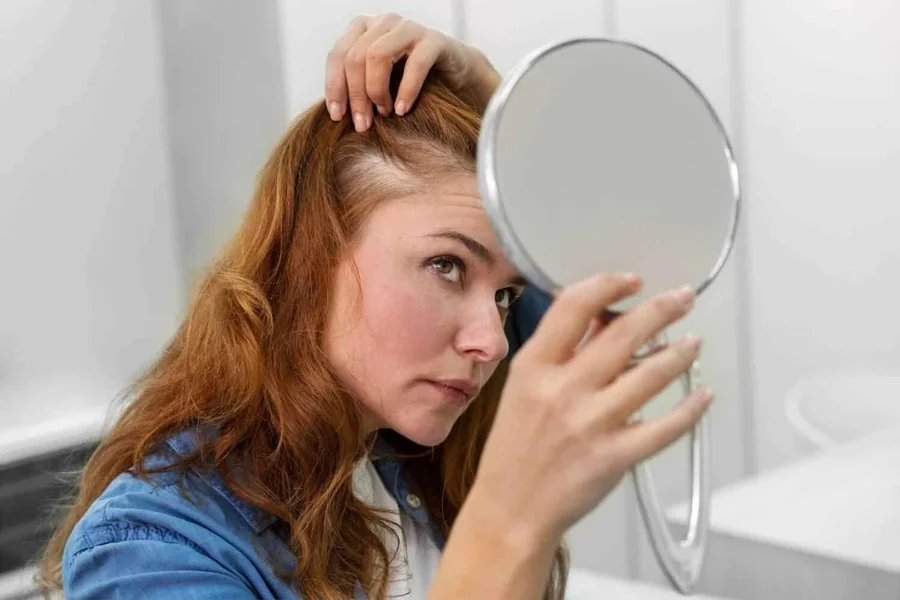
Running your fingers through your hair and finding clumps between them can be alarming. Stress affects millions of people every day, and many don’t realize it can directly impact their hair growth. Stress disrupts the normal hair growth cycle by pushing hair follicles into a resting phase, which leads to excessive shedding weeks or months after the stressful event occurs. The good news is that this type of hair loss is often temporary and reversible.
Understanding the connection between stress and hair loss starts with knowing how the body responds to physical and emotional pressure. The body prioritizes essential functions during stressful periods, which can leave hair follicles without the resources they need to grow properly. People often lose about 100 hairs per day under normal circumstances, but stress can push that number much higher. Hair loss typically appears several weeks after the stressful event, making it hard to connect the two at first.
The path to recovery involves both managing stress levels and supporting hair follicles with proper care. Solutions range from stress reduction techniques to targeted hair care products like natural root activator shampoo, nourishing natural oils, or balms that help stimulate follicles. Hair can grow back once the stress is under control and the growth cycle returns to normal. Most people see improvement within a few months after they address the root causes and provide their hair with the right support.
Understanding How Stress Causes Hair Loss
Stress affects the hair growth cycle through hormone disruptions and can manifest in several distinct patterns of hair loss. The body’s stress response triggers a cascade of hormonal changes that directly interfere with hair follicle function and growth phases.
Types of Stress-Related Hair Loss
Telogen effluvium represents the most common form of stress-related hair loss. This condition occurs after a period of significant physical or emotional stress, which pushes large numbers of hair follicles into the resting phase of the growth cycle. Hair begins to fall out approximately two to three months after the stressful event.
People typically notice increased shedding while showering or brushing their hair. The hair loss appears diffuse across the entire scalp rather than in specific patches. For most individuals, this type of shedding reverses itself once stress levels decrease.
Alopecia areata presents as another stress-triggered condition, though it involves an autoimmune response. Stress can activate or worsen this condition, which causes the immune system to attack hair follicles. This results in round patches of complete hair loss on the scalp or other areas of the body.
Trichotillomania, a hair-pulling disorder, often intensifies during periods of high stress. People with this condition feel compelled to pull out their own hair as a coping mechanism. The behavior can become habitual and lead to noticeable bald spots.
Impact of Stress Hormones on Hair Follicles
Cortisol, the primary stress hormone, plays a central role in stress-induced hair loss. High cortisol levels disrupt the normal hair growth cycle by deactivating hair follicle stem cells. These stem cells are necessary for hair regeneration and growth.
Research shows that chronic stress keeps cortisol levels elevated for extended periods. This prolonged elevation prevents hair follicles from entering the active growth phase. Instead, more follicles shift into the shedding phase.
The stress response also affects blood flow to the scalp. Reduced circulation limits the delivery of nutrients and oxygen to hair follicles. This deprivation weakens the hair shaft and slows down growth rates.
Stress hormones can increase inflammation throughout the body, including at the scalp level. This inflammation damages hair follicles and disrupts their ability to produce healthy hair strands. The combination of these factors explains why stress creates such a powerful effect on hair health.
Distinguishing Stress-Induced Hair Loss from Other Causes
Stress-related hair loss typically follows a clear timeline. Hair shedding begins weeks to months after a major stressful event or period. This delay helps differentiate it from other types of hair loss that have different onset patterns.
The pattern of hair loss provides important clues. Stress-induced shedding affects the entire scalp evenly, while genetic hair loss usually starts at the temples or crown. Stress-related loss rarely creates completely bald patches unless alopecia areata is involved.
Medical conditions like thyroid disorders, nutritional deficiencies, and hormonal imbalances can also cause hair loss. These conditions often come with additional symptoms such as fatigue, weight changes, or skin problems. A healthcare provider can run blood tests to rule out these underlying issues.
The reversibility of hair loss offers another distinguishing factor. Hair lost due to stress generally grows back once stress levels normalize. However, genetic pattern baldness is progressive and permanent without treatment.
Effective Strategies to Combat Stress-Related Hair Loss
Managing stress-related hair loss requires a three-part approach that addresses stress levels, provides proper nutrition, and seeks expert help if needed. These methods work together to restore the normal hair growth cycle and reduce excess shedding.
Lifestyle Changes for Stress Reduction
Stress management forms the foundation of stopping hair loss caused by tension and anxiety. The body needs consistent stress relief to shift hair follicles back to their normal growth phase.
Regular exercise provides one of the most effective ways to lower cortisol levels. Just 30 minutes of moderate activity five times per week can make a real difference. This includes walks, bike rides, or swim sessions.
Sleep plays a major role in stress recovery. Adults should aim for seven to nine hours each night. Poor sleep disrupts hormone balance and makes stress worse, which leads to more hair shedding.
Relaxation techniques help calm the nervous system:
- Deep breathing exercises for 10 minutes daily
- Meditation or mindfulness practice
- Yoga or gentle stretching
- Progressive muscle relaxation
- Time spent in nature
These practices lower stress hormones and create better conditions for hair follicles to function properly. Most people notice less hair fall within a few weeks of consistent stress management.
Dietary Adjustments to Support Hair Health
Proper nutrition gives hair follicles the building blocks they need to grow strong, healthy strands. Stress often depletes key nutrients that hair requires.
Protein serves as the main component of hair structure. People should eat lean meats, fish, eggs, beans, or tofu at each meal. Hair follicles need steady protein intake to produce new growth.
Essential nutrients for hair health include:
- Iron: Found in red meat, spinach, and lentils
- Biotin: Present in eggs, nuts, and sweet potatoes
- Vitamin D: Available through sunlight, fatty fish, and fortified foods
- Omega-3 fatty acids: Found in salmon, walnuts, and flaxseeds
- Zinc: Present in oysters, beef, and pumpkin seeds
B vitamins also support hair growth. Whole grains, leafy greens, and avocados provide these nutrients naturally. Staying hydrated matters too, as water helps transport nutrients to hair follicles.
Stress can increase the body’s need for certain vitamins and minerals. A balanced diet that includes colorful fruits and vegetables helps meet these increased demands.
Medical Treatments and Professional Guidance
Sometimes lifestyle changes alone don’t stop hair loss. Professional help can identify underlying issues and provide targeted solutions.
A doctor can run blood tests to check for deficiencies or hormonal imbalances that contribute to hair loss. These tests often reveal problems like low iron, thyroid issues, or vitamin deficiencies. Correcting these issues helps hair grow back faster.
Dermatologists specialize in hair and scalp health. They can diagnose the specific type of hair loss and rule out conditions beyond stress-related shedding. This diagnosis matters because different types of hair loss need different treatments.
Medical options may include:
- Topical treatments that stimulate hair follicles
- Prescription medications to support regrowth
- Low-level laser therapy
- Platelet-rich plasma injections
- Advanced clinical therapies, such as microneedling for hairloss in Melbourne, to stimulate collagen and hair follicle renewal.
Mental health professionals can help address chronic stress at its source. Therapists provide tools to manage anxiety, depression, or trauma that may trigger hair loss. They might suggest cognitive behavioral therapy or other proven methods.
Hair typically grows back on its own once stress levels drop. However, this process takes time because hair grows slowly. Professional guidance can speed up recovery and prevent future episodes of stress-related shedding.
Conclusion
Stress can trigger hair loss through several biological pathways, but this condition is often temporary and reversible. The key to recovery lies in active stress management through exercise, proper sleep, and relaxation techniques. A balanced diet rich in proteins, vitamins, and minerals supports hair regrowth during the recovery phase.