The Role of Physiotherapy in Preventing Muscle Re-Injuries
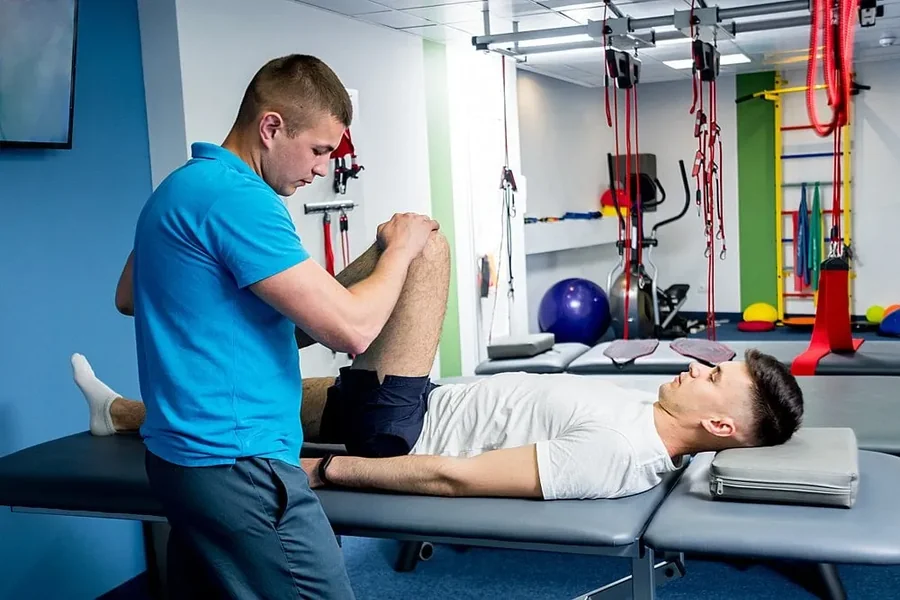
Muscle injuries are common among athletes, fitness enthusiasts, and even individuals with sedentary lifestyles. While initial recovery is important, preventing muscle re-injuries is just as critical. Many people experience recurring muscle strains or tears due to incomplete rehabilitation or a premature return to normal activities. Physiotherapy plays a vital role in ensuring proper healing and reducing the risk of re-injury.
Why Muscle Re-Injuries Occur
Muscle re-injuries often happen when the affected area has not fully regained strength, flexibility, or coordination. Scar tissue formation, muscle imbalances, poor posture, and incorrect movement patterns can all increase vulnerability. Without professional guidance, these issues may go unnoticed, leading to repeated injuries and prolonged discomfort.
How Physiotherapy Prevents Muscle Re-Injuries
Physiotherapy focuses on addressing the root causes of muscle injuries rather than just relieving symptoms. A structured physiotherapy for muscle injury program includes thorough assessment, targeted exercises, and gradual progression to restore full function.
Physiotherapists analyze muscle strength, joint mobility, posture, and movement mechanics to design a personalized rehabilitation plan. This comprehensive approach helps ensure that the muscle heals correctly and is capable of handling everyday and physical demands safely.
Strength Restoration and Muscle Conditioning
One of the primary goals of physiotherapy is rebuilding muscle strength after an injury. Weak or imbalanced muscles are more prone to re-injury. Through controlled resistance exercises and functional training, physiotherapy helps restore strength evenly across muscle groups, improving overall stability and performance.
Improving Flexibility and Tissue Healing
After a muscle injury, stiffness and reduced flexibility are common. Physiotherapy incorporates stretching techniques, soft tissue mobilization, and mobility exercises to improve elasticity and prevent excessive strain on the healing muscle. Proper flexibility allows muscles to move efficiently, reducing stress during physical activity.
Correcting Movement Patterns and Posture
Faulty movement patterns and poor posture often contribute to recurring muscle injuries. Physiotherapists assess how the body moves during daily activities, exercise, and work-related tasks. By correcting these patterns, patients learn safer ways to move, lift, and perform activities without placing unnecessary stress on vulnerable muscles.
Gradual Return to Activity and Sports
Returning to work, exercise, or sports too quickly is a major cause of muscle re-injury. Physiotherapy emphasizes a phased return-to-activity approach, ensuring the muscle can tolerate increasing loads over time. This gradual progression builds confidence and reduces the risk of setbacks.
Long-Term Injury Prevention Strategies
Beyond recovery, physiotherapy equips individuals with long-term injury prevention strategies. These include home exercise programs, ergonomic advice, warm-up routines, and lifestyle modifications. Consistent preventive care helps maintain muscle health and prevents future injuries.
Choosing the Right Physiotherapy Clinic
The effectiveness of rehabilitation largely depends on the quality of care provided. Selecting the best physiotherapy clinic in Abu Dhabi ensures access to experienced professionals, advanced treatment techniques, and personalized rehabilitation programs. Expert care significantly improves recovery outcomes and minimizes the risk of muscle re-injury.
Conclusion
Physiotherapy plays a crucial role in preventing muscle re-injuries by restoring strength, improving flexibility, correcting movement patterns, and guiding a safe return to activity. Proper rehabilitation not only supports complete recovery but also promotes long-term muscle health and resilience. Seeking timely and professional physiotherapy care can make all the difference in staying active, pain-free, and injury-free.