How Spondylolisthesis Progresses from Grade 1 to Grade 4: What Patients Need to Know
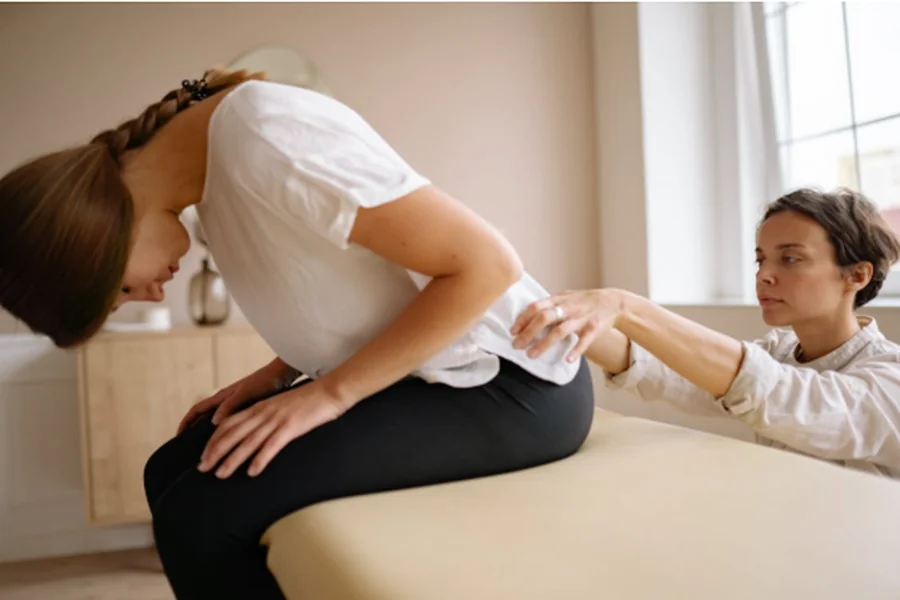
Spondylolisthesis is a spinal condition where one vertebra slips forward over the vertebra below it. Understanding how this condition progresses through different grades can help patients make informed decisions about their treatment and lifestyle modifications. This article explores the progression from Grade 1 to Grade 4, what each stage means, and what patients should know about managing their condition.
The Spondylolisthesis Grading System
The Meyerding classification system is the most widely used method for grading spondylolisthesis. This system divides the superior endplate of the lower vertebra into four quarters and determines the grade based on how far the upper vertebra has slipped forward:
- Grade 1: Less than 25% slip
- Grade 2: 25% to 50% slip
- Grade 3: 50% to 75% slip
- Grade 4: 75% to 100% slip
A Grade 5, also called spondyloptosis, occurs when the vertebra completely slides off the one below it, though this is relatively rare.
Grade 1 Spondylolisthesis: The Early Stage
Grade 1 represents the mildest form of vertebral slippage. At this stage, many patients may not experience any symptoms at all, and the condition is often discovered incidentally during imaging studies for other issues. When symptoms do occur, they typically include mild lower back pain, occasional stiffness, and discomfort after prolonged standing or physical activity. Some patients report a feeling of instability in their lower back or tightness in their hamstring muscles.
The good news is that patients at this stage often respond well to conservative grade 1 spondylolisthesis treatment. Physical therapy focusing on core strengthening, flexibility exercises, and postural training can be highly effective. Many patients find that lifestyle modifications, such as avoiding high-impact activities and maintaining a healthy weight, help manage their symptoms successfully.
Having Grade 1 spondylolisthesis doesn’t necessarily mean progression is inevitable. With proper management and monitoring, many patients remain at this grade for years or even their entire lives.
Grade 2 Spondylolisthesis: Moderate Progression
Grade 2 indicates a more significant slip, and symptoms typically become more noticeable and frequent. Patients at this stage often experience more persistent back pain, increased muscle tightness, and may begin to notice neurological symptoms if nerve roots become compressed. Leg pain, numbness, or tingling may also develop as the slipped vertebra narrows the spinal canal or compresses nerve roots. This radiating pain, known as radiculopathy, can extend from the buttocks down the back of the leg, following the path of the affected nerve.
Conservative treatment remains the first line of approach for Grade 2. However, treatment may need to be more intensive and may include anti-inflammatory medications, epidural steroid injections, and more structured physical therapy programs. Patients may need to make more significant lifestyle adjustments, such as modifying work activities or avoiding certain sports and exercises that place excessive stress on the spine. Regular monitoring through imaging studies becomes more important at this stage to track any progression and adjust treatment plans accordingly.

Grade 3 Spondylolisthesis: Severe Slippage
Grade 3 represents severe vertebral slippage and is often accompanied by significant symptoms that impact daily life. The increased slip creates more pronounced spinal instability and a higher likelihood of nerve compression. Patients at this grade frequently experience chronic, severe back pain that may not respond well to conservative treatments. Neurological symptoms become more common and potentially more severe, including weakness in the legs, difficulty walking, and in some cases, problems with bladder or bowel function.
The posture may visibly change at this stage. Some patients develop a noticeable change in their gait or a visible step-off in the spine that can sometimes be felt or seen. The torso may appear shortened, and patients might notice they’re losing height.
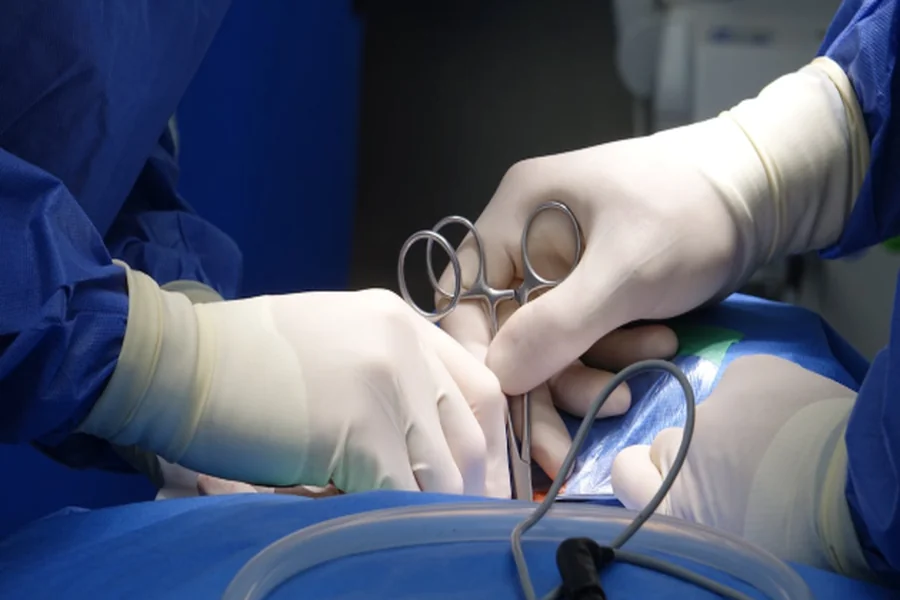
While conservative treatment can still provide some symptom relief, Grade 3 spondylolisthesis often requires surgical intervention. Spinal fusion surgery, which permanently connects the affected vertebrae to prevent further slippage and stabilize the spine, is commonly recommended when conservative treatments fail to provide adequate relief or when neurological function is threatened.
Grade 4 Spondylolisthesis: Critical Progression
Grade 4 is the most severe classification before complete vertebral displacement. At this stage, the upper vertebra has slipped forward by 75% to 100%, creating significant spinal instability and almost always causing substantial symptoms. Patients with Grade 4 spondylolisthesis typically experience severe, debilitating pain that significantly limits their ability to perform daily activities. Neurological complications are common and may include profound weakness, numbness, and, in serious cases, cauda equina syndrome, a medical emergency requiring immediate surgical intervention.
The deformity is usually visible, with a pronounced change in spinal alignment and body posture. Patients may have difficulty standing upright and may walk with a characteristic posture where the torso leans forward. Surgery is almost always necessary for Grade 4 spondylolisthesis. The procedures are often more complex than those for earlier grades and may involve not only fusion but also decompression of compressed nerves and correction of spinal alignment.
Factors That Influence Progression
Not everyone with spondylolisthesis will progress through all grades, and several factors influence whether and how quickly the condition advances. Primarily, age plays a significant role, with progression more likely during growth spurts in adolescents and sometimes during aging when degenerative changes accelerate. The type of spondylolisthesis also matters, as isthmic and dysplastic types may progress more than degenerative types. Additionally, activity level, body weight, genetics, and adherence to treatment recommendations all affect progression rates.
The Importance of Monitoring and Early Intervention
Regular follow-up with healthcare providers is essential for anyone diagnosed with spondylolisthesis, regardless of grade. Periodic imaging studies help track any progression, allowing for timely adjustments to treatment plans. Meanwhile, early intervention with conservative treatments, when appropriate, can often prevent or slow progression. Maintaining strong core muscles, good flexibility, and proper posture provides essential support to the spine and reduces stress on the affected area.
Conclusion
Understanding how spondylolisthesis progresses from Grade 1 to Grade 4 empowers patients to take an active role in managing their condition. While progression isn’t inevitable, awareness of the warning signs and commitment to appropriate treatment and lifestyle modifications can make a significant difference in outcomes. Whether you’re dealing with mild Grade 1 slippage or more advanced stages, working closely with your healthcare team to develop and follow a comprehensive treatment plan is key to maintaining the best possible quality of life.