How Technology Is Transforming Healthcare Systems
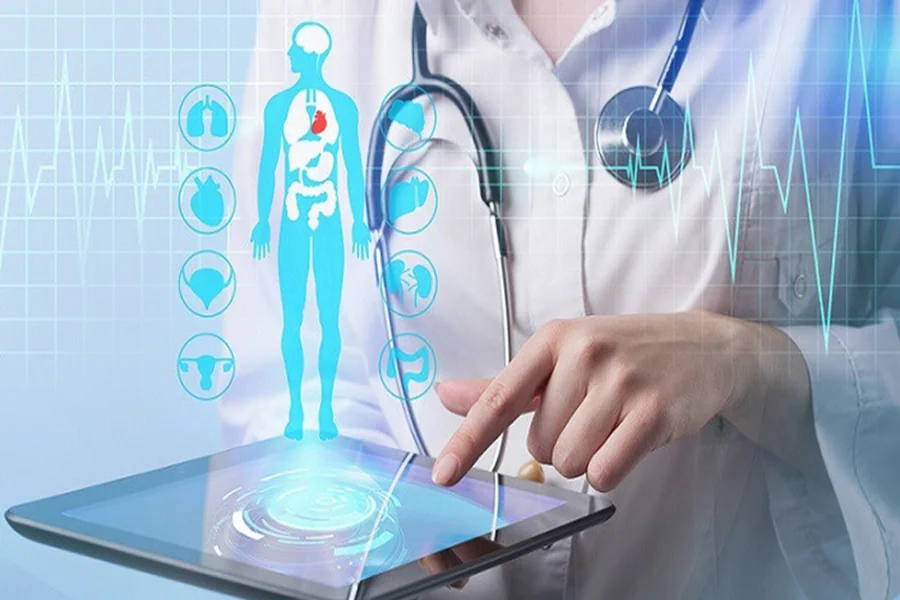
The Digital Shift in Modern Healthcare
Healthcare has always been a critical part of human life, but in recent years, it has undergone a remarkable transformation. The integration of technology into healthcare systems is no longer optional—it is essential. From hospitals in major cities to small clinics in rural areas, digital tools are reshaping how care is delivered, managed, and experienced.
One of the most visible changes is the move from paper-based records to digital systems. Electronic health records (EHRs) allow doctors and medical staff to access patient information instantly, reducing errors and improving coordination. This shift not only saves time but also ensures that patients receive more accurate and timely treatment.
At the same time, healthcare providers are embracing data-driven decision-making. With the help of analytics and real-time monitoring, doctors can detect patterns, predict potential health risks, and personalize treatment plans. This digital evolution is laying the foundation for a smarter, more responsive healthcare system.
Telemedicine and Remote Care Are Changing Access
Access to healthcare has long been a challenge, especially for people living in remote or underserved areas. Technology is helping bridge that gap through telemedicine and remote care solutions.
Telemedicine allows patients to consult with doctors through video calls, mobile apps, or online platforms. This eliminates the need for long travel times and reduces waiting periods. For many people, especially those with mobility issues or busy schedules, this convenience is life-changing.
In addition to consultations, remote monitoring devices are becoming more common. Patients with chronic conditions such as diabetes or heart disease can use wearable devices to track their health in real time. These devices send data directly to healthcare providers, enabling early intervention if something goes wrong.
Many platforms and services featured on techpora highlight how telehealth is becoming a core part of modern healthcare. As internet connectivity continues to improve globally, remote care will likely become even more widespread and effective.
Artificial Intelligence Is Enhancing Diagnosis and Treatment
Artificial intelligence (AI) is one of the most powerful forces behind the transformation of healthcare systems. By analyzing large volumes of data quickly and accurately, AI can assist doctors in making better decisions.
For example, AI-powered tools can analyze medical images such as X-rays, MRIs, and CT scans to detect abnormalities that might be missed by the human eye. This leads to earlier diagnoses and more effective treatment plans. In some cases, AI systems can even predict diseases before symptoms appear, giving patients a critical advantage.
AI is also improving treatment outcomes by enabling personalized medicine. Instead of using a one-size-fits-all approach, doctors can tailor treatments based on a patient’s genetic makeup, lifestyle, and medical history. This results in more effective care with fewer side effects.
While AI will not replace healthcare professionals, it acts as a powerful assistant that enhances their capabilities. The combination of human expertise and machine intelligence is creating a new standard of care.
Wearable Technology and Preventive Healthcare
Another important aspect of how technology is transforming healthcare systems is the rise of wearable devices. These gadgets are changing the focus of healthcare from treatment to prevention.
Wearable devices such as fitness trackers and smartwatches can monitor heart rate, sleep patterns, physical activity, and even blood oxygen levels. This constant stream of data allows individuals to take control of their health and make informed decisions about their lifestyle.
For healthcare providers, this data is equally valuable. It provides insights into a patient’s daily habits and overall health, enabling early detection of potential issues. Preventive care reduces the need for expensive treatments and hospital visits, making healthcare more sustainable in the long run.
As wearable technology continues to evolve, it is expected to play an even bigger role in managing chronic diseases and promoting overall well-being.
Robotics and Automation in Healthcare Facilities
Hospitals and healthcare facilities are increasingly using robotics and automation to improve efficiency and accuracy. These technologies are helping reduce the workload on medical staff while ensuring higher standards of care.
Robotic systems are now used in surgeries, where precision is critical. Surgeons can perform complex procedures with greater accuracy and minimal invasiveness, leading to faster recovery times for patients. In addition, robots are being used for tasks such as delivering medications, disinfecting rooms, and assisting in patient care.
Automation is also streamlining administrative processes. Tasks such as scheduling appointments, managing billing, and processing insurance claims can now be handled more efficiently using software systems. This reduces errors and allows healthcare professionals to focus more on patient care.
By improving both clinical and administrative operations, robotics and automation are making healthcare systems more efficient and reliable.
Data Security and Challenges in Digital Healthcare
While technology brings numerous benefits, it also introduces new challenges, particularly in terms of data security and privacy. Healthcare systems handle sensitive patient information, making them a prime target for cyberattacks.
Ensuring the security of digital health records is a top priority for healthcare providers. Advanced encryption, secure networks, and strict access controls are essential to protect patient data. However, as technology evolves, so do the methods used by cybercriminals, making this an ongoing challenge.
Another concern is the digital divide. Not everyone has equal access to technology or the internet, which can create disparities in healthcare access. Addressing these gaps is crucial to ensure that technological advancements benefit everyone, not just a select group.
Despite these challenges, the overall impact of technology on healthcare remains overwhelmingly positive. With the right safeguards and policies in place, these issues can be managed effectively.
Final Thought
How technology is transforming healthcare systems is not just about innovation—it is about improving lives. From faster diagnoses and better treatments to increased accessibility and efficiency, technology is reshaping every aspect of healthcare.
The future of healthcare will likely be even more interconnected, with advancements in AI, wearable devices, and digital platforms continuing to push boundaries. Patients will have more control over their health, and healthcare providers will have better tools to deliver high-quality care.
As this transformation continues, the focus should remain on balancing innovation with accessibility and security. When used responsibly, technology has the power to create a healthcare system that is not only more advanced but also more human-centered.