The Overlooked Reason Some Wounds Take So Long to Heal
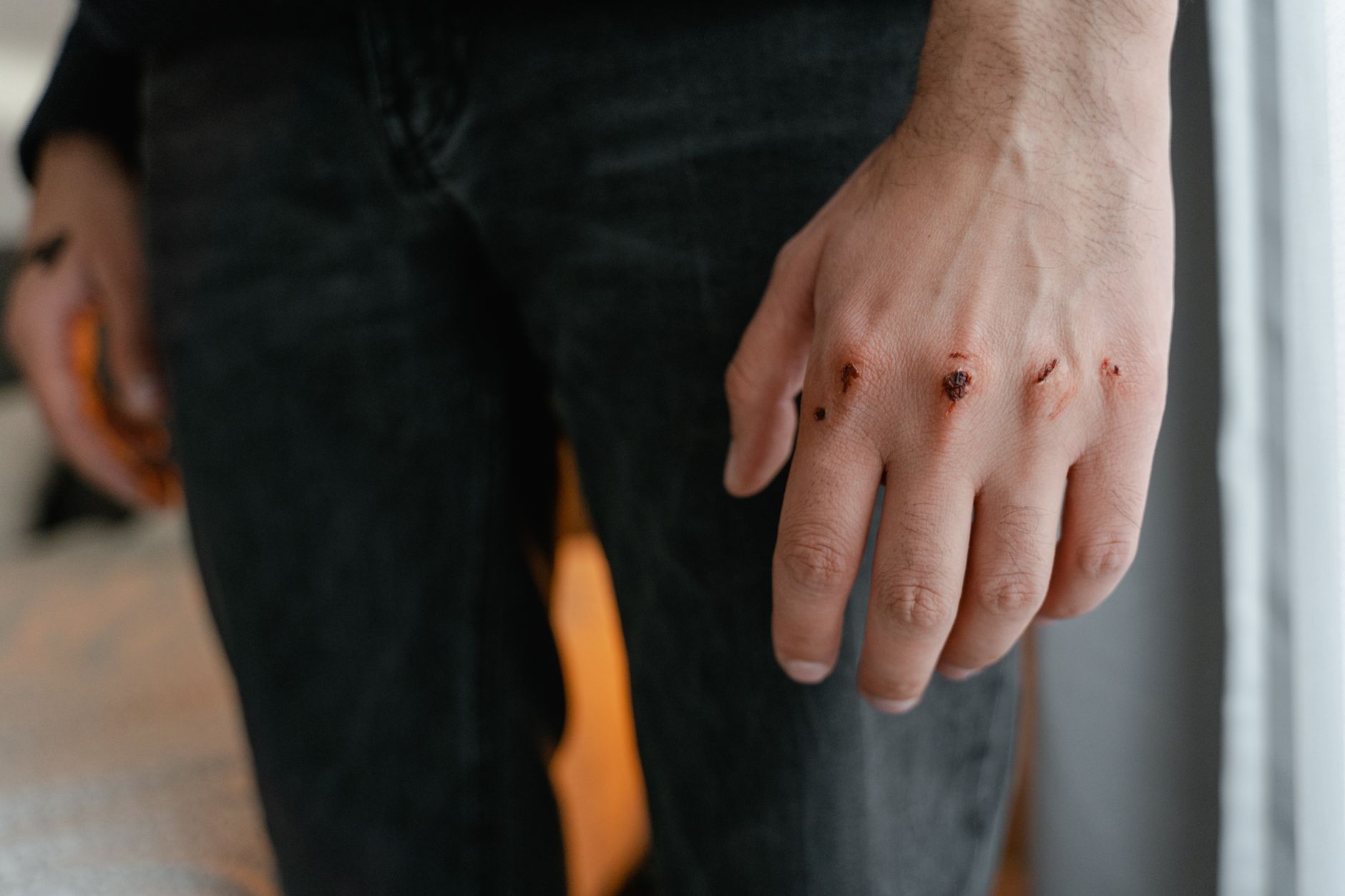
Ask someone why a cut heals in a week and a sprained ankle takes a month, and most people will say the ankle is a bigger injury. That’s true, but it isn’t the whole truth. Healing isn’t really about size. It’s about supply. Every repair your body makes, from a paper cut to a torn ligament, runs on the same fuel: oxygen delivered to the exact spot that needs rebuilding.
Most of us assume that if we’re breathing fine, our tissues are getting enough oxygen too. That’s not quite right. Blood can carry plenty of oxygen through the body while the injured area itself, cut off by swelling or poor circulation, receives very little. That gap is part of why more residents are quietly looking into hyperbaric oxygen therapy clinics in Singapore now, especially once the usual remedies stop working.
Healing Is Chemistry, Not Just Time
Popular wisdom treats recovery like a countdown clock. Wait long enough, and the body sorts itself out. But cells don’t work on a calendar. They work on chemical signals, and one of the loudest signals is oxygen concentration. Low oxygen at a wound site tells cells to slow down, even panic a little. High oxygen tells them to multiply, rebuild collagen, and close the gap.
This is why two people with what looks like the same injury can heal at wildly different speeds. One has excellent circulation feeding the area. The other doesn’t, often because of age, smoking, diabetes, or simply an area of the body with naturally poor blood flow, like tendons and cartilage.
Why Blood Oxygen Isn’t the Whole Story
A pulse oximeter clipped to your finger might read a perfectly healthy number. That measurement reflects your lungs and your blood, not the swollen ankle or the surgical incision struggling a little further away. Oxygen has to travel from lungs to blood to capillaries to the actual injured cells, and each step can bottleneck.
Swelling is one of the biggest bottlenecks. It squeezes the tiny blood vessels that would otherwise deliver oxygen, which is a strange irony: the body’s own emergency response to injury can end up starving the injury of what it needs most.
The Injuries That Refuse to Cooperate
Some injuries are notorious for stalling. Diabetic wounds. Radiation damage. Certain fractures that won’t knit. Tendon and ligament tears, because those tissues have a thin blood supply to begin with. Doctors have a name for wounds like these: chronic, meaning they’ve stopped following the normal healing timeline altogether.
When a wound turns chronic, simply waiting longer rarely helps. The tissue has settled into a low-oxygen state, and something has to interrupt that pattern rather than let it continue.
What Actually Speeds Repair
Good nutrition, sleep, and gentle movement all matter, but they support a process that still needs enough oxygen at the site itself. A few factors tend to make the biggest difference in how fast an injury actually closes:
- How much blood flow naturally reaches that specific tissue
- How well swelling and inflammation are controlled early on
- Whether oxygen can actually reach the cells doing the rebuilding
- How much mechanical stress the area is under while healing
Most recovery advice focuses on the first two. The third, oxygen delivery, gets far less attention, even though it’s arguably the ingredient the other two are working toward.
A Simple Rule for Stalled Recovery
Here’s a rough guide worth keeping in mind. If an injury hasn’t shown real improvement within the timeframe your doctor expected, that’s the moment to ask why, rather than simply waiting another few weeks. Chronic wounds rarely fix themselves by outlasting your patience.
That question, why hasn’t this healed, is more useful than it sounds. It shifts the focus from time passing to what the tissue is actually short of.
Rethinking What Rest Means
We tend to picture rest as doing nothing and letting the body catch up. But rest without enough oxygen at the injury site is just waiting in place. The more useful version of rest gives cells what they need to act, not just permission to be still.
Maybe that’s the real shift worth making: from thinking of healing as something that simply happens with enough patience, to thinking of it as something the body does once it finally has what it needs to do the work. Oxygen turns out to be a bigger part of that equation than most of us were ever taught, and once you notice it, you start asking better questions about why some wounds take the long way home.