Strategizing Beyond Flu Season: Why Workplace Vaccinations Are Becoming Part of Smarter Business Planning
When extreme weather issues arrive, your workplace health plan gets put to the test. Nobody schedules a staff shortage especially when it’s due to seasonal health issues. It usually starts quietly. Someone sends a message saying they are feeling rough and will “see how they go.” Another person covers their workload. A few days later, the person covering also disappears. Before anyone has called it a workplace issue, a small health problem has already become a scheduling problem.
This is something many New Zealand businesses experience every year as seasonal illnesses move through communities. That’s why workplace flu vaccination programs have shifted from an optional extra to a standard operational practice.
-
The Five-Minute Appointment That Can Save a Lot of Disruption
Most people value workplace health, but many are too busy to organize it. For an employer, spending 5 minutes of an employee’s paid time to protect against up to a week of lost work, plus the ripple effect of colleague burnout, is a massive return on investment.
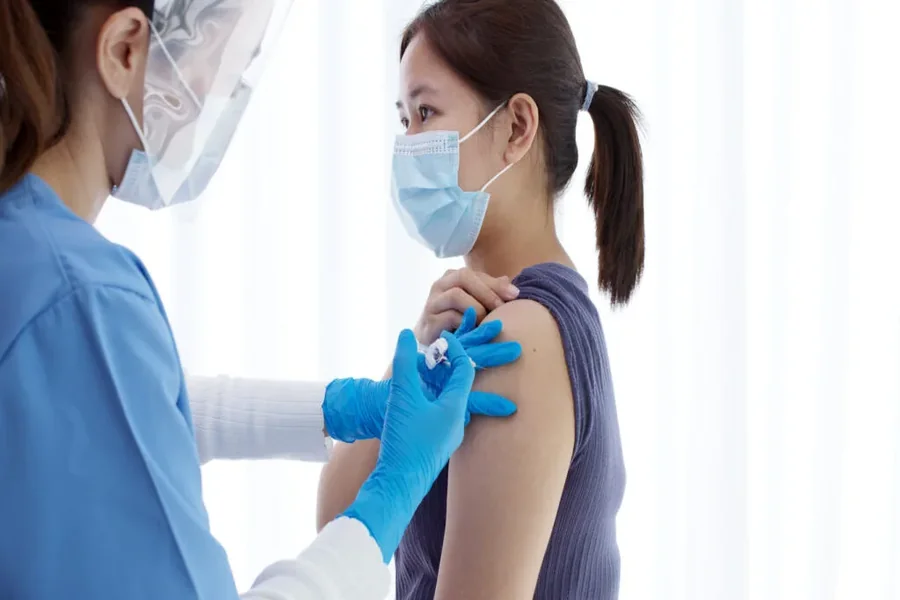
An employee might fully intend to book a flu vaccination, but then meetings fill the calendar, shifts change, family responsibilities take priority, and suddenly winter has arrived. This is why many New Zealand organizations make getting a flu vaccine an act of cultural reinforcement by driving proactive health awareness and bringing services directly to their teams.
Occupational health providers can arrange registered nurses to visit locations such as:
- Office buildings
- Manufacturing sites
- Warehouses
- Distribution centers
- Large workplaces with multiple teams
For employees who work remotely, travel frequently, or operate different shifts, pharmacy vaccination vouchers offer another practical option.
The difference is not just convenience. A well-run program removes barriers. It turns something employees might postpone into something easy to access, while showing that workplace wellbeing is being considered before problems appear.
-
A Desk, a Drainpipe, and a Hospital Bed Do Not Create the Same Risks
One mistake businesses sometimes make is assuming that a workplace is a workplace. It isn’t. The health considerations inside a hospital ward are very different from those around a wastewater system. A childcare center has different exposure patterns from a construction site. Even two businesses in the same industry can have different risks depending on the tasks employees perform every day.
This is where occupational health specialists look beyond job titles and examine the actual work being done. Depending on the environment, vaccination requirements or recommendations may involve:
- Healthcare workers: protection considerations including Hepatitis B, MMR, Varicella, Pertussis, and other relevant vaccinations
- Wastewater, sewage, and plumbing workers: exposure-related protection such as Hepatitis A, Hepatitis B, and Tetanus
- Construction, agriculture, and outdoor workers: Tdap protection where injury and exposure risks are present
- Early childhood education workers: vaccinations such as Pertussis, MMR, and Influenza due to close contact environments
Some organizations also use immunity testing to understand whether workers already have protection against certain risks. That small step changes the conversation. Instead of guessing, employers can make decisions based on actual information.
-
The Best Health Programs Usually Go Further Than the Original Request
A business might initially ask for flu vaccinations. But once occupational health professionals start looking at the workforce, other opportunities often appear.
A warehouse team may benefit from hearing checks because of their working environment. A manufacturing workforce may require respiratory monitoring. An office team may need ergonomic reviews after spending years behind screens.
A broader workplace health program may include:
- Seasonal vaccination clinics
- Cardiovascular checks
- Diabetes screening
- Hearing assessments
- Lung function testing
- Ergonomic reviews
- Mental wellbeing support
The important part is understanding which services actually make sense for that workforce. A good occupational health provider listens first. The solution comes after understanding the people, their jobs, and the environment they work in.
-
The Right Provider Understands Your Workplace before Offering a Solution
A vaccination clinic can be arranged almost anywhere. The more valuable question is whether the program actually fits the organization.
A specialist provider considers things that are easy to miss:
- Are employees spread across different locations?
- Do teams work rotating shifts?
- Are there specific exposure risks?
- How easily can staff access the service?
- What health requirements apply to the industry?
A company with 20 office employees may need a completely different approach from a business with hundreds of workers operating machinery across several sites. This is why workplace health should not be treated as a simple transaction. The strongest providers combine medical knowledge with practical understanding of how businesses operate.
In essence, optimizing workplace health status is not about creating a perfect environment where nobody ever gets sick, that is unrealistic. It is about creating a workplace that responds intelligently when real life happens. That facilitates worker resilience and business continuity when hard times hit. The businesses that understand role of timely flu vaccination are not simply reducing absence. They are building trust, showing responsibility, and creating a culture where employees know their wellbeing is taken seriously.