Staying Active Without Arch Pain Slowing You Down
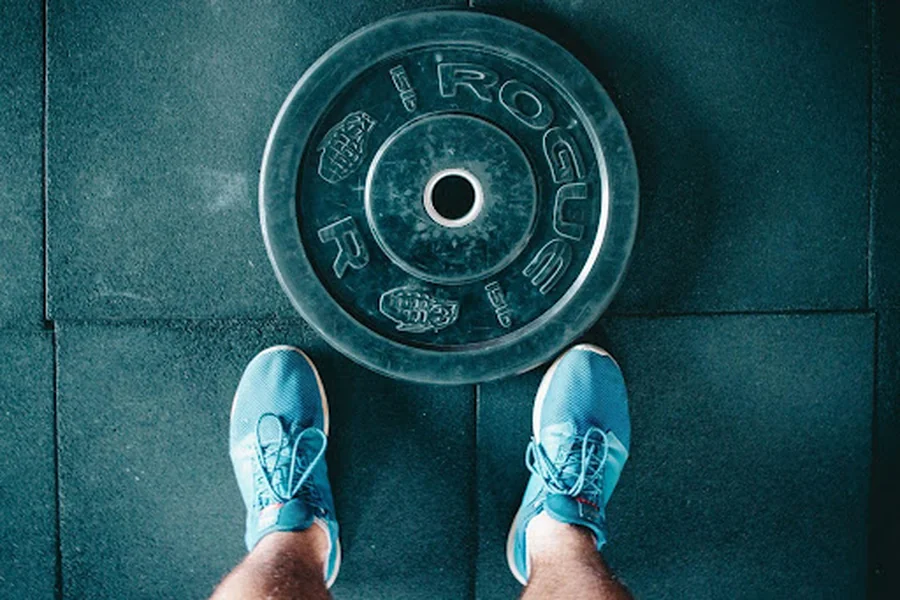
You don’t skip the gym because you’re tired. You skip it because your feet are wrecked by 3pm and the idea of lacing up again sounds miserable. Arch pain doesn’t show up on a training log, but it’s one of the most common reasons active men quietly scale back without ever admitting that’s what’s happening.
Why Arch Pain Hits Active Men Harder
Every mile you run, every set you squat, every hour you’re on your feet at work adds up to thousands of pounds of force moving through your arches. Most guys never think about their arches until something goes wrong, and by then the pain has usually been building for a while.
The problem is that active lifestyles put more repetitive load through the foot than a sedentary one ever would. A weekend warrior putting in miles on trails, a guy who lifts heavy four days a week, or someone standing on a jobsite for ten hours straight is putting far more stress through the arch than the average person. Without solid support underneath that load, the arch starts to break down, and pain is usually the first sign something’s off.
The Real Cost of Ignoring It
Here’s the thing most guys get wrong: arch pain doesn’t stay in the arch. When your foot mechanics are off, your body compensates by shifting how you walk, run, and stand, and that compensation travels. Knees start aching. Hips tighten up. Lower back pain shows up out of nowhere and nobody connects it back to their feet.
Ignoring it doesn’t make it go away either. It just means you keep training on a compromised foundation, which is how minor arch pain turns into missed workouts, nagging injuries, or worse, an activity you used to enjoy becomes something you avoid altogether.
Building a Foundation That Can Handle the Load
If you’re serious about staying active long term, your foundation matters as much as your program. That’s where a real look at arch support comes in, not a $12 gel insole from the drugstore, but something built around how your specific foot is structured and how it moves under load.
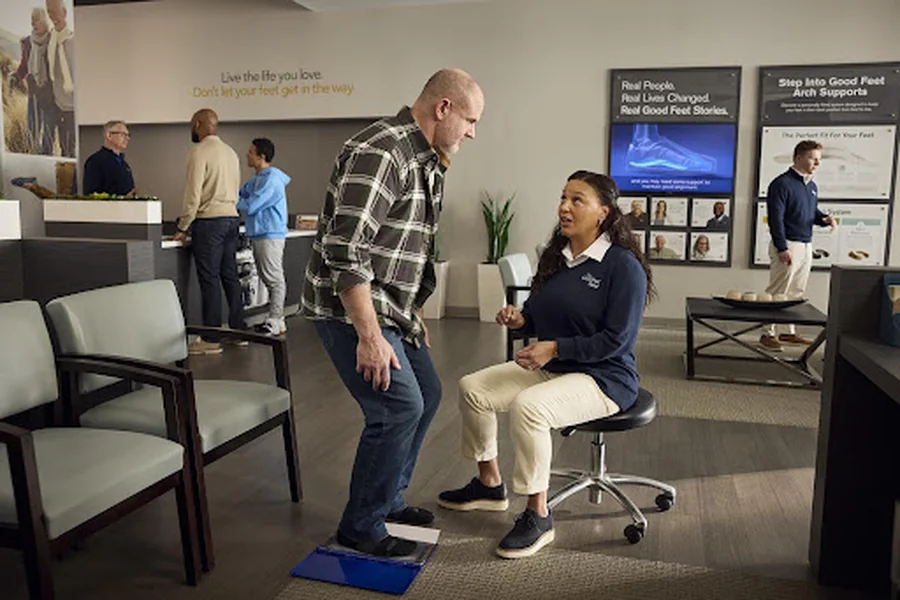
The Good Feet Store approaches this with a personalized fitting. A digital scan maps your arch height, heel width, and how your weight shifts, then a specialist walks through what you’re actually doing on your feet, whether that’s running, lifting, or standing on concrete all day, before matching you to a structured arch support designed to guide your foot toward better alignment rather than just cushioning the pain.
You don’t leave guessing whether it works, either. Most fittings include a test walk in your own training shoes or work boots, so you can feel the difference in real time instead of taking it on faith. The support itself typically isn’t a one-size-fits-all deal: it starts with something built to guide your foot into better positioning, then shifts to a lower-profile option for all-day wear once things settle in, so it can adjust as your training load and activity level change.
For guys logging serious hours on their feet, whether that’s mileage, iron, or a job site, that fitting is less about comfort and more about building something you can actually put weight on. It’s not a replacement for training smart. It’s part of the foundation that lets you keep training at all.
Simple Ways to Stay Ahead of Arch Pain
You don’t have to wait until your feet are wrecked to take this seriously. A few things worth building into your routine:
Rotate your footwear so you’re not putting the same repetitive stress through your arches every single day.
Pay attention to early signs like tightness or soreness after activity instead of pushing through until it’s a real problem.
Add basic foot and ankle mobility work into your warm-up, especially if you’re running or lifting heavy.
Get a real arch support fitting instead of guessing with generic insoles that flatten out in a few months.
Staying in the Game
The guys who stay active into their 40s, 50s, and beyond aren’t the ones who never dealt with pain. They’re the ones who took their foundation seriously before it forced them to stop. Arch pain is fixable, but only if you stop training around it and start addressing it directly.