Understanding the Four Phases of the Menstrual Cycle
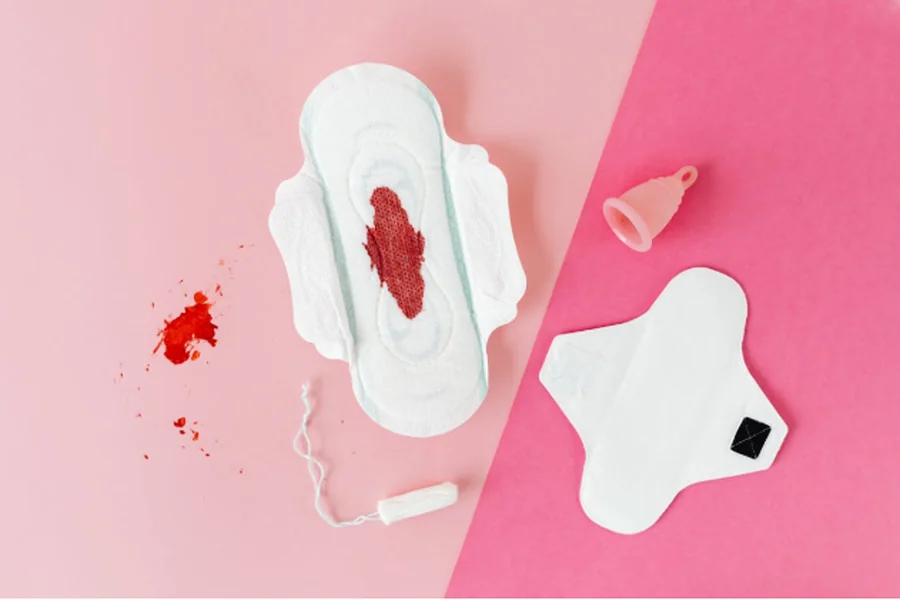
The menstrual cycle is more than just a period. It is a monthly set of body changes that prepares for a possible pregnancy. Hormones guide shifts in the uterus and the ovaries, and these changes repeat in a steady rhythm. The cycle has four phases, and each phase has an important job.
Learning about these phases can help you understand your reproductive health, fertility, and general well-being. It can help you spot what is normal for you, notice changes, and plan for or avoid pregnancy. If you want extra support and personal tips, working with a cycle syncing coach can be very helpful.
This guide explains each phase, the body changes, the hormone shifts, and common signs to watch for. By making this topic clear and simple, we hope to help you feel more confident about your body’s monthly pattern.
What Is the Menstrual Cycle?
The menstrual cycle is a natural, repeated process that usually happens every month. It is driven by hormones that work together to get the body ready for possible conception. The cycle starts on the first day of your period and ends the day before the next period begins. Many people see an average of 28 days, but normal cycles can be shorter or longer.
While 28 days is common, normal cycles for adults can range from 21 to 38 days. Teens may have longer cycles, sometimes up to 45 days, and it can take up to three years after the first period for cycles to settle into a pattern. As people near menopause, cycles may shift again. Learning your own pattern matters more than following a fixed schedule.
What Is the Purpose of the Menstrual Cycle?
The main purpose is to prepare for pregnancy. Each month, hormones help an egg grow and release from an ovary. At the same time, the uterine lining thickens to support a fertilized egg. If pregnancy happens, this lining helps the embryo grow. If not, the lining sheds as a period, and a new cycle begins.
The cycle also gives clues about overall health. Regular, steady cycles can point to balanced hormones and a well-working reproductive system. Irregular cycles can sometimes signal health issues that need attention.
What Hormones Regulate the Menstrual Cycle?
Four main hormones guide the cycle: estrogen, progesterone, follicle-stimulating hormone (FSH), and luteinizing hormone (LH). The brain (pituitary gland) and the ovaries make these hormones, which set the timing of each phase.
FSH starts the growth of ovarian follicles, each with an immature egg. As follicles grow, they make estrogen, which thickens the uterine lining. A rise in LH triggers ovulation, the release of a mature egg.
After ovulation, the follicle changes into the corpus luteum, which makes progesterone to prepare the uterus for pregnancy. If pregnancy does not happen, estrogen and progesterone drop, the lining sheds, and a period starts.
How Long Is a Typical Menstrual Cycle?
While many people reference 28 days, normal cycles for adults often fall between 24 and 38 days. Teens may see cycles as long as 45 days, and it can take time for cycles to become regular after the first period. Near menopause, cycles may become less regular again.
Tracking your own cycle helps you learn what is normal for you. Mark the first day of bleeding and count the days until the next period starts. Over time, you can spot patterns and changes that you may want to discuss with a healthcare provider.
If you’re interested in deepening your understanding of your menstrual cycle and learning how to work with your body’s natural rhythms, resources like Cyclical School offer comprehensive education on cyclical living. Understanding your unique patterns can empower you to make informed decisions about your health and wellbeing throughout all phases of your cycle.
What Are the Four Phases of the Menstrual Cycle?
The cycle includes four phases: menstrual, follicular, ovulation, and luteal. The menstrual and follicular phases overlap at the start. Each phase has its own hormone pattern and body changes that prepare for possible pregnancy.
Knowing what happens in each phase helps with family planning, symptom management, and spotting signs that may need medical advice.
| Phase | Typical Days | Main Hormones | What Happens |
| Menstrual | 1-5 | Low estrogen and progesterone | Uterine lining sheds (period) |
| Follicular | 1-13 | FSH, rising estrogen | Follicles grow; lining thickens |
| Ovulation | ~14 (brief) | LH surge | Egg is released |
| Luteal | 15-28 | Progesterone, some estrogen | Lining matures; body waits for pregnancy signal |
1. Menstrual Phase (Days 1-5)
The menstrual phase is your period and starts on day one of bleeding. It usually lasts 3 to 7 days. An egg from the last cycle was not fertilized, so estrogen and progesterone drop. Without these hormones, the thick uterine lining is shed through the vagina.
The flow contains blood, mucus, and tissue. The uterus contracts to push this tissue out, which can cause cramps. Many people notice physical and emotional changes during this time.
2. Follicular Phase (Days 1-13)
The follicular phase begins on the first day of your period and continues until ovulation. The brain releases FSH, which tells the ovaries to grow 5 to 20 follicles, each with an immature egg. Usually, only one follicle becomes dominant and matures fully.
As the dominant follicle grows, it makes more estrogen. Estrogen thickens the uterine lining to create a nutrient-rich place for an embryo. The follicular phase averages about 16 days but can range from 11 to 27 days.
3. Ovulation Phase (Day 14)
Ovulation is the release of a mature egg from the ovary. In a 28-day cycle, it often happens around day 14, but timing varies. Rising estrogen triggers an LH surge, which prompts the follicle to release the egg.
The egg moves into the fallopian tube and can meet sperm there. This fertile period is short-about 12 to 24 hours. If the egg is not fertilized during this time, it breaks down.
4. Luteal Phase (Days 15-28)
The luteal phase starts after ovulation and lasts until the next period. The empty follicle changes into the corpus luteum, which makes progesterone and some estrogen.
Progesterone thickens and matures the uterine lining. If pregnancy happens, hCG (the hormone found by pregnancy tests) keeps the corpus luteum active, and the lining stays in place. If pregnancy does not happen, the corpus luteum breaks down, hormones fall, and a new period begins.
Menstrual Phase: What Happens During Your Period?
Your period is the visible part of the cycle. The body sheds the lining that it built for pregnancy but did not need. Flow usually lasts 3 to 7 days and includes blood, mucus, and tissue. This is a normal step that starts a new cycle.
The uterus squeezes to move the lining out, which causes cramps. Some people have mild symptoms; others have stronger ones. Knowing what is typical for you helps you manage your period and decide when to seek medical advice.
Common Symptoms During Menstruation
- Abdominal cramps
- Tender breasts
- Bloating
- Mood changes or irritability
- Headaches
- Tiredness
- Lower back pain
Uncomfortable symptoms are common. If symptoms stop you from doing daily activities or you notice unusual signs, talk with a healthcare professional. Tracking symptoms can help you and your clinician spot patterns and choose treatments.
What Is a Normal Amount of Bleeding?
Normal flow varies. Many people lose about 2 to 3 tablespoons of blood during a period, and bleeding often lasts 3 to 7 days. The flow includes blood plus mucus and tissue.
Signs of heavy bleeding include changing a pad or tampon more often than every 1-2 hours, passing clots larger than a quarter, or bleeding longer than 7 days. If your pattern changes or you are worried about blood loss, speak with a healthcare provider.
Follicular Phase: How Does the Body Prepare for Ovulation?
During the follicular phase, the ovaries and uterus get ready for ovulation and a possible pregnancy. While it overlaps with your period, its main job is to grow an egg and build up the uterine lining. Hormones from the brain and ovaries guide each step.
Knowing this stage helps explain how fertility develops across the cycle.
Role of Follicle-Stimulating Hormone (FSH)
The hypothalamus signals the pituitary gland to release FSH. FSH tells the ovaries to grow several follicles. Usually, one follicle becomes dominant and matures; the rest stop growing and are reabsorbed. This allows the body to focus on the healthiest egg.
As the dominant follicle grows, it makes estrogen, which is needed for the next steps. The timing and level of FSH help healthy follicle growth and set up ovulation.
Endometrial Changes in This Phase
While follicles grow, the uterus also changes. Rising estrogen from the dominant follicle thickens the endometrium (the uterine lining) and adds more blood vessels. This creates a nutrient-rich place where a fertilized egg could attach and grow.
If fertilization and implantation do not happen, this same lining will shed during your next period.
Ovulation Phase: When Does Ovulation Occur and Why Is It Important?
For people tracking fertility, ovulation is a key moment. The body releases a mature egg that can be fertilized. This window is short and relies on clear timing between the brain, hormones, and the ovaries.
Knowing when ovulation happens can help you plan for or avoid pregnancy and better understand your cycle.
Signs and Symptoms of Ovulation
- Slight rise in basal body temperature (BBT) the morning after ovulation
- Cervical mucus becomes clear, slippery, and stretchy (like raw egg whites)
- Mild one-sided lower abdominal pain (mittelschmerz)
- Breast tenderness
- Higher libido
Tracking these signs can help you spot your fertile days.
How Ovulation Relates to Fertility and Pregnancy
Ovulation is needed for pregnancy. After release, the egg lives about 12 to 24 hours. Sperm can live up to five days in the reproductive tract. This creates a fertile window: the five days before ovulation and the day of ovulation carry the highest chance of conception.
People trying to conceive often have sex during these days. Those avoiding pregnancy should use protection during this window. Pregnancy can occur at other times too, but the chance is lower outside this period.

Luteal Phase: What Are the Effects After Ovulation?
After ovulation, the luteal phase brings steady hormone support for the uterine lining. Progesterone leads this phase and keeps the lining ready while the body waits to see if pregnancy has started.
This phase also explains many premenstrual symptoms.
Role of Progesterone and the Corpus Luteum
After the egg is released, the follicle changes into the corpus luteum. It makes progesterone and some estrogen. Progesterone thickens and maintains the lining, making it ready for a fertilized egg.
If pregnancy begins, the embryo produces hCG, which keeps the corpus luteum working so the lining stays in place. If pregnancy does not happen, the corpus luteum breaks down after about 10-14 days, hormones fall, and a period starts.
Symptoms During the Luteal Phase
- Breast tenderness
- Bloating and fluid retention
- Mood changes (irritability, sadness, anxiety)
- Headaches
- Fatigue
- Changes in appetite and food cravings
- Skin breakouts
These symptoms come from rising and falling hormone levels. Mild symptoms are common. If symptoms are severe or disrupt daily life, speak with a healthcare provider.
Premenstrual Syndrome (PMS) Explained
PMS is a group of physical and emotional symptoms that show up after ovulation and usually ease once your period starts. They relate to hormone shifts, especially the drop in estrogen and progesterone when there is no pregnancy. Common symptoms include mood swings, irritability, anxiety, low mood, bloating, breast tenderness, headaches, fatigue, and food cravings.
PMS ranges from mild to strong. If your symptoms feel overwhelming, a clinician can help with strategies and treatment options. In rare cases, symptoms may point to PMDD, which needs medical care.
Key Takeaways About the Four Phases of the Menstrual Cycle
Each phase of the cycle has an important role: the period sheds the lining, the follicular phase grows an egg and rebuilds the lining, ovulation releases the egg, and the luteal phase supports the lining while the body waits for a pregnancy signal. This monthly pattern also affects energy, mood, and daily life.
Knowing your cycle can help you plan your schedule, manage symptoms, and make informed choices about fertility and health. Tracking signs and learning your patterns can make each month easier to understand and manage.