Posture Corrector for Work From Home Setup: A Complete Guide
It sounds great to work from home: no commute, comfy clothes, and your own space. But there is a hidden downside that most people don’t talk about: your posture slowly gets worse without you even noticing. One day you’re sitting up straight, and the next you’re hunched over your laptop like a shrimp.
A posture corrector can help with that. This guide will help you figure out how posture correctors fit into your work-from-home setup and whether or not you really need one if you’ve been having back pain, stiff shoulders, or even headaches after long hours of work.
Why Working from Home Is Bad for Your Posture?
To be honest, most home setups aren’t good for your body. You could be working from your bed, couch, or a dining chair that wasn’t made for long hours of work.
This is what usually happens:
- Your screen is too low, so you have to bend your neck forward
- Your chair isn’t good for your lower back
- You sit for a longer duration without getting up
- You don’t even notice it, but you start to slouch slowly
This puts a lot of stress on your spine over time, especially your neck and lower back. That’s why so many people who work from home complain about being uncomfortable, even if their job doesn’t require a lot of physical work.
What is a posture corrector?
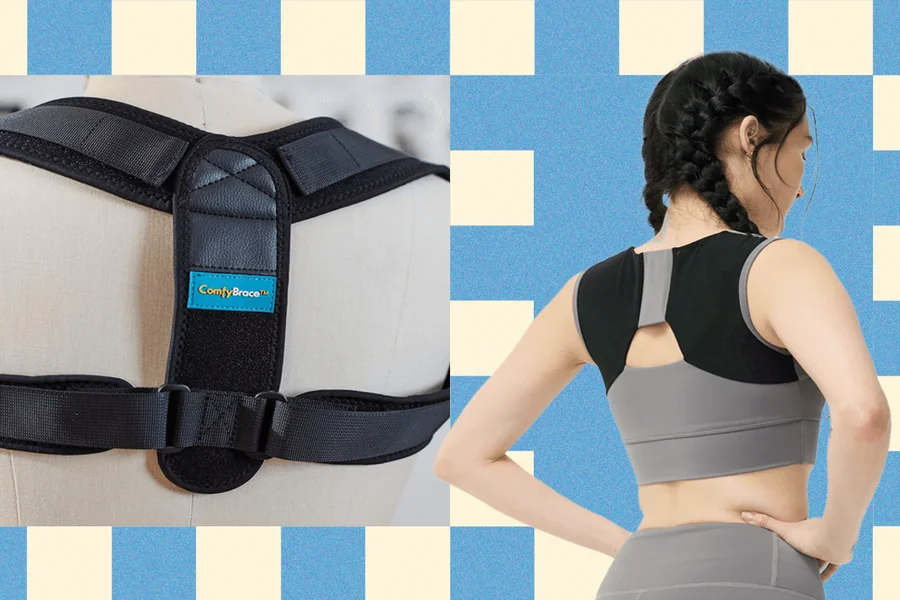
A posture corrector is a support device that you wear to help you sit or stand up straight. It usually goes around your shoulders and upper back and pulls them into a better position.
Think of it as a reminder instead of a solution. It doesn’t fix your posture on its own, it teaches your body how to stay straight.
There are many kinds:
- Shoulder straps to support the neck and upper back
- Back braces (to keep the lower back stable)
- Full posture correctors (to help with overall alignment)
Lightweight shoulder and upper-back correctors are the most common for people who work from home.
How a posture corrector can help you at work
A posture corrector can help a lot if you spend a lot of time in front of a screen.
This is how it helps:
- Keeps your shoulders in line
It gently pulls your shoulders back to stop that forward hunch. - Lessens strain on the neck
Better alignment means that your head is in the right place over your spine, which takes pressure off your neck. - Increases awareness of sitting
You become more aware of how you’re sitting, even when you’re not wearing it. - Helps your upper back
It helps you feel less tired, especially during long meetings or deep work sessions. - Helps you make better choices
Your muscles learn the right way to stand over time.
Do you really need one?
Not everyone needs a posture corrector, but you probably do if:
- You have pain in your back or shoulders after work.
- You often find yourself slouching.
- You work a lot on your laptop.
- Your neck feels stiff.
- You have trouble keeping your posture straight.
A posture corrector can help you develop better habits, but it shouldn’t be your only tool.
What to Look for in a Good Posture Corrector
Some posture correctors aren’t comfortable or work. Choosing the right one makes a big difference.
Keep this in mind:
- Fits well
You should be able to wear it for a few hours without it bothering you. - Straps that can be changed
A fit that can be changed makes sure you get the right support without being too tight. - Material that lets air through
You will probably wear it to work, so air flow is important. - Lightweight Design
You don’t want something big to get in the way of your movement. - Underneath Clothing That Is Discreet
Very helpful if you work in shared spaces or have video calls.
How to Use It Correctly?
A posture corrector belt can help, but only if you use it the right way.
- Don’t wear it all day
Start with 20 to 30 minutes and then slowly add more time. If you wear it for too long, your muscles may become dependent on it. - Don’t make it too tight, keep it snug
It should help you stand up straight, not force you to. - Use It While You’re Working
This is particularly important when you are seated for extended periods of time. - Put it together with a good setup
A workstation won’t be fixed by a posture corrector.
Also, fix your workstation (this is more important).
Let’s be clear: a posture corrector can’t fix a bad setup completely.
This is how to make your workspace better:
- Screen at Eye Level
Put your laptop on a stand or a stack of books. - Good Support for Chairs
Use a cushion if you need to support your lower back. - Feet Flat on the Ground
Don’t let your feet hang down or sit cross-legged for long periods of time. - Keyboard at the level of your elbow
Your arms should make a right angle. - Take a break frequently
After every 30 to 60 minutes, get up, stretch, and move around.
When your setup is already good, a posture corrector works best.
Things You Should Not Do
Many people use posture correctors wrong and then think they don’t work.
Stay away from these:
- Putting it on too tightly
- Using it all day long without stopping
- Not paying attention to how to sit properly
- Not doing stretches or moving around
- Expecting results right away
It’s a tool to help, not a miracle fix.
Don’t skip strength and movement
Your body needs strength, not just support. This is very important.
Your posture won’t get better in the long run if your muscles are weak.
Concentrate on:
- Core workouts (planks, dead bugs)
- Strengthening the upper back with rows and reverse flies
- Stretching the chest to loosen it up
- Exercises for neck flexibility
Even just 10 to 15 minutes a day can make a big difference.
How long will it take to see results?
This depends on how consistent you are. If you:
- Use a posture corrector regularly
- Make your workspace better
- Be active
Changes may start to show up in a few weeks.
The first signs are usually less pain, better alignment, and more awareness.
Is It Worth It?
Yes, it’s worth a try for most people who work from home.
A corrector for your posture:
- Helps ease pain
- Increases awareness of posture
- Helps with long periods of sitting
But keep in mind that it works best when it’s part of a bigger system that includes movement, strength, and a good setup.
Last Thoughts
Long hours in front of screens and working from home are not going away. Ignoring your posture now could cause bigger problems later.
A posture corrector is a cheap and easy way to help you stay in line and ease the stress of everyday life. Just don’t put all your faith in it. Combine it with good habits, a good place to work, and moving around a lot.
Good posture isn’t just about sitting perfectly all the time. It’s also about being aware, moving around a lot, and giving your body the support it needs.