Granulation Tissue After Tooth Extraction: Pictures, Healing Stages & What’s Normal
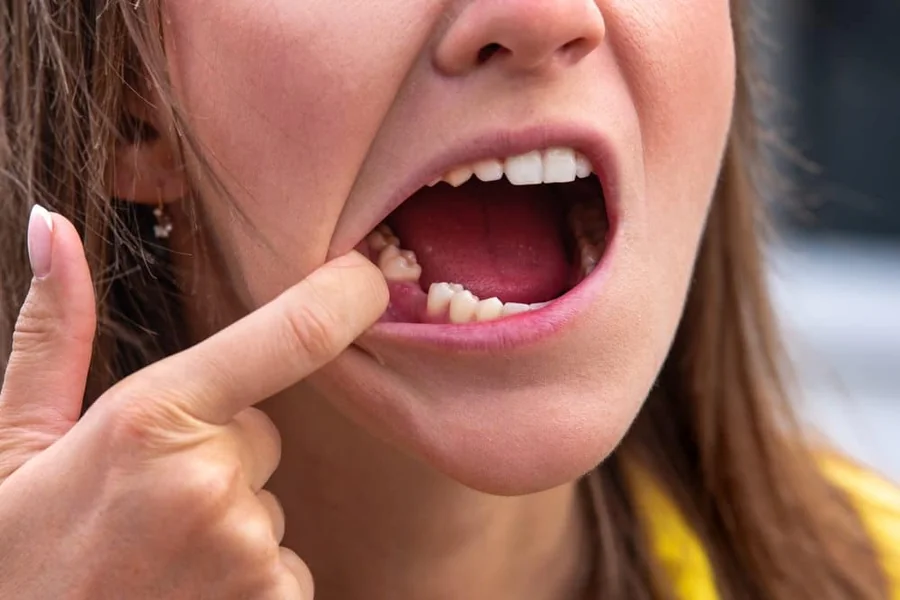
Understanding Granulation Tissue After Tooth Extraction
What Is Granulation Tissue?
So, you’ve had a tooth pulled, and now you’re wondering what’s going on in that little hole in your mouth. That’s where granulation tissue comes in. It’s not something you typically think about, but it’s a pretty important part of healing. Basically, it’s this bumpy, reddish-pink stuff that starts to fill in the empty socket after the tooth is gone. It’s made up of new blood vessels, cells called fibroblasts that make collagen, and a type of white blood cell called macrophages. Think of it as the body’s natural repair crew getting to work.
Its Role in Healing
Granulation tissue has a big job. Its main purpose is to bridge the gap left by the extraction. It’s like laying down the foundation for new tissue to grow. The new blood vessels bring oxygen and nutrients to the area, which is super important for healing. The fibroblasts start producing collagen, which is like the scaffolding that gives the new tissue its strength. And those macrophages? They help clean up any debris or bacteria that might be hanging around, preventing infection and making way for healthy cells.
Appearance of Healthy Granulation Tissue
When granulation tissue is healing well, it usually looks a certain way. It’s typically a bright, healthy red or pink color and has a slightly bumpy or granular texture. It shouldn’t be overly painful to the touch, though some mild tenderness is normal. You might also notice it’s moist. If you’re looking at pictures of granulation tissue after tooth extraction, you’ll see this characteristic look. It’s a sign that your body is doing exactly what it’s supposed to be doing to close up that socket. If you’re ever unsure about what you’re seeing, it’s always a good idea to check in with your dentist, like the team at Dana Niguel Dental, your dentist in Dana Point.
The healing process after a tooth extraction is a complex biological event. Granulation tissue formation is a key phase, signaling that the body is actively rebuilding the damaged area. It’s a dynamic process, not just a static filling.
Here’s what you might notice as it starts to form:
- A change in the color of the socket from dark red to a lighter pink.
- A gradual filling in of the socket space.
- A decrease in the initial post-extraction soreness.
Visualizing Granulation Tissue: Pictures and Appearance
Seeing what’s happening inside your mouth after a tooth extraction can be a little unnerving, especially when you’re trying to figure out if the healing process is on track. Granulation tissue is a key player in this whole recovery, and knowing what it looks like at different stages can really put your mind at ease. Let’s break down how it appears.
Early Stage Granulation Tissue
Right after the extraction, the empty socket is pretty raw. You’ll notice it’s filled with blood initially, which then forms a clot. This clot is the foundation for everything that follows. Soon after, the edges of the socket start to get a bit red and maybe a little swollen. This is the body kicking into gear, sending in the first responders to start cleaning up and building new tissue. It’s not exactly pretty at this point, but it’s a sign that healing has begun.
Mature Granulation Tissue
As the days go by, that early, raw look starts to change. The tissue becomes more organized. It’s typically a bright red or pinkish color and has a slightly bumpy or granular texture, hence the name. This healthy, vibrant red color is a good sign that blood flow is strong and the rebuilding process is moving along nicely. It starts to fill the socket from the bottom up and the sides inward. You might see it looking a bit like tiny, red beads or a velvety surface.
Pictures of Granulation Tissue After Tooth Extraction
While we can’t show you actual pictures here, imagine that bright red, slightly lumpy tissue filling the space where your tooth used to be. It’s not supposed to look like a perfectly smooth, white surface. Instead, think of it as a busy construction site inside your mouth. The tissue is actively working to close the gap.
- Color: Healthy granulation tissue is usually a vivid red or pink.
- Texture: It often feels and looks slightly granular or bumpy.
- Location: It starts filling the socket from the base and edges.
It’s important to remember that every person heals a bit differently. What looks perfectly normal for one person might vary slightly for another. The key is to look for signs of progress rather than expecting a static appearance. If you’re ever unsure about what you’re seeing in your extraction site, it’s always best to check in with your dental team at Dana Niguel Dental. They can provide personalized advice and reassurance, just like a good dentist in Dana Point would.
Sometimes, you might worry if the healing is taking too long or if something seems off. If the socket looks unusually white, or if you have persistent pain and swelling, it’s worth getting it checked out. These could be signs that something isn’t quite right, and your dentist can help figure out the best next steps.
Stages of Healing Involving Granulation Tissue
After you’ve had a tooth pulled, your body gets right to work fixing things up. Granulation tissue is a big part of that process. It’s not something you usually think about, but it’s pretty amazing how it helps your mouth heal. You might see pictures of granulation tissue after tooth extraction and wonder if it looks normal. Let’s break down how it fits into the different stages of healing.
Inflammation Phase
Right after the extraction, this phase kicks in. It’s all about cleaning up the area. Your body sends in cells to deal with any damage and prevent infection. You’ll notice some swelling and maybe a little discomfort – that’s totally normal. This is the body’s initial response to the “injury” of the extraction.
Proliferation Phase
This is where granulation tissue really starts to show up. Think of it as the body’s construction crew moving in. New blood vessels form, and a bumpy, reddish tissue starts to fill the socket. This new tissue is what helps bridge the gap left by the tooth. It’s a sign that healing is progressing. It might look a bit raw, but it’s a healthy step.
Remodeling Phase
Over time, the granulation tissue matures. It gradually gets replaced by stronger, more organized tissue. The redness fades, and the bumpy texture smooths out. This phase can take a while, and it’s the final stage where the socket fully heals and closes up. If you’re concerned about how your healing looks, especially if you’re looking at pictures of granulation tissue after tooth extraction, it’s always a good idea to check in with your dentist. The team at Dana Niguel Dental can help you understand what’s normal for your specific situation. They’re a great dentist in Dana Point if you’re in the area.
It’s important to remember that everyone heals a bit differently. What looks like a lot of granulation tissue one day might look much better the next. Patience is key during this healing period.
Here’s a quick look at what happens:
- Inflammation: Initial cleanup and defense.
- Proliferation: Granulation tissue builds the foundation.
- Remodeling: The area strengthens and reorganizes.
Seeing these stages helps you understand that the changes in your mouth are part of a natural healing process.
What to Expect: Normal Healing Progression
Timeline of Socket Healing
After your tooth is extracted, the healing process begins right away. It’s a natural progression, and understanding the general timeline can help ease any worries. The first few days are the most critical for forming a stable blood clot. This clot is like the first building block for new tissue.
- Day 1-3: You’ll likely experience some swelling and discomfort. The socket will be fresh, and the blood clot is forming and settling in. You might see a bit of oozing, which is normal.
- Week 1: The initial pain and swelling should start to decrease. The edges of the socket will begin to look a little pink or red as new cells start to grow.
- Weeks 2-4: Granulation tissue will fill more of the socket. It will appear red and bumpy. You might notice the socket getting shallower.
- Months 1-6: The granulation tissue continues to mature and eventually gets replaced by bone. The gum tissue will close over the top, and the socket will feel much less noticeable.
Signs of Normal Healing
It’s good to know what to look out for to confirm things are on track. Normal healing means your body is doing its job.
- Decreasing Pain: While some soreness is expected initially, the pain should gradually lessen over the first week.
- Reddish/Pink Tissue: Seeing healthy, red or pink granulation tissue filling the socket is a positive sign.
- Gradual Socket Closure: The hole will slowly become less deep and eventually close over.
Remember, everyone heals a bit differently. What’s normal for one person might be slightly different for another. If you’re concerned, it’s always best to check in with your dental team.
The Importance of a Blood Clot
That blood clot that forms immediately after extraction? It’s super important. It acts as a protective barrier for the underlying bone and tissues, preventing bacteria from getting in and setting the stage for healing. Without a good clot, healing can be significantly delayed. If you’re worried about your healing or have questions, don’t hesitate to reach out to your dentist in Dana Point. The team at Dana Niguel Dental is always happy to help you understand the process and address any concerns you might have about pictures of granulation tissue after tooth extraction or any other aspect of your recovery.
Protecting this fragile clot means strictly adhering to your dentist’s post-operative instructions for the first few days. According to this professional dentist in New Kent VA, avoiding suction from straws, resisting the urge to spit forcefully, and skipping hard or crunchy foods are crucial steps to prevent the clot from dislodging and causing a painful dry socket.>
When Granulation Tissue Might Indicate a Problem
While granulation tissue is a normal part of healing after a tooth extraction, sometimes it can signal that something isn’t quite right. It’s good to know what to look out for, so you can get help if you need it. If you’re concerned, it’s always best to check in with your dentist. For those in the area, reaching out to a dentist in Dana Point like Dana Niguel Dental is a smart move if you have questions.
Signs of Infection
An infection in the extraction site can really mess with the healing process. You might notice:
- Increased pain that doesn’t get better or even gets worse.
- A bad taste or smell coming from the socket.
- Pus or a thick, yellowish or greenish discharge.
- Swelling that spreads beyond the extraction site, maybe to your cheek or jaw.
- Fever or feeling generally unwell.
If you see any of these signs, it’s important to contact your dental professional right away. They can figure out if there’s an infection and get you the right treatment, like antibiotics.
Delayed Healing
Sometimes, the healing process just seems to stall. Normally, you’d see the socket gradually fill in and close up. If it feels like it’s been weeks and there’s still a big open hole, or if the granulation tissue doesn’t seem to be progressing, it might be a sign of delayed healing. This can happen for a few reasons, like poor nutrition, smoking, or underlying health issues. It’s worth discussing with your dentist if things aren’t moving along as expected.
Excessive Bleeding
While a little oozing is normal right after surgery, persistent or heavy bleeding from the socket is a red flag. If you’re changing gauze pads frequently and they’re still soaking through quickly, or if you see bright red blood spurting, you need to get it checked out. This could indicate a problem with a blood vessel or other complications. Remember, looking at pictures of granulation tissue after tooth extraction online can be helpful, but it can’t replace a professional opinion if you’re experiencing concerning symptoms.
It’s easy to get worried when you’re healing from a tooth extraction. Most of the time, your body knows exactly what to do to fix itself. But paying attention to how things feel and look can help you catch any issues early on. Don’t hesitate to call your dentist if something feels off. They’re there to help you through the process and make sure you heal up properly.
Promoting Healthy Granulation Tissue Formation
So, you’ve had a tooth pulled, and now you’re wondering how to help that healing spot along. It’s all about giving your body the best chance to build that new tissue. Think of it like tending a garden; you need the right conditions for things to grow well. Taking good care of the extraction site is key to forming healthy granulation tissue.
Post-Extraction Care Guidelines
Following your dentist’s instructions is the most important thing you can do. They know what’s best for your specific situation. Here are some general tips that usually help:
- Keep the area clean: Gently rinse your mouth with salt water after meals, starting about 24 hours after the extraction. Don’t swish too hard, though; you don’t want to dislodge anything important.
- Avoid disturbing the clot: That initial blood clot is like a protective blanket. Don’t poke it with your tongue or fingers, and avoid using straws for the first few days. This is super important for preventing dry socket.
- Manage pain: Take any prescribed pain medication as directed. Discomfort is normal, but it shouldn’t be unbearable.
- Rest: Give your body a chance to heal. Try to take it easy for the first day or two.
The goal is to create a calm environment for the healing process. This means being gentle and patient. You might be looking at “pictures of granulation tissue after tooth extraction” online, but remember that every person heals a bit differently.
Dietary Considerations for Healing
What you eat can make a difference. Think about foods that are easy to chew and packed with nutrients that help with tissue repair.
- Soft foods: Smoothies, yogurt, mashed potatoes, soups, and scrambled eggs are good choices initially.
- Protein: This is a building block for new tissue. Lean meats, fish, beans, and tofu are great.
- Vitamins and Minerals: Vitamin C (found in citrus fruits, berries, and bell peppers) and zinc (in nuts, seeds, and whole grains) are particularly helpful for wound healing.
- Stay hydrated: Drink plenty of water. It helps keep everything functioning properly.
Avoiding Irritation to the Socket
Anything that disrupts the healing site can slow things down or even cause problems. Be mindful of:
- Smoking and tobacco products: These really interfere with blood flow and healing. It’s best to avoid them completely during the healing period.
- Hot liquids: Stick to lukewarm or cool drinks and foods for the first day or so.
- Hard or crunchy foods: Avoid these until the area feels more comfortable and your dentist gives the okay.
If you’re in the Dana Point area and have concerns about your healing, don’t hesitate to reach out to your dentist in Dana Point. The team at Dana Niguel Dental is always happy to help guide you through the recovery process and make sure everything is healing as it should.
Wrapping Up: What to Expect with Your Healing Tooth Socket
So, that’s the lowdown on granulation tissue after you’ve had a tooth pulled. It’s a normal part of your mouth healing up, kind of like a scab forming on your skin, but inside your mouth. You’ll see it change over time, starting out a bit red and bumpy, then gradually filling in. Most of the time, it’s nothing to worry about, and your body knows what it’s doing. But hey, if things look really off, or you’re feeling a lot of pain that doesn’t get better, don’t hesitate to call your dentist. They’re the pros, and they can tell you for sure if everything is on track or if you need a little help.