Colon Hydrotherapy: What It Is and What You Should Know
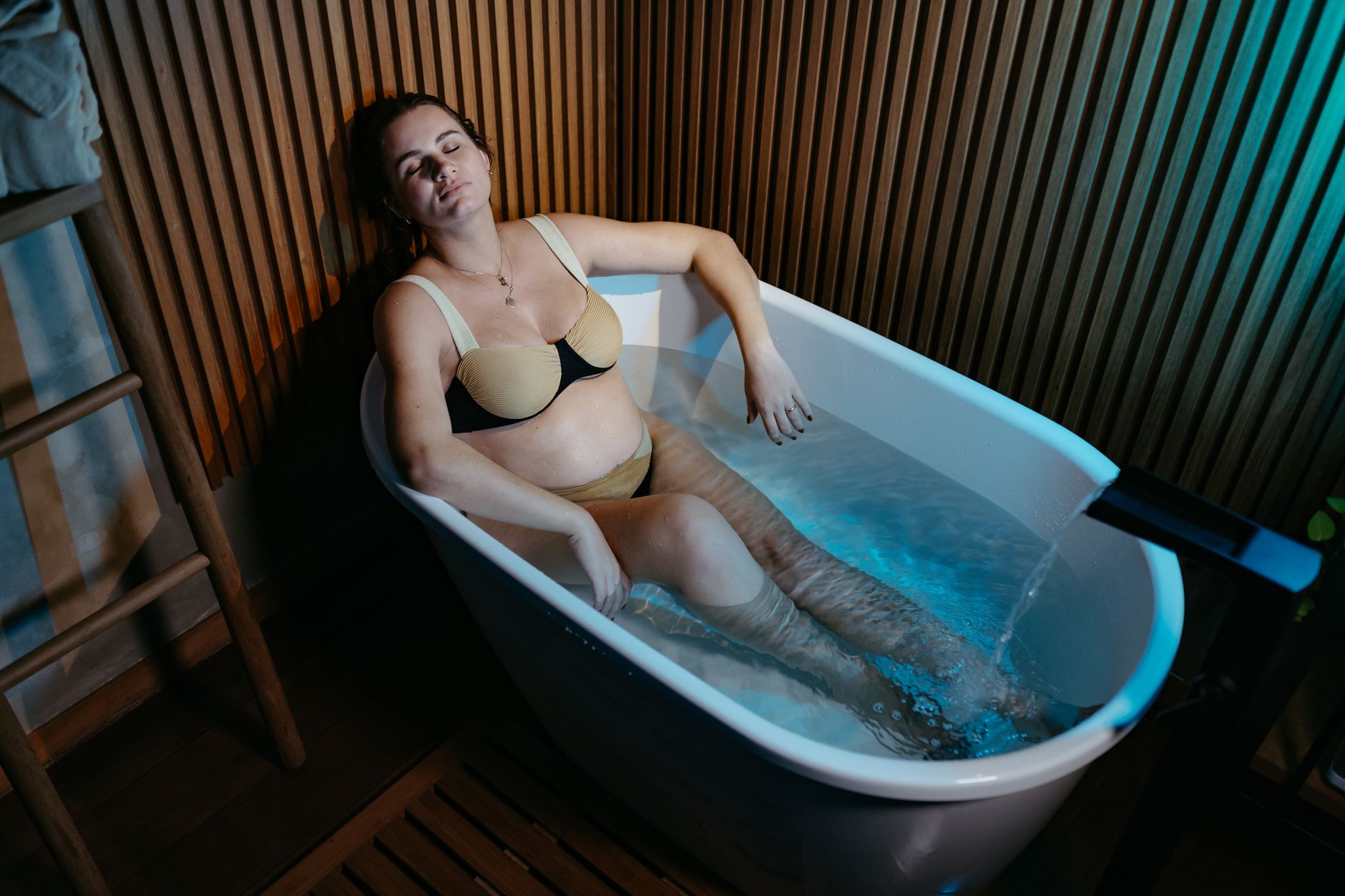
Colon hydrotherapy has become an increasingly discussed wellness treatment, with many people seeking it as part of a broader approach to digestive health and overall wellbeing. While some individuals report feeling lighter and more comfortable after a session, it's important to understand what the treatment involves, its potential benefits, and the considerations to keep in mind before booking an appointment.
What Is Colon Hydrotherapy?
Colon hydrotherapy, sometimes referred to as colonic irrigation or colonic cleansing, is a procedure that gently flushes the large intestine with warm, filtered water. The treatment is performed by a trained therapist using specialised equipment designed to introduce and remove water in a controlled, hygienic manner.
Unlike an enema, which typically cleans only the lower part of the colon, colon hydrotherapy aims to cleanse a larger section of the large intestine. The process usually lasts between 30 and 45 minutes, during which water is introduced gradually while waste material is naturally expelled through a closed system.
Many clinics combine the treatment with advice on hydration, nutrition, and healthy lifestyle habits to encourage long-term digestive wellness.
Why Do People Choose Colon Hydrotherapy?
People seek colon hydrotherapy for a variety of reasons. Some are looking to improve digestive comfort, while others view it as part of a wellness or detoxification routine. Common reasons people book a session include:
- Occasional constipation
- Feelings of bloating or sluggish digestion
- Preparing for a healthier eating plan
- Supporting general digestive wellbeing
- Feeling refreshed after periods of poor diet or travel
Some individuals report temporary improvements in comfort and a sensation of feeling lighter after treatment. However, experiences vary considerably from person to person.
What Does the Research Say?
Scientific evidence supporting the routine use of colon hydrotherapy for general health or detoxification remains limited. The body already has highly effective natural detoxification systems, with the liver, kidneys, lungs, and digestive tract working together to remove waste products.
At present, there is no strong medical evidence that colon hydrotherapy removes toxins more effectively than the body's own natural processes.
That said, some people with occasional constipation or digestive discomfort may feel symptom relief following treatment. More high-quality research is needed to determine which individuals, if any, are most likely to benefit.
For this reason, colon hydrotherapy is generally considered a complementary wellness treatment rather than a medically necessary procedure for healthy individuals.
Preparing for a Session
Most therapists recommend arriving well hydrated and avoiding heavy meals for several hours beforehand. Wearing comfortable clothing can also help you feel more relaxed.
A consultation is usually conducted before the treatment begins. This allows the therapist to discuss your health history, medications, digestive concerns, and any medical conditions that may make the procedure unsuitable.
Being open about your medical history is essential, as colon hydrotherapy is not appropriate for everyone.
Are There Any Risks?
Although many treatments are completed without complications, colon hydrotherapy is not entirely risk-free.
Possible side effects may include temporary cramping, bloating, nausea, fatigue, or mild abdominal discomfort following the session. More serious complications, while uncommon, can occur, particularly if the procedure is performed improperly or if sterile equipment is not used.
The treatment should generally be avoided by people with certain medical conditions, including inflammatory bowel disease during active flare-ups, bowel perforation, recent bowel surgery, severe haemorrhoids, significant heart or kidney disease, or certain gastrointestinal disorders.
If you are pregnant or have ongoing digestive symptoms that have not been medically assessed, it is advisable to speak with your healthcare provider before considering treatment.
Supporting Digestive Health Naturally
Whether or not you choose colon hydrotherapy, there are many proven ways to support healthy digestion on a daily basis.
Eating plenty of fibre from vegetables, fruits, legumes, and whole grains helps promote regular bowel movements. Drinking enough water throughout the day is equally important, as fibre works best when combined with adequate hydration.
Regular physical activity also encourages healthy bowel function, while managing stress may benefit digestion through the close connection between the brain and the gut.
For many people, establishing consistent eating habits and maintaining a balanced diet provide long-term digestive benefits without the need for specialised treatments.
Choosing a Qualified Practitioner
If you decide to try colon hydrotherapy, selecting a reputable clinic is essential. Look for practitioners who have appropriate training, follow strict hygiene protocols, and take the time to conduct a thorough health assessment before treatment.
A professional therapist should also be willing to explain the procedure, discuss both the potential benefits and limitations, and advise you if they believe the treatment is not appropriate for your circumstances.
A Balanced Approach to Wellness
Colon hydrotherapy continues to attract interest from people seeking improved digestive comfort and a fresh start for healthier living. While many individuals describe positive personal experiences, current scientific evidence does not support claims that it detoxifies the body or provides broad health benefits for everyone.
As with many wellness therapies, the best approach is to stay informed, consider both the potential benefits and risks, and consult a qualified healthcare professional if you have any underlying medical concerns. Combined with a nutritious diet, regular exercise, adequate hydration, and healthy lifestyle habits, informed decisions remain the foundation of long-term digestive health.