Best 5 Hangover Food Ideas to Soothe Your Symptoms
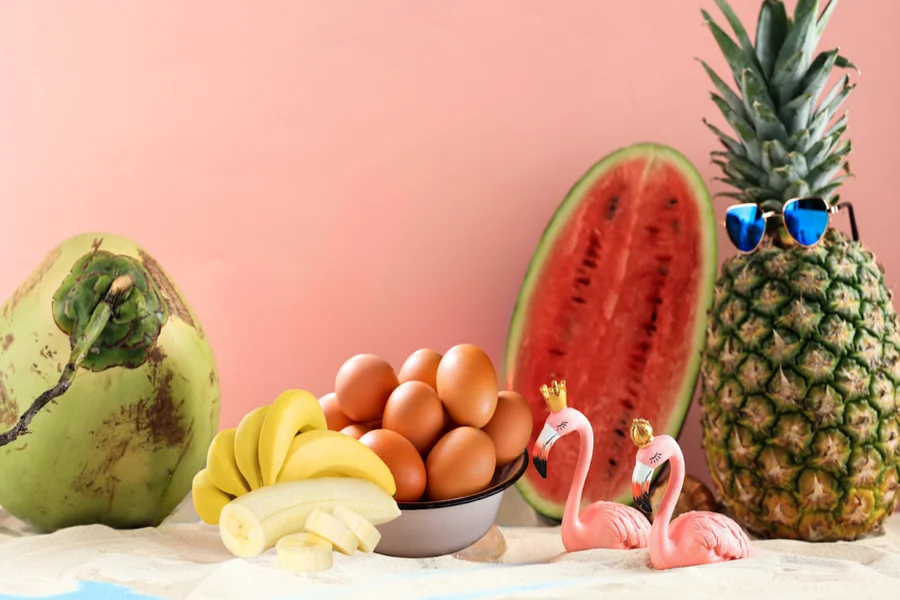
Waking up with a pounding headache and queasy stomach after a night out is something many of us know too well. Your body is trying to tell you something important right now. That uncomfortable feeling comes from how alcohol affects your system overnight. This article will walk you through everything you need to know about eating your way to feeling better.
Quick Fact
- Hangover food works best when it replaces lost electrolytes like potassium and sodium while stabilizing blood sugar.
- Bananas, eggs, and coconut water help the body recover faster from alcohol effects.
- Protein‑rich foods and complex carbs provide sustained energy without upsetting the stomach.
- Hydration with water and small, frequent meals supports alcohol metabolism and reduces symptoms.
Why Hangover Food Matters for Recovery
Your body goes through significant stress when processing alcohol, and the right foods play a crucial role in recovery. Alcohol consumption depletes essential nutrients and disrupts normal body functions in ways that create those uncomfortable hangover symptoms you experience the next day.
Eating specific hangover food helps address these issues simultaneously. The right nutrients support your liver as it continues processing alcohol remnants. Foods with electrolytes replace what you lost overnight. Options that stabilize blood sugar give your body the energy it needs to heal.
How to Choose the Best Hangover Food for Your Symptoms
The right foods depend on which symptoms bother you most and what your stomach can handle. Bland options like toast, crackers, or rice work best when nausea dominates, while ginger tea offers natural relief. If fatigue and shakiness are your main issues, focus on stabilizing blood sugar with balanced choices such as bananas with nut butter or oatmeal with honey.
For dehydration, coconut water, watermelon, or broth restore fluids and electrolytes, while berries and ginger help ease inflammation and muscle aches. Keep recovery foods simple and convenient, eat small portions every few hours, and adjust based on what your body tolerates. Matching food choices to your specific symptoms makes recovery smoother and more effective.
Top 5 Hangover Food Options
These five foods consistently deliver the nutrients your body needs most during hangover recovery. Each one addresses multiple symptoms while being gentle enough for a sensitive stomach.
Eggs: The Complete Recovery Protein
Bananas replenish potassium, a mineral alcohol depletes, helping reduce muscle weakness and fluid imbalance. Their natural sugars give a gentle energy boost without sharp crashes, while vitamin B6 supports recovery processes.
Soft and easy to eat, bananas work well plain, in oatmeal, or blended into smoothies. Eating one before bed after drinking may even reduce next‑day symptoms, making them a simple preventive and recovery option.
Bananas: Natural Electrolyte Powerhouses
Bananas replenish potassium, a mineral alcohol depletes, helping reduce muscle weakness and fluid imbalance. Their natural sugars give a gentle energy boost without sharp crashes, while vitamin B6 supports recovery processes.
Soft and easy to eat, bananas work well plain, in oatmeal, or blended into smoothies. Eating one before bed after drinking may even reduce next‑day symptoms, making them a simple preventive and recovery option.
Coconut Water – Nature’s Hydration Solution
Coconut water delivers electrolytes like potassium, sodium, and magnesium, helping your body retain fluids more effectively than plain water. Its mild sweetness makes it easier to drink when nausea is present.
Sipping it slowly throughout the morning provides steady hydration and gentle energy. Unlike sugary sports drinks, coconut water offers clean nutrition that supports muscle relaxation and cellular recovery.
Oatmeal: Sustained Energy Without Upset
Oatmeal provides complex carbs that release energy gradually, preventing blood sugar crashes. Its bland, warm texture is soothing to an irritated stomach and rarely triggers nausea.
You can customize oatmeal with bananas, berries, or honey for added nutrients. Easy to prepare and filling, it helps stabilize energy while supporting digestion during recovery.
Watermelon: Hydration Plus Natural Sugars
With over 90% water content, watermelon is excellent for rehydration while also supplying vitamin C, antioxidants, and natural sugars that restore energy. Its refreshing taste makes it appealing when appetite is low.
Chilled watermelon is soothing and easy to eat, especially when pre‑cut into bite‑sized pieces. It combines hydration with nutrients, offering a light and convenient option for hangover relief.
Foods and Drinks to Avoid During Hangover Recovery
Not everything that sounds appealing during a hangover actually helps. Coffee may seem like a quick fix for fatigue, but its caffeine worsens dehydration. Greasy fast food and spicy dishes can irritate an already sensitive stomach, while sugary snacks or acidic drinks like orange juice trigger energy crashes or nausea.
When Food and Water Are Not Enough
Most hangovers improve with rest, hydration, and nutrient‑rich foods, but severe cases sometimes require more intensive support. Extreme dehydration, persistent vomiting, or symptoms that prevent you from keeping anything down mean your body cannot absorb what it needs, making medical attention necessary. In tourist areas like Bali, IV therapy services such as IV drip Canggu or Uluwatu have become popular, delivering fluids, electrolytes, and vitamins directly into the bloodstream for faster relief.
Prevention Strategies That Reduce Hangover
Preventing hangovers is far easier than recovering from them, and a few simple habits can make a big difference. Eating a balanced meal before drinking slows alcohol absorption, while alternating water with alcoholic drinks helps maintain hydration and naturally limits intake.
Choosing lighter-colored alcohols, which contain fewer congeners, may also reduce the severity of next-day symptoms. In popular tourist destinations such as Bali, professional wellness centers have begun offering treatments that focus on recovery. If you are staying in or visiting Bali, you can try an IV drip in Uluwatu. Thrive Wellness offer hydration therapy that may help reduce hangover symptoms and support faster recovery.
When to Seek Medical Help
Most hangover symptoms fade within a day with rest, hydration, and proper nutrition, but certain warning signs require immediate attention. Severe vomiting that prevents fluid intake, chest pain, irregular heartbeat, or blood in vomit or stool should never be ignored, as they may signal serious complications that need professional care.
In popular tourist areas like Bali, hangovers are a common part of the social scene, and wellness centers such as Thrive have responded by offering advanced recovery options. Besides their location in Uluwatu, they also provide IV drip in Canggu for tourists staying nearby. However, seeking proper medical consultation remains essential if symptoms become severe.
Conclusion
Meal timing supports hangover recovery by keeping blood sugar stable and nutrients steady. Starting light and eating small portions throughout the day helps restore balance without overwhelming the stomach.