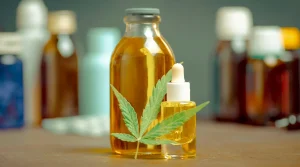
CBD – What You Need to Know About Benefits, Uses, and Risks

Cannabidiol or CBD is one of the most fashionable wellness ingredients. CBD is a nonpsychoactive compound that is present in cannabis alongside THC and thus it does not have any high. Instead, it can offer various health benefits, including pain relief, improved mood, and disease maintenance of certain diseases.
As a survey by Healthline conducted in 2023 reveals, almost a quarter of adult U.S. citizens have already used or consider using CBD, which demonstrates that the number of people interested in the health effects of this compound is increasing.
What is CBD?
CBD is a cannabinoid of cannabis sativa plant. Unlike THC, it does not cause intoxication or euphoria. The products manufactured using industrial hemp are ubiquitous and legal at the federal level as long as they contain less than 0.3 percent of THC.
Cannabis used as a source of CBD product can be more potent, nevertheless, hemp can also have beneficial outcomes.
Tip: Do not fail to review the laws of your state regarding the legal use and purchase of CBD.
How Does CBD Work in the Body?
CBD acts on the endocannabinoid system (ECS) – a system of receptors (CB1 and CB2) that are in charge of controlling the following important functions:
- Sleep
- Mood
- Appetite
- Inflammation
- Pain perception
CBD can also influence the serotonin and opioid receptors and activate PPAR- gamma receptors, which can influence the cholesterol, blood sugar, and cell growth.
What Are the Benefits of Using CBD?
Although the research is still in its early phase, there are some studies that show that CBD can be effective to treat:
- Chronic pain (arthritis, neuropathy)
- Inflammation (topical creams)
- Anxiety and depression
- Seizure disorders, such as childhood epilepsy
- Cancer treatment side effects, like nausea and appetite loss
More human trials are needed, but early findings are promising, especially in pain management and neurological support.
Are There Any Risks or Side Effects?
CBD is typically well-tolerated, but side effects can occur, including:
- Dry mouth
- Diarrhea
- Fatigue or drowsiness
- Decreased appetite
CBD may also interact with medications like blood thinners. Your risk of side effects depends on:
- Product potency
- Dosage
- Form of consumption
- Possible drug interactions
Always Choose Lab-Tested CBD
Reputable brands publish Certificates of Analysis (COAs) — third-party lab reports showing the product’s cannabinoid content, potency, and purity. Look for recent COAs (less than 12 months old) when shopping.
For businesses and brands in the wellness space, promoting reliable information and connecting with a wider audience is key. Online stores like Olofly help companies improve their online visibility, reach the right audience, and effectively share educational content, which can boost trust and engagement with customers.
CBD Consumption Methods
CBD is available in several forms to suit different preferences and needs:
1. Topical & Transdermal
- Balms, lotions, creams, oils, salves, patches
- Applied directly to the skin for localized relief
- Topical: stays on the skin
- Transdermal: penetrates into the bloodstream for full-body effects
2. Sublingual
- Tinctures and oils placed under the tongue
- Absorbed through the mouth’s mucous membranes
- Fast onset, especially useful for mood support or pain relief
3. Oral Ingestion
- Gummies, capsules, edibles, drinks, and teas
- Slow onset (1–2 hours), but long-lasting effects
- Edibles are the most popular CBD format among users
4. Inhalation
- Smoking CBD-rich cannabis or vaping CBD oil
- Fastest absorption, but with higher health risks, such as lung irritation
- Not recommended for those with respiratory conditions
CBD Dosage: How Much Should You Take?
A 2020 review found that up to 3,500 mg per day of oral CBD is generally well-tolerated. However, experts recommend:
“Start low and go slow.”
Begin with the lowest suggested dose on the product label. Increase only as needed, and consult a doctor if you take medications or have liver conditions.
Is CBD Legal in the United States?
CBD that is derived from hemp with <0.3% THC is now legal at the federal level thanks to the 2018 Farm Bill. Nonetheless, the CBD products containing more than 0.3% of THC are still illegal on the federal level.
State laws vary, and the FDA does not approve over-the-counter CBD products. Always verify regulations if you travel or plan to buy CBD online.
Final Thoughts
The health benefits of CBD are pain relief, improved sleep, and mental health. However, quality products should be selected, the potential side effects should be learned, and it should be discussed with a healthcare provider before its use.
Regardless of the kind of CBD that you decide to use, be it a cream to relieve your arthritis, a gummy to deal with your stress, an oil to help you sleep, ensure that it is a safe product that has been tested in a laboratory and suits your style and health needs.
FAQs
So what is CBD and what is the distinction between CBD and THC?
Cannabidiol (CBD) is a psychoactive compound found in cannabis plant. Unlike THC (Tetrahydrocannabinol), CBD doesn’t cause a “high.” It is accompanied by future health advantages without influencing your mental condition.
Is CBD legal in the United States?
Yes, the 2018 Farm Bill allows hemp CBD products with less than 0.3 percent of THC to be legalized on a federal level. However, CBD legal status varies depending on the state, so it is required to check local jurisdiction and particularly in case of travelling.
What health conditions can CBD help with?
Initial studies indicate that CBD can be used in treating chronic pain, inflammation, anxiety, insomnia, epilepsy and even cancer treatment side effects. These benefits have to be confirmed through more scientific research however.
Are there any side effects of using CBD?
Yes. Dry mouth, drowsiness, fatigue, loss of appetite, or diarrhea may be experienced by some users. CBD may also react with some drugs, and this is why it is always advisable to consult your doctor first before taking it.
What is the best way to take CBD?
CBD is available in various forms such as gummies, oils, tinctures, capsules, creams, and vape products. The most appropriate way will be determined by what you want to achieve and how fast you want to experience the effects.
Can you overdose on CBD?
CBD is safe to consume and no deaths have been recorded as a result of overdose. Nevertheless, when very large doses are used then there is a risk of side effects. Never exceed the recommended dose of products and begin with a small dose.
Does CBD show up on a drug test?
CBD isolate is not supposed to be detected in a drug test, although there may be traces of THC in some products, making them potentially test positive. To prevent this, take THC-free (broad-spectrum or isolate) CBD and look at the lab results (COA).
Is CBD safe for children?
CBD can be administered under medical supervision of a physician on children with some conditions such as epilepsy. CBD is one of the constituents of the FDA-approved drug Epidiolex that is used to treat a childhood seizure disorder. Never give CBD to children without a doctor’s advice.
Can I take CBD while on other medications?
There is a possibility that CBD will interfere with other drugs, particularly blood thinners, antidepressants, and seizures. You should not add CBD to your routine without talking to your medical practitioner.
What does it take to know that a CBD product is safe?
Discover products that are tested in the lab by a third party and a Certificate of Analysis (COA). The COA should guarantee that the product has the correct proportion of CBD in it, the level of THC, and that the product does not contain harmful elements like pesticides and heavy metals.