How Uniforms Are Evolving Beyond Dress Codes
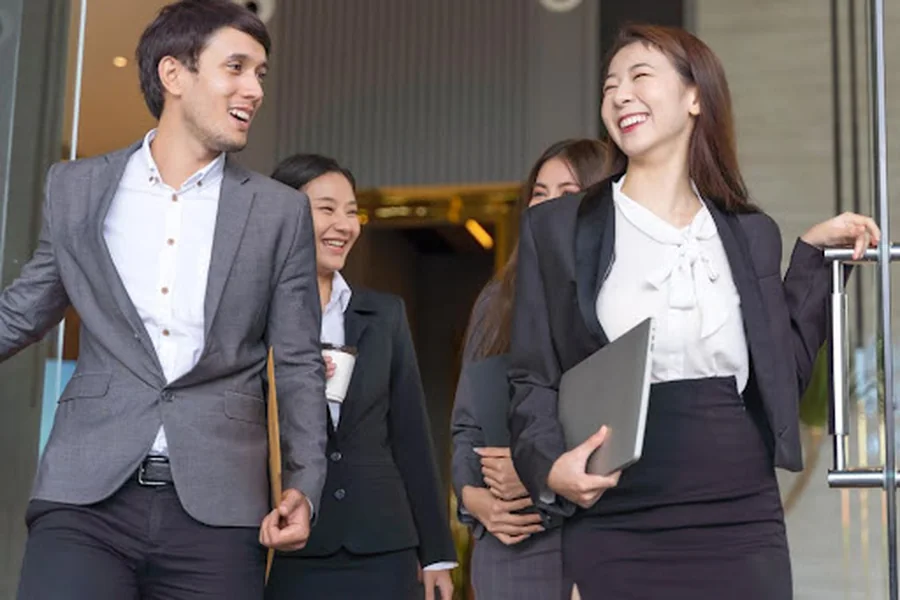
Uniforms were once simple. They followed strict rules. They focused on appearance and discipline. Today that idea is changing. Companies now see uniforms as tools for comfort, health, and performance.
From hospitals to corporate offices, dress codes are becoming more flexible. Modern designs focus on movement, breathability, and mental well being. Brands like ยูนิฟอร์ม are part of this shift. They combine professional style with health conscious materials that support daily wear.
Uniforms are no longer only about control. They are about care. They reflect workplace culture and employee needs. Let us explore how uniforms are evolving beyond traditional dress codes.
The Shift From Authority to Well Being
In the past uniforms symbolized authority. Police officers, military staff, and corporate workers wore structured outfits that projected discipline. Comfort was rarely a priority.
Today the focus has shifted. Businesses understand that uncomfortable clothing affects mood and productivity. Tight collars and heavy fabrics can cause stress. Poor ventilation can lead to skin irritation. These issues impact both physical and mental health.
Modern uniform design considers:
- Breathable materials
- Flexible fits
- Lightweight construction
- Skin friendly fabrics
When employees feel comfortable they work better. They interact with confidence. They experience less fatigue.
This shift shows that uniforms now serve the person wearing them. Not just the organization.
Health Focused Fabrics and Smart Materials
Fabric technology has been the largest transformation in uniform evolution. High technology fabrications have become hygienic and comfortable.
Damp cloth fabrics prevent the amount of sweat. This aids in avoiding rashes and discomfort of the skin. There are antimicrobial fabrics that reduce the growth of bacteria. Particularly, that is relevant in the healthcare and food industries.
Protective fabrics made of UV are also gaining popularity. Outside employees have increased sun protection. This will minimize skin damage in the long term.
Elastic mixtures enhance movement. Hospitality and manufacturing employees feel free to move around. Less physical limitation will decrease the stress in muscles and enhance posture.
Another major trend is sustainable fabrics. Recycled fibers and organic cotton have less effect on the environment. This helps in personal and environmental well-being.
Modern day uniforms are meant to be body compatible. Not against it.
Mental Health and Workplace Identity
Dress has an impact on psychology. The way we dress has an effect on the way we live. Well-fitting uniforms that appear contemporary increase the self esteem.
Previous dress code did not take into account individual identity. They were all dressed in the same constricted pattern. Subtle customization is now available in companies. Employees have the option of various fits or sleeve options.
This little liberty generates a feeling of identity. Workers feel respected. They feel seen.
Color psychology is not an exception. Soft tones reduce stress. Fashionable hues in the healthcare uniforms are usually calm. Bright colors promote the vigor of artistic sectors.
Morale increases when the uniforms match with the values of the company and comfort of the employees. Dress policy is added to mental health.
Function Meets Flexibility
The work environments are evolving. Remote working and hybrid arrangements have an impact on standard design. Smart casual uniforms are being favored in some industries. These are professional look as well as relaxed comfort.
Waistbands and polos made of breathable materials and anti-wrinkle clothes are becoming common. Employees do not have to suffer discomfort when they switch working in offices to the field.
Scrubs now have ergonomic cuts in the healthcare setting. They have several pockets with functionalities. But still they are light and non-abrasive.
Flexible knit jackets are being used as a substitute of in-corporate blazers that are structured. These have a smooth appearance but are not rigid.
The idea is simple. A uniform should be adjustable to work. It has to be able to hold long hours and other activities.
Rigid dress codes are fading. The applied design is supplanting it.
Sustainability and Ethical Responsibility
Health does not begin and end with the individual. It extends to the planet. Green uniforms mitigate environmental pollution.
Most companies now prefer environmentally friendly inks and non-impact processes of production. Less exposure to chemicals is good to workers who wear the clothes on a daily basis.
It is also important to have ethical sourcing. When their company promotes responsible production, the employees feel proud. The pride affects mental well being.
Stable materials minimize wastage. Long uniforms imply the reduction of replacements. That minimises environmental pollution.
This is a strategy of relating health at the workplace to health in the environment. The two are vital in long term sustainability.
Technology Integration in Modern Uniforms
Uniform design is gradually being penetrated by technology. Smarter clothes have the ability to detect temperature in the body. Certain industries are testing the use of wearable sensors made out of fabric.
Textiles react to temperature. Fibers used in insulation are warmer in low temperatures. These inventions save the lives of workers in harsh environments.
Even design software contributes to it. 3D modeling will guarantee a more suitable fit and less waste in production.
Performance tracking and improved comfort solutions will be a part of the future of uniforms. All these developments indicate that dress codes are no longer fixed rules. They are dynamic systems that are constructed around health and efficiency.
Final Thought
The uniforms have come a long way down the road. They used to consider discipline and control only. Nowadays they are focused on comfort, health, sustainability, and identity.
Physical well being can be supported by physical uniforms that are breathable and have a functional design. They improve mental health as they bring confidence and a sense of belongingness. Environmental protection is through eco-friendly materials.
Dress codes are taking the form of a dress care policy. It is no longer enough to appear professional. It is to be healthy and at the same time professional.
As work places keep evolving uniforms would keep evolving. The future will be in the designs that feel the respect to the worker and the world.
FAQs
- Why are modern uniforms more health focused?
Companies now understand that comfort affects productivity. Breathable and antimicrobial fabrics reduce skin issues and fatigue. - How do uniforms impact mental health?
Well fitted and modern uniforms boost confidence. They create a sense of belonging and reduce stress caused by discomfort. - Are sustainable uniforms better for health?
Yes. Eco friendly fabrics often use fewer harsh chemicals. This lowers skin irritation risk and supports environmental health. - What industries benefit most from updated uniforms?
Healthcare, hospitality, manufacturing, and corporate sectors all benefit. Each industry requires comfort and functionality. - Will technology change uniforms further?
Yes. Smart fabrics and wearable technology are already influencing design. Future uniforms will likely include more health monitoring features.