Comparing Growth Hormone-Releasing Peptides and Appetite-Related Peptides
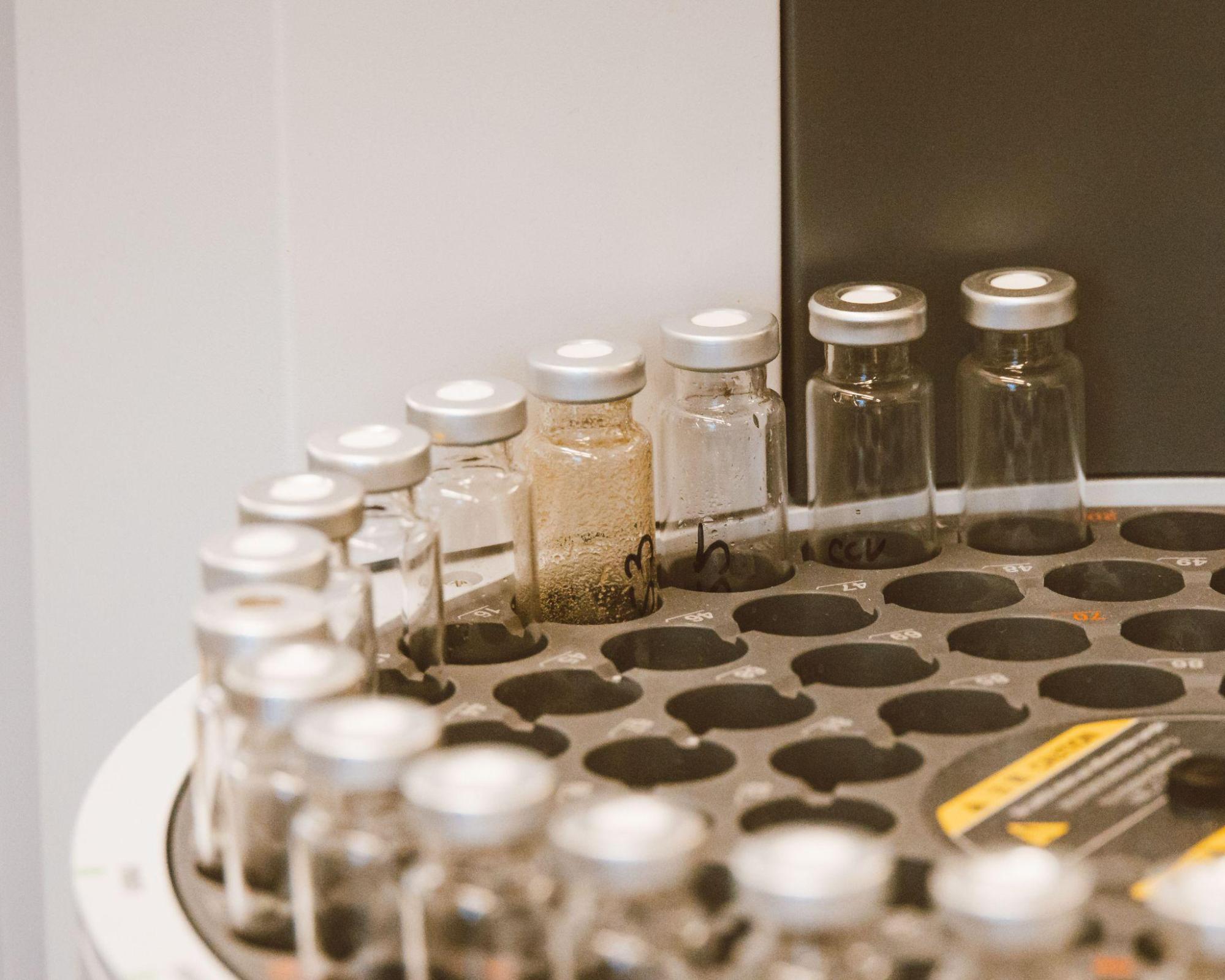
Peptide research has expanded far beyond the study of isolated hormones or individual signaling molecules. Today, researchers investigate peptides across numerous physiological systems, from tissue repair and immune regulation to metabolism and endocrine function. Two of the most established categories are growth hormone-releasing peptides and appetite-related peptides.
Although these groups are sometimes discussed together, they answer very different scientific questions. Growth hormone-releasing peptides are primarily investigated for their influence on the somatotropic axis, which is the hormonal network involving growth hormone (GH) and insulin-like growth factor-1 (IGF-1).
Appetite-related peptides, on the other hand, are studied because of their roles in energy balance, nutrient sensing, satiety, glucose regulation, and metabolic homeostasis.
What Is the Connection Between Growth Hormone and Appetite?
Growth hormone and appetite are regulated by distinct physiological systems, yet they are closely interconnected through the body’s broader network of metabolic and endocrine signaling. Rather than operating independently, these pathways continually exchange information to help maintain energy balance, nutrient utilization, and overall metabolic homeostasis.
Growth hormone (GH) is secreted by the anterior pituitary gland under the influence of growth hormone-releasing hormone (GHRH) and somatostatin. Its release occurs in pulses and is influenced by numerous physiological factors, including sleep, exercise, nutritional status, and stress. Once released, GH stimulates the production of insulin-like growth factor-1 (IGF-1), primarily in the liver, contributing to protein metabolism, lipid utilization, tissue maintenance, and other anabolic processes.
Appetite regulation is coordinated through an equally sophisticated network involving the hypothalamus, gastrointestinal tract, pancreas, adipose tissue, and central nervous system. Hormones such as GLP-1, GIP, amylin, ghrelin, leptin, insulin, and peptide YY continuously relay information about nutrient intake, satiety, glucose availability, and overall energy status.
These systems intersect at multiple levels. Nutritional status directly influences growth hormone secretion, while growth hormone itself affects glucose metabolism, fat oxidation, and body composition. Likewise, appetite-regulating hormones determine nutrient availability, indirectly shaping endocrine responses that influence growth, repair, and metabolic adaptation.
This extensive cross-talk explains why researchers increasingly study growth hormone signaling alongside appetite regulation rather than treating them as isolated biological processes.
As interest in growth hormone-releasing peptides continues to expand, access to well-characterized research materials becomes increasingly important. Researchers can get tesamorelin for sale from Eternal Peptides, a leading U.S. supplier of high-purity peptides with third-party testing and Certificates of Analysis available.
Growth Hormone-Releasing Peptides in Research
Growth hormone-releasing peptides encompass several classes of investigational compounds designed to stimulate endogenous growth hormone release rather than supplying growth hormone directly. By activating the body’s own endocrine signaling pathways, these compounds provide researchers with valuable tools for studying hormone regulation under more physiologically relevant conditions.
One important group consists of GHRH analogs, such as Tesamorelin and Sermorelin. These peptides mimic the action of naturally occurring growth hormone-releasing hormone by stimulating receptors within the anterior pituitary. Researchers frequently use them to investigate endocrine physiology, pulsatile GH secretion, downstream IGF-1 signaling, and feedback regulation within the somatotropic axis.
Another major category includes growth hormone secretagogues (GHSs), such as Ipamorelin, which stimulate growth hormone release through the growth hormone secretagogue receptor (GHS-R). Although both GHRH analogs and GHSs ultimately influence GH secretion, they do so through distinct receptor systems, allowing researchers to compare complementary mechanisms involved in endocrine regulation.
Growth hormone-releasing peptides have become valuable research tools because they enable scientists to investigate the body’s own hormonal control systems rather than introducing exogenous growth hormone. This makes them particularly useful for studying endocrine feedback loops, hormone pulsatility, metabolic adaptation, and the complex relationship between GH and IGF-1.
Their importance also highlights how diverse peptide science has become. While some laboratories focus on endocrine peptides such as Tesamorelin or Ipamorelin, others investigate metabolic compounds that act through entirely different pathways. Researchers looking to buy cagrilintide peptide for a different research approach, such as exploring the role of amylin analogues in metabolic research, can get high-purity formulations from Bluum Peptides.
Bluum Peptides is among the suppliers that offers high-purity cagrilintide supported by batch-specific analytical documentation, giving researchers access to newer peptide classes as the field continues to expand beyond traditional growth hormone research.
Appetite-Related Peptides in Research
Appetite-related peptides represent one of the fastest-growing areas of peptide research, driven largely by advances in metabolic physiology and our expanding understanding of energy homeostasis.
Unlike growth hormone-releasing peptides, these compounds primarily target hormones involved in appetite regulation, nutrient sensing, gastric emptying, glucose metabolism, and energy balance.
One of the best-known families includes glucagon-like peptide-1 (GLP-1) receptor agonists, which have become central to metabolic research. More recently, investigators have expanded their focus to dual- and triple-receptor agonists that simultaneously engage multiple signaling pathways, reflecting a broader systems biology approach to metabolic regulation.
Another important category includes amylin analogs, which are being investigated for their roles in satiety signaling and postprandial physiology. Together, these peptide families allow researchers to explore how hormonal communication influences feeding behavior, insulin secretion, gastric motility, and nutrient utilization.
Rather than viewing appetite simply as hunger, modern research considers it part of a highly integrated regulatory network involving the brain, gastrointestinal tract, pancreas, liver, adipose tissue, and skeletal muscle. Appetite-related peptides therefore serve as valuable tools for investigating whole-body metabolic coordination rather than isolated feeding behavior alone.
Growth Hormone-Releasing Peptides vs Appetite-Related Peptides
Although both categories belong to the broader field of endocrine research, they investigate fundamentally different biological systems.
| Characteristic | Growth Hormone-Releasing Peptides | Appetite-Related Peptides |
| Primary physiological system | Somatotropic (GH/IGF-1) axis | Metabolic and energy homeostasis pathways |
| Primary biological objective | Regulate endogenous growth hormone secretion | Regulate appetite, satiety, and nutrient utilization |
| Representative peptide classes | GHRH analogs, GH secretagogues | GLP-1 receptor agonists, amylin analogs, dual/triple agonists |
| Primary receptors studied | GHRH receptor, Growth Hormone Secretagogue Receptor (GHS-R) | GLP-1 receptor, Amylin receptor, GIP receptor and related pathways |
| Major downstream signaling | GH release, IGF-1 production, anabolic signaling | Glucose regulation, gastric emptying, satiety signaling, insulin response |
| Common research focus | Endocrinology, hormone regulation, protein metabolism, body composition | Metabolic physiology, obesity biology, glucose homeostasis, energy balance |
| Primary organs involved | Pituitary gland, liver, skeletal muscle | Brain, pancreas, gastrointestinal tract, liver, adipose tissue |
| Key biological question | How is endogenous growth hormone regulated? | How is energy intake and metabolism regulated? |
| Role in systems biology | Hormonal adaptation and endocrine regulation | Integrated metabolic communication between organs |
| Research emphasis | Hormone signaling and endocrine physiology | Metabolic regulation and nutrient sensing |
The comparison illustrates that these categories should not be viewed as alternatives. Each investigates different physiological processes using different signaling pathways, receptors, and biological models.
How to Choose the Right Peptide for Your Research
Selecting an appropriate peptide begins with defining the biological question rather than choosing the most widely discussed compound.
Researchers investigating pituitary physiology, endogenous growth hormone secretion, IGF-1 regulation, endocrine feedback mechanisms, or hormone pulsatility typically focus on growth hormone-releasing peptides because these compounds directly target the somatotropic axis.
By contrast, researchers studying glucose regulation, appetite signaling, gastric physiology, nutrient sensing, obesity biology, or metabolic adaptation generally select appetite-related peptides because they interact with the hormonal systems governing energy homeostasis.
Beyond selecting the peptide itself, researchers should also consider the practical aspects of experimental design. Published literature, receptor pharmacology, formulation recommendations, and appropriate reconstitution protocols all contribute to reliable laboratory work.
For lyophilized peptides requiring repeated withdrawals after reconstitution, laboratory-grade bacteriostatic water is commonly used because its antimicrobial preservative helps reduce the risk of microbial contamination during routine handling. Researchers seeking a dedicated source for this laboratory reagent can obtain high-purity bacteriostatic water from the Bacteriostatic Water Store, a specialized supplier focused exclusively on research-grade bacteriostatic water and consistent quality standards.
Final Thoughts
Growth hormone-releasing peptides and appetite-related peptides illustrate how diverse peptide science has become. Although both belong to the broader landscape of endocrine and metabolic research, they investigate distinct yet interconnected physiological systems that regulate growth, nutrient utilization, body composition, and energy balance.
As scientific understanding continues to evolve, researchers are increasingly moving beyond isolated pathways and embracing systems biology, recognizing that hormones, metabolism, and cellular signaling operate as integrated networks rather than independent processes. Understanding these relationships provides a stronger framework for interpreting peptide research and selecting appropriate investigational tools for future studies.