Why a Customized Skincare Plan Delivers Better Results
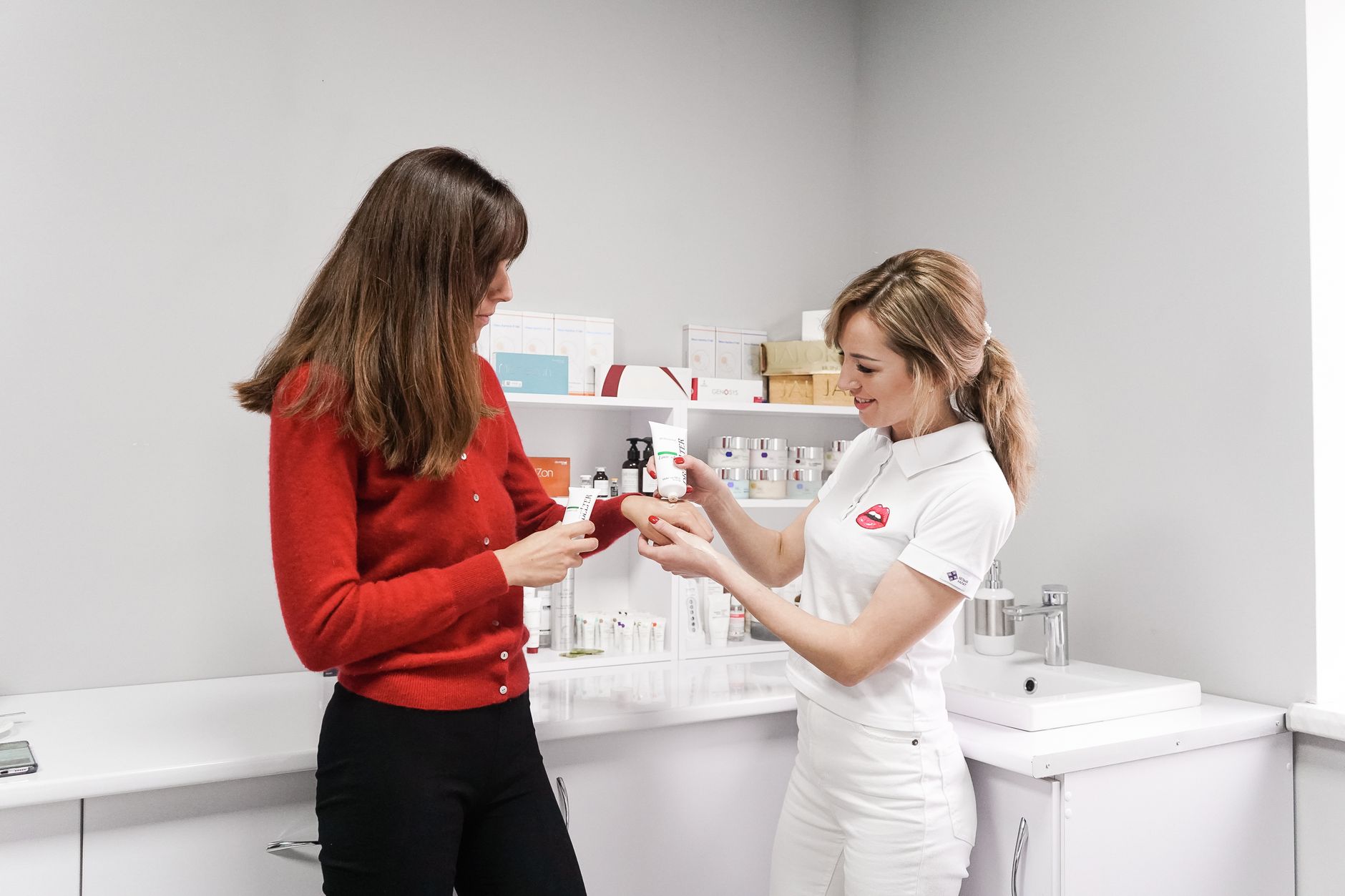
Most people spend years cycling through cleansers, serums, and moisturizers that promise everything and deliver nothing. The products work fine for someone, just not for them. And that gap between “works for most people” and “works for you” is exactly where generic skincare falls apart.
The good news is that skincare stops being a guessing game the moment you treat your skin as an individual thing rather than an average. A personalized plan built around your actual skin type, triggers, and goals cuts through the trial and error and gets you to results faster.
Why One-Size-Fits-All Skincare Falls Short
Walk down any pharmacy aisle, and you will find hundreds of products aimed at “normal to dry” or “combination skin,” as if those two categories cover everyone. They do not. Generic formulas are built around a statistical middle ground, which means they are optimized for nobody in particular. If your skin leans oily in the T-zone but flaky around the cheeks, a product designed for one or the other will address half your problem at best.
The issue goes beyond skin type, too. Mass-market products routinely include synthetic fragrance, alcohol, and cheap fillers that bulk up the formula without adding real benefit. For people with sensitive or reactive skin, those ingredients do not just fail to help; they actively cause problems. You end up with a product that triggers the exact thing you were trying to treat.
Staff at the Wayzata beauty lab regularly point out that the majority of new clients arrive having used the wrong products for years, often based on nothing more than a label claim or a friend’s recommendation. Without any real assessment, there is no way to know whether a product suits your skin or simply has not caused visible damage yet.
A wrong product match also makes it nearly impossible to track progress. When nothing seems to be working, most people switch products too fast, before anything has had time to settle. That cycle drags on indefinitely and leaves people more confused about their skin than when they started.
The Role of Skin Type and Tone in Product Selection
Skin type is the most obvious starting point for any personalized routine, and it also gets misread more often than you would expect. People self-diagnose as dry when they are actually dehydrated, or as oily when their skin is overproducing sebum in response to a stripped moisture barrier. Those are related but distinct problems, and they call for very different fixes. Getting the diagnosis wrong means the treatment makes things worse.
Skin tone adds another layer of complexity, particularly when it comes to brightening and pigmentation-correcting products. Ingredients that work well on lighter skin tones can cause post-inflammatory hyperpigmentation on deeper ones if not carefully selected. Melanin-rich skin also reacts differently to certain acids and retinoids, so a product that gets rave reviews across the board may produce completely different outcomes depending on who is using it.
You see, hormonal shifts change everything. Pregnancy, menopause, and even a stressful few weeks at work can push skin from one type to another. A routine built around how your skin behaved two years ago might be completely out of step with what it needs right now. Skin is not static, and a skincare plan that treats it as fixed will always be playing catch-up.
All of this makes product selection a far more specific task than most people realize going in. The right cleanser for one person is the wrong one for another, even if they share a general skin type. Matching products to the actual combination of skin type, tone, and current condition is what makes the difference between seeing results and spending money on things that sit on the shelf.
How a Customized Plan Addresses Root Causes
Generic products treat symptoms. A redness-reducing serum calms the surface while the underlying cause keeps working. A customized plan works differently because it starts with why your skin behaves the way it does and then works backward from there. That might mean identifying a compromised skin barrier, chronic dehydration, excess sebum production, or an ingredient sensitivity, depending on what the assessment turns up.
A proper skin assessment changes what you buy and how you use it. Products get sequenced correctly, which matters more than most people expect. Layering retinol over an AHA, or applying a vitamin C serum on top of a niacinamide-heavy moisturizer without understanding how they interact, can neutralise both ingredients or cause irritation. A personalized plan accounts for those interactions from the start.
Also, addressing root causes shortens timelines. When you use the right products in the right order for your actual skin condition, you are not waiting three months for something only marginally suitable to produce marginal results. You are giving your skin what it specifically needs, and it responds accordingly. The difference in how quickly things shift is one of the most commonly reported changes people notice after switching to a custom routine.
There is also a financial argument. Buying targeted products for your real skin condition costs less over time than buying and discarding products that sound promising. Most people have at least a shelf or a drawer full of half-used bottles that never worked out. A plan built around root causes eliminates most of that waste because the selection process starts with your skin, not with what happens to be popular.
Building a Routine That Evolves With Your Skin
Skin changes, and any routine that does not account for that will eventually stop working. The shift from summer to winter alone can flip a balanced complexion into a dry, reactive one as humidity drops and central heating kicks in. A routine built in July may be doing more harm than good by November. Building in seasonal reassessment is not optional; it is just part of managing skin over the long term.
Life events change things, too. Pregnancy, new medications, a significant diet change, or a prolonged period of poor sleep all leave marks on the skin. A static routine has no mechanism for catching those changes early. A personalized plan, by contrast, gives you a baseline to compare against, making it much easier to spot when something is shifting and to adjust before a minor issue becomes a stubborn one.
Regular check-ins with a skincare professional are what keep a customized routine from going stale. Those sessions are not just about buying new products; they are about tracking how your skin has responded to what you have been using and deciding what to carry forward, change, or drop entirely. You get a record of what worked and what did not, which is genuinely useful information that a generic routine never generates.
The other thing that evolves is your own understanding of your skin. Most people start a personalized plan knowing very little about what their skin actually needs and finish their first year with a solid read on their triggers, their seasonal patterns, and which ingredients consistently deliver. That kind of knowledge makes every future decision easier and faster, and it compounds in a way that no off-the-shelf routine ever does.
Wrap Up
Personalized skincare is not a luxury reserved for people with complex skin conditions. It is simply a smarter way to approach something most people already spend time and money on. The difference is whether that time and money go toward products chosen for your skin or products chosen for everyone.
A customized plan gives you a clearer starting point, fewer wasted purchases, and results that actually reflect your skin’s real needs rather than an average. Once you have that foundation in place, the guesswork largely disappears, and your routine becomes something that works with your skin rather than against it. For more helpful insights and practical resources, visit gramernest.com.