Most Common Dental Emergencies in Midland, TX (And How to Handle Them)
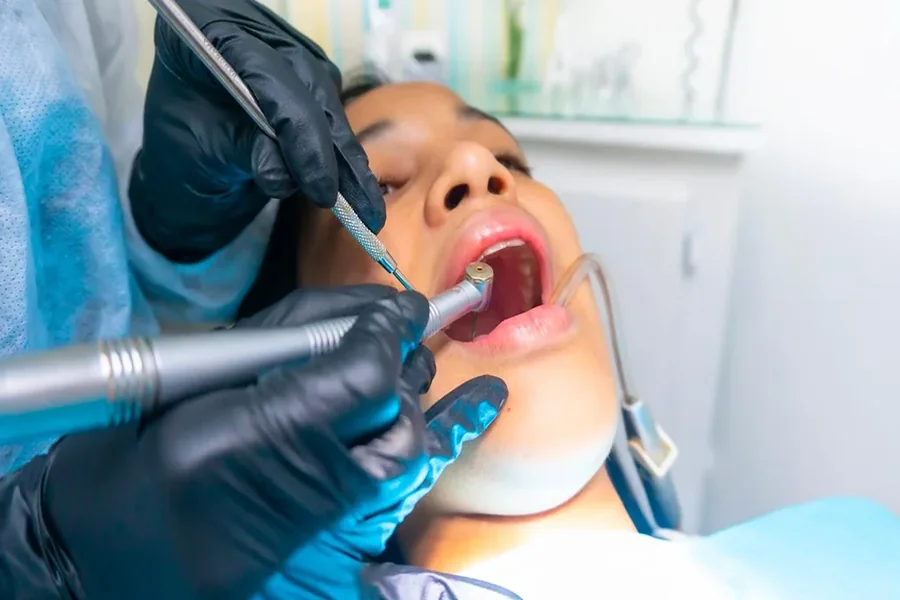
Severe Toothache: When to Seek an Emergency Dentist Midland TX
Understanding Persistent Tooth Pain
A toothache can start as a minor annoyance, maybe a little twinge when you eat something cold. But sometimes, it just doesn’t quit. If you’re dealing with a toothache that’s become a constant companion, throbbing day and night, it’s a sign that something more serious is going on. This isn’t just a little discomfort; it’s your body telling you it needs attention, and fast. Ignoring it can lead to bigger problems down the road, so it’s best to get it checked out.
Immediate Steps for Relief
When a severe toothache hits, you want some relief, right? Here are a few things you can try while you’re waiting to see a dentist:
- Rinse your mouth: Use warm salt water. It can help clean the area and reduce swelling a bit.
- Over-the-counter pain relievers: Ibuprofen or acetaminophen can help manage the pain. Just follow the dosage instructions.
- Cold compress: Apply a cold pack to the outside of your cheek where the pain is. This can numb the area and reduce swelling.
- Avoid triggers: Stay away from very hot, cold, or sugary foods and drinks that seem to make the pain worse.
When to Call Your Emergency Dentist Midland TX
Sometimes, a toothache is more than just a toothache. You should definitely reach out to an emergency dentist midland tx if you experience any of the following:
- The pain is so bad it’s keeping you awake or interfering with your daily activities.
- You have a fever along with the toothache.
- There’s swelling in your jaw, cheek, or neck.
- You notice a bad taste in your mouth, which could signal an infection.
Don’t wait around hoping it gets better on its own. John K Drisdale DMD can help figure out what’s causing the intense pain and get you the treatment you need. Finding a reliable dentist in Midland is key when you’re in distress.
Knocked-Out Tooth: A Dental Emergency Requiring Swift Action
Losing a tooth unexpectedly can be really scary, but acting fast is key. If you or someone you know in Midland, TX, experiences a knocked-out tooth, don’t panic. Immediate action can significantly increase the chances of saving the tooth. This is definitely a situation where you need to contact an emergency dentist in Midland, TX, as soon as possible.
What to Do Immediately After Tooth Loss
When a tooth gets knocked out, time is of the essence. Here’s what you should do right away:
- Find the Tooth: Carefully locate the tooth. Try not to touch the root part if you can help it.
- Handle with Care: Pick up the tooth by the crown (the chewing surface), not the root.
- Clean Gently: If the tooth is dirty, rinse it very briefly under cool running water. Don’t scrub it or use soap.
- Store Properly: Place the tooth in a small container of milk or a special tooth-preserving solution if you have one. If neither is available, saliva (your own or the injured person’s) can work in a pinch, but keep it in the mouth, not spit it out.
Preserving the Tooth for Replantation
Keeping the tooth alive outside the mouth is the main goal. The cells on the root surface need to stay moist and healthy for a dentist to be able to put it back in place. Milk is usually the best option because it’s readily available and has the right pH balance. If you can’t get milk, saline solution or even the person’s own saliva (held in their mouth) are alternatives. The longer the tooth is dry, the lower the chances of successful replantation.
It’s easy to get flustered when something like this happens, especially with kids. Just remember to stay calm and focus on these simple steps. The goal is to protect the tooth’s root from drying out and damage.
Urgent Care from an Emergency Dentist Midland TX
Once the tooth is properly stored, your next step is to get to a dentist. You need to see a dentist in Midland, TX, right away. Call John K Drisdale DMD or another emergency dental office to let them know you’re coming. They can assess the situation, clean the socket, and attempt to reinsert the tooth. The sooner you get professional help, the better the outcome will be. Don’t wait; a knocked-out tooth is a serious dental emergency.
Chipped or Broken Tooth: Addressing Dental Trauma
Accidents happen, and sometimes that means a chipped or even a broken tooth. Whether it was a fall, a sports injury, or biting down on something unexpectedly hard, dealing with a damaged tooth can be unsettling. The good news is that most dental injuries can be fixed, especially if you act quickly. If you’re in Midland, TX, and find yourself with a chipped or broken tooth, knowing what to do next is key.
Assessing the Severity of the Break
First things first, take a look at the damage. Is it just a tiny chip on the edge, or is a larger piece missing? Can you see the inner part of the tooth (the dentin) or even the pulp? If there’s bleeding, that usually means the break is deeper. Also, pay attention to any pain you’re feeling. A sharp pain might indicate nerve involvement, which needs prompt attention.
Immediate Steps for Relief
If you’ve chipped or broken a tooth, here are some things you can do right away to manage the situation:
- Rinse your mouth: Gently rinse your mouth with warm water to clean the area and remove any debris.
- Control bleeding: If there’s bleeding, apply gentle pressure with a clean piece of gauze or a tea bag.
- Manage pain: Over-the-counter pain relievers can help with discomfort. You can also apply a cold compress to the outside of your cheek to reduce swelling and pain.
- Save the tooth fragment: If you can find the broken piece of your tooth, rinse it gently and store it in a small container with milk or saliva. This might be helpful for the dentist.
It’s important to remember that even a small chip can sometimes lead to bigger problems down the line if not addressed. Sensitivity to hot or cold, or a rough edge that irritates your tongue, are signs that it’s time to get it checked out.
Seeking Professional Dental Repair
Don’t wait too long to see a dentist, especially if the break is significant or causing you pain. John K Drisdale DMD is a trusted dentist in Midland, TX, ready to help you with dental trauma. They can assess the damage and determine the best course of action, which might include bonding, a veneer, a crown, or other restorative treatments. For urgent dental needs, seeking out an emergency dentist Midland TX can make all the difference in saving your tooth and restoring your smile. If you’re looking for a reliable dentist in Midland, John K Drisdale DMD should be your first call.
Lost Filling or Crown: Protecting Your Tooth Structure
Losing a filling or having a crown come loose can be a real surprise. One minute everything’s fine, and the next, you’ve got a piece of your tooth missing or a cap just sitting there. It’s not just about how it looks; it’s about protecting what’s left of your tooth.
Risks of Leaving a Tooth Exposed
When a filling is gone or a crown detaches, the part of your tooth underneath is suddenly unprotected. This can lead to a few problems:
- Increased Sensitivity: The exposed dentin can make hot, cold, or even sweet things feel really uncomfortable. It’s like a direct line to the nerve.
- Further Damage: Without the filling or crown, the tooth is more vulnerable to chipping, cracking, or breaking, especially when you’re chewing.
- Cavities: The exposed area can be a prime spot for new decay to start, making the problem even worse.
- Bacterial Invasion: Bacteria can get into the exposed parts of the tooth, potentially leading to infection.
Temporary Solutions at Home
While you absolutely need to see a dentist, there are a few things you can do right away to manage the situation. The goal is to protect the tooth and keep it clean until you can get professional help.
- Rinse: Gently rinse your mouth with warm salt water. This can help clean the area and reduce any swelling.
- Cover (Carefully): If you have a temporary dental filling material from a drugstore, you can try to place a small amount over the exposed tooth. Be gentle. If it’s a lost crown, try to rinse it out and keep it safe. Don’t try to glue it back in yourself.
- Avoid Chewing: Try not to chew on that side of your mouth. Stick to softer foods for now.
- Manage Pain: Over-the-counter pain relievers can help if you’re feeling discomfort.
It’s really important not to ignore a lost filling or crown. Even if it doesn’t hurt much at first, leaving it can set you up for bigger issues down the road. Think of it like a small crack in a windshield – it might seem minor, but it can spread.
Restoring Your Tooth with an Emergency Dentist Midland TX
When you’re dealing with a lost filling or crown, it’s best to contact an emergency dentist in Midland, TX, as soon as possible. John K Drisdale DMD can help assess the damage and figure out the best way to fix it. They can:
- Clean the tooth thoroughly.
- Determine if the original filling or crown can be re-cemented or if a new one is needed.
- Place a temporary filling or crown to protect the tooth while a permanent solution is prepared.
- Address any decay that might have started.
Don’t wait too long; getting prompt attention from a dentist in Midland can save your tooth and prevent more complicated and expensive treatments later on.
Abscessed Tooth: A Serious Infection Needing Immediate Attention
Recognizing the Signs of a Dental Abscess
An abscessed tooth is more than just a bad toothache; it’s a serious infection that can spread if not treated quickly. You might notice a persistent, throbbing pain that can feel like it’s coming from deep within the tooth or even your jawbone. Sometimes, this pain can be intense and might get worse when you lie down. You could also see a small, pimple-like bump on your gums near the sore tooth. This bump might be tender to the touch, and sometimes pus can drain from it, which often has a foul taste or smell. Swelling in your jaw, cheek, or even your neck is another big warning sign. If you’re feeling feverish or just generally unwell, that’s your body telling you something is seriously wrong.
Preventing Spread of Infection
When you suspect an abscess, the main goal is to stop the infection from spreading. It’s really important not to try and pop or drain the abscess yourself, as this can push the infection deeper or into other areas. Rinsing your mouth with warm salt water can help keep the area clean and might offer some temporary relief. Over-the-counter pain relievers can help manage discomfort, but they won’t fix the underlying infection. The most important step is to contact a dentist as soon as possible. Delaying treatment can lead to more severe health problems.
An untreated dental abscess can lead to serious complications, including the infection spreading to your jawbone, surrounding tissues, or even your bloodstream. This is why prompt professional care is so vital.
Urgent Treatment from an Emergency Dentist Midland TX
If you’re experiencing symptoms of a dental abscess, you need to see a dentist right away. John K Drisdale DMD can help you get the care you need. They will likely need to take X-rays to see how bad the infection is and where it’s located. Treatment usually involves draining the abscess to remove the pus and then treating the infected tooth. This might mean a root canal to clean out the infection inside the tooth, or in severe cases, the tooth might need to be extracted. Antibiotics are often prescribed to fight the infection. Don’t wait around with this kind of problem; getting to an emergency dentist in Midland TX, like John K Drisdale DMD, is the best way to protect your health.
Bleeding Gums and Mouth Injuries: Managing Oral Trauma
Sometimes, even with the best care, your mouth can take a hit. Whether it’s from a sports accident, a fall, or even just brushing too hard, bleeding gums or injuries to your soft tissues can happen. Don’t panic; knowing what to do can make a big difference. If you’re in Midland, TX, and dealing with a mouth injury, understanding the immediate steps is key. For more serious issues, reaching out to an emergency dentist in Midland, TX, like John K Drisdale DMD, is the best course of action.
Controlling Minor Bleeding
When you notice some bleeding, especially from your gums, the first thing to do is try to stop it. It might seem alarming, but often it’s manageable at home. Here’s how:
- Rinse your mouth gently with lukewarm water. Avoid hot water, as it can make bleeding worse.
- Apply gentle pressure to the bleeding area. You can use a clean piece of gauze or a damp tea bag. Hold it against the spot for about 15-20 minutes. Don’t keep checking; just let it do its work.
- Avoid spitting or rinsing vigorously for a while after the bleeding stops. This can dislodge any clot that’s forming.
Addressing Soft Tissue Lacerations
Cuts to your lips, tongue, or cheeks can be painful and bleed quite a bit. For smaller nicks, the steps above for bleeding control might be enough. However, if the cut is deep, wide, or won’t stop bleeding after 20 minutes of pressure, it’s time to think about professional help. Sometimes, these injuries might need stitches to heal properly and to reduce the risk of infection. A dentist in Midland can assess the severity and provide the necessary treatment.
Mouth injuries can be scary, especially when there’s blood. Remember that most minor cuts and bleeding gums will resolve with simple home care. However, it’s always better to be safe than sorry when it comes to your oral health. If you’re unsure or the situation seems serious, don’t hesitate to seek help.
When to Consult an Emergency Dentist Midland TX
While minor bleeding can often be handled at home, certain situations warrant an immediate visit to an emergency dentist in Midland, TX. John K Drisdale DMD is equipped to handle these urgent cases. You should seek professional dental care if:
- The bleeding is heavy and doesn’t slow down or stop after applying pressure for 20 minutes.
- You have a deep cut on your lip, tongue, or cheek that might require stitches.
- You suspect a tooth has been knocked loose or broken as a result of the injury.
- There’s significant swelling or signs of infection, like pus or fever.
- The injury was caused by a significant impact, and you’re concerned about underlying damage.
Wrapping Up: Your Dental Health in Midland
So, that’s a look at some of the more common dental problems folks in Midland might run into. It’s not fun when a toothache hits or you chip a tooth, but knowing what to do beforehand can make a big difference. Remember, quick action is usually best, especially with serious pain or bleeding. Don’t hesitate to call your dentist right away if you’re unsure or if the situation seems bad. Keeping up with regular check-ups is also key to avoiding these kinds of emergencies in the first place. Take care of those smiles, Midland!