5 Smile Issues Invisalign Treatment Can Effectively Fix
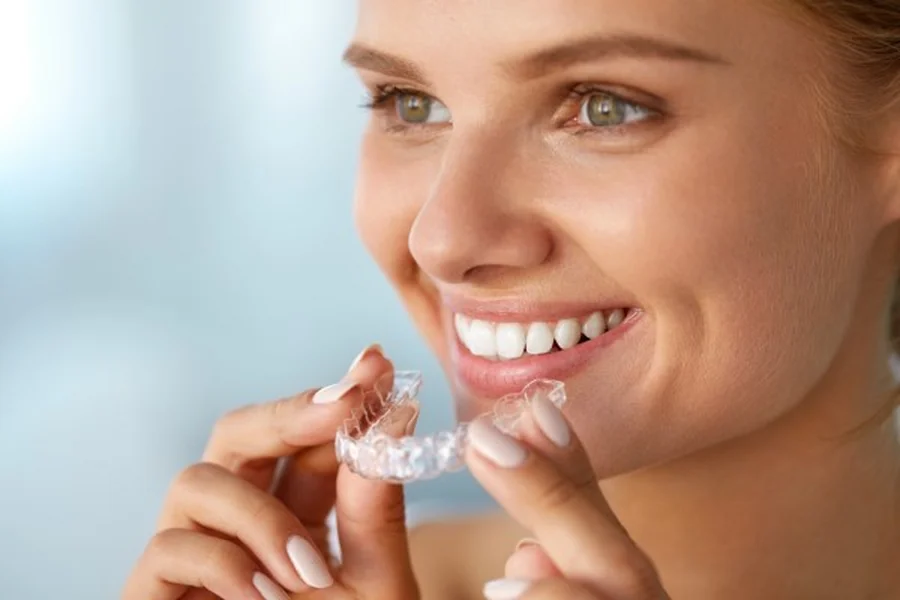
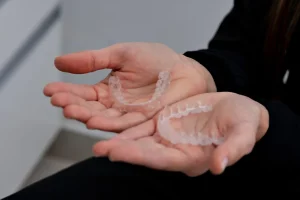
Many people feel unhappy with their smile but assume traditional metal braces are their only option for correction. However, modern dental technology offers a different approach. Invisalign uses clear, removable aligners to treat multiple common dental problems without the look and feel of metal brackets and wires.
This treatment works well for both teens and adults who want to improve their teeth. The clear aligners fit over the teeth and gradually move them into better positions. Each set of aligners makes small adjustments over time. Patients can remove them to eat, brush, and floss, which makes daily life easier compared to fixed braces.
Invisalign can address several types of dental concerns. These range from teeth that sit too close together to bite problems that affect how the upper and lower teeth meet. The treatment provides results for mild to moderate cases while offering comfort and flexibility throughout the process.
Crowded Teeth Correction
Crowded teeth affect many adults and create challenges beyond appearance. This common problem occurs because the jaw lacks enough space for all teeth to fit properly. As a result, teeth may overlap, twist, or push forward out of alignment.
Clear aligners offer an effective solution for this issue. Dental Invisalign treatment in Fort Lauderdale uses custom-made trays that gradually shift teeth into better positions. The aligners apply gentle pressure to create space and move teeth in small steps over time.
The treatment works well for mild to severe cases of crowded teeth. Each aligner set is made specifically for the patient based on digital scans and treatment plans. Patients wear the clear trays for about 20 to 22 hours per day and switch to new sets every one to two weeks.
Most people can remove the aligners to eat and brush their teeth. This feature makes it easier to maintain good oral health during treatment compared to traditional metal braces.
Gaps Between Teeth Closure
Invisalign can close gaps between teeth, which dentists call diastema. These spaces most often appear between the two upper front teeth. However, gaps can develop between any teeth in the mouth.
The clear aligners work by gradually shifting teeth into their proper positions. Each custom-made tray applies gentle pressure to move teeth closer together over time. For small to moderate gaps, Invisalign offers an effective solution.
Treatment time varies based on the size of the gap. Small gaps may close in as little as 6 to 12 weeks. Larger spaces require more time to correct properly.
The clear trays provide a less visible option compared to traditional braces. Patients can remove them to eat and brush their teeth. This makes the treatment more convenient for daily life.
After treatment ends, patients need to wear retainers. This step prevents teeth from shifting back to their original positions. Proper retainer use helps maintain the results long-term.
Overbite Alignment
Invisalign can correct mild to moderate overbites through a series of custom clear aligners. The aligners apply controlled pressure to shift the upper teeth back and move the lower teeth forward. This process gradually reduces the overlap between the top and bottom teeth.
An overbite occurs when the upper front teeth extend too far over the lower teeth. If left untreated, this condition can lead to jaw pain, tooth wear, and gum problems. Some patients may also experience difficulty with chewing or speech.
The clear aligners work differently than traditional metal braces but achieve similar results. They are nearly invisible, which makes them a popular choice for adults and teens who prefer a discreet treatment option. However, the success of Invisalign depends on the severity of the overbite.
Patients with severe overbites may need alternative treatments. An orthodontist can evaluate the specific case and determine if Invisalign is the right solution. Most common overbite cases respond well to this treatment method.
Underbite Adjustment
An underbite occurs when the lower front teeth sit in front of the upper teeth. This condition can affect how a person chews, speaks, and feels about their smile.
Invisalign can fix mild to moderate underbites that result from tooth misalignment. The clear aligners apply gentle pressure to shift the lower teeth back into their correct position. Over time, this gradual movement helps align the bite properly.
However, severe underbites often stem from jaw structure problems rather than just tooth position. In these cases, Invisalign alone may not provide a complete solution. Patients with skeletal underbites might need additional orthodontic treatment or surgical intervention.
A dentist can determine if Invisalign offers the right approach for a specific underbite case. The treatment works best for dental underbites where the teeth need repositioning. With proper case selection and patient compliance, Invisalign delivers effective results for many people who want to correct their underbite without traditional braces.
Crossbite Treatment
A crossbite occurs when the upper teeth sit inside the lower teeth after the mouth closes. This misalignment can affect one tooth or multiple teeth on either side of the mouth.
Invisalign can correct many types of crossbites through controlled tooth movement. The clear aligners work well for mild to moderate cases where the issue is primarily dental rather than skeletal. Each aligner applies gentle pressure to shift teeth into their proper positions.
Treatment typically takes 9 to 15 months, though the exact duration depends on the severity of the crossbite. Patients must wear their aligners for 20 to 22 hours per day to achieve the best results. However, severe skeletal crossbites may require different treatment approaches.
The aligners offer a discreet alternative to traditional braces. Patients can remove them to eat and brush their teeth, which makes daily life easier. After treatment ends, patients need to wear retainers as prescribed to prevent the teeth from shifting back to their original positions.
By successfully addressing a crossbite, you can prevent future dental complications such as uneven tooth wear, jaw pain, and gum recession. According to this dentist who does teeth whitening in Staten Island NY, correcting this misalignment not only enhances the symmetry of your smile but also ensures a more comfortable and functional bite for long-term oral health.
Conclusion
Invisalign offers a proven solution for many common smile problems. This treatment can address gaps, crowding, overbites, underbites, and crossbites with clear aligners that fit your lifestyle. However, not every case works for this method, so a consultation with an orthodontist helps determine if you qualify as a candidate. For those with mild to moderate concerns, Invisalign provides an effective path to a straighter smile without traditional metal braces.