How to Choose Commercial Gym Equipment for a Fitness Center
Selecting the right equipment is one of the most important decisions when designing or upgrading a fitness center. The machines and tools available in a gym shape the user experience, influence training outcomes, and affect the long-term sustainability of the facility. Fitness centers today serve a wide range of individuals, from beginners to experienced athletes, each with different training goals and expectations. Because of this diversity, equipment choices must balance functionality, durability, safety, and adaptability.
In addition, the fitness industry continues to evolve as new technologies and training methods emerge. Gym owners and managers must therefore make informed decisions that support both current trends and long-term operational needs. Choosing appropriate equipment is not simply about filling a space with machines. It involves evaluating training requirements, understanding user behavior, and ensuring that the facility provides a well-structured environment for exercise.
This article explains the key factors that fitness center managers should consider when selecting commercial gym equipment. By focusing on practical criteria such as durability, functionality, space planning, and safety standards, it becomes easier to build a training environment that meets the needs of a broad user base.
Understanding the Role of Modern Gym Equipment
A successful fitness center typically combines different categories of equipment to support varied workout routines. Cardio machines, strength training systems, and functional training tools each contribute to a balanced exercise environment.
When evaluating modern fitness equipment for commercial use, it is helpful to focus on how equipment supports diverse training styles. Cardio machines such as treadmills, stationary bicycles, and rowing machines provide aerobic conditioning. Strength training equipment, including resistance machines and free weights, supports muscle development and functional movement. Functional training tools, such as kettlebells or suspension systems, encourage mobility and coordination.
Modern gym equipment is often designed with improved ergonomics and digital integration. Features like adjustable resistance, performance tracking, and user-friendly interfaces can make workouts more accessible and easier to monitor. However, the primary goal remains the same: enabling users to perform exercises safely and effectively.
Fitness center operators should therefore prioritize equipment that supports proper biomechanics and offers flexible adjustment options. Machines that accommodate users of different heights, body types, and strength levels allow a wider range of individuals to train comfortably.
Durability and Build Quality
Commercial fitness facilities experience heavy daily use. Equipment must withstand repeated operation without frequent repairs or performance decline. Durability is therefore one of the most critical considerations when selecting professional gym machines.
High-quality construction materials, reinforced frames, and reliable mechanical components contribute to the longevity of equipment. Facilities should also consider the availability of maintenance services and replacement parts. Even well-designed machines require routine inspection and occasional servicing.
Durable equipment not only reduces maintenance costs but also improves user satisfaction. When machines function smoothly and consistently, members are more likely to trust the facility and maintain regular workout routines. Conversely, poorly maintained or unreliable equipment can disrupt training sessions and negatively affect the overall perception of the gym.
Evaluating build quality also includes examining moving parts, cables, resistance systems, and upholstery. These elements often experience the most wear and should be designed to withstand long-term usage.
Variety and Training Functionality
Another essential factor in selecting commercial fitness equipment is the variety of training options available within the facility. A well-equipped gym should support different exercise methods and fitness levels.
Cardiovascular training machines form the foundation of many fitness centers. Treadmills, elliptical trainers, and stair climbers allow users to improve endurance and cardiovascular health. These machines should offer adjustable intensity levels so that both beginners and advanced users can benefit.
Strength training equipment is equally important. Resistance machines guide users through controlled movements that target specific muscle groups. Free weights and multi-functional training stations allow more experienced individuals to perform compound exercises and customized workout routines.
Functional training tools also play an increasing role in modern gyms. Equipment such as medicine balls, battle ropes, and stability trainers supports balance, flexibility, and coordination. By incorporating a combination of cardio systems, resistance equipment, and functional training tools, gyms can create a comprehensive workout environment.
Providing diverse training equipment also helps reduce overcrowding in specific workout zones. When multiple training options are available, members can distribute their workouts more efficiently across the facility.
Space Planning and Layout Considerations
The physical layout of a fitness center strongly influences equipment selection. Gym owners must consider available floor space, traffic flow, and safety requirements before installing machines.
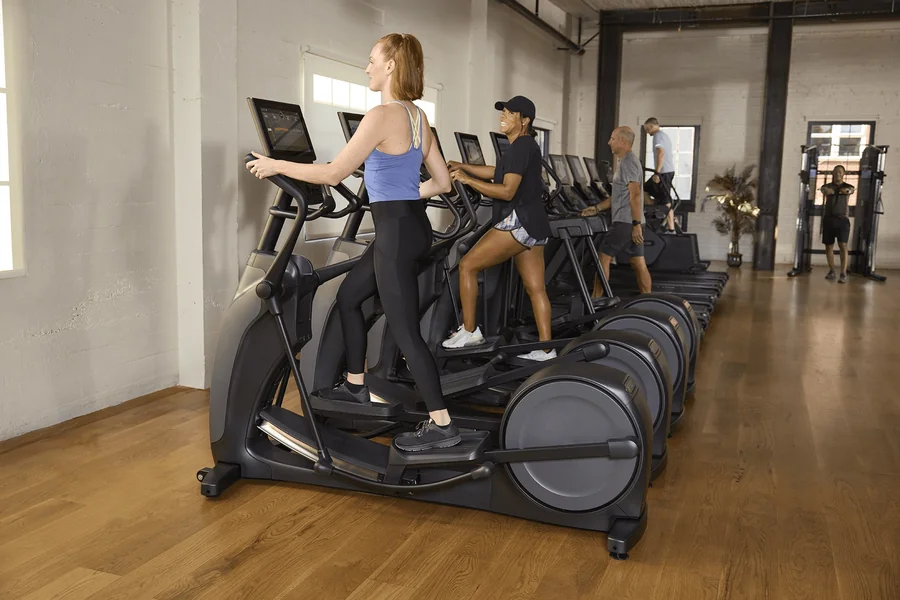
Large cardio machines often require significant space, especially when multiple units are installed in a row. Strength machines also need adequate clearance to allow safe movement during exercises. Proper spacing between machines prevents accidents and ensures that users can train comfortably without interfering with others.
Space planning should also take into account accessibility and visibility. Cardio equipment is often placed near windows or open areas, while strength training zones may be arranged in structured rows or clusters. Functional training areas usually require open floor space to allow dynamic movements.
A well-planned layout contributes to a more organized and efficient training environment. Clear pathways, logical equipment grouping, and sufficient lighting all improve usability within the gym.
Safety and User Experience
Safety remains a fundamental requirement in any fitness facility. Equipment should be designed to minimize injury risks and support proper exercise techniques. Features such as stable frames, non-slip surfaces, and clear instructional markings contribute to safer workouts.
Adjustability is another key element of safe equipment design. Machines that allow easy seat adjustments, handle positioning, or resistance modifications help users maintain correct posture and alignment during exercise.
User experience also plays an important role in equipment selection. Intuitive controls, clear displays, and simple adjustment mechanisms make equipment easier to operate. When machines are straightforward to use, gym members can focus on their workouts rather than struggling with complicated settings.
Fitness centers should also consider accessibility for users with different physical abilities. Equipment that accommodates a wide range of body types and mobility levels ensures that the facility remains inclusive and welcoming.
Conclusion
Choosing the right equipment for a fitness center requires careful planning and a clear understanding of user needs. Gym operators must evaluate several key factors, including equipment durability, training functionality, facility layout, and safety features.
A balanced fitness environment typically includes a combination of cardiovascular machines, strength training systems, and functional training tools. Each category supports different aspects of physical fitness and helps create a well-rounded training experience. Durable construction and reliable components ensure that machines can withstand the demands of daily commercial use.
Space planning also plays a crucial role in equipment selection. Proper machine placement, sufficient spacing, and organized workout zones contribute to both safety and efficiency within the facility. Additionally, user-friendly design and adjustable features make equipment accessible to individuals with varying fitness levels and physical characteristics.
By carefully evaluating these considerations, fitness center managers can create an environment that supports consistent training and long-term member engagement. Thoughtful equipment selection ultimately contributes to a functional, safe, and adaptable fitness facility that meets the needs of a diverse community of users.