All-on-6 Dental Implants in Hungary: Treatment, Costs and Full-Arch Options
All-on-6 Dental Implants in Hungary: A Complete Guide to a Confident New Smile
Losing several teeth can affect much more than your smile. It can make eating difficult, change the way you speak and reduce your confidence. For people who have lost most or all of their teeth, All-on-6 dental implants in Hungary offer a treatment option that can restore both function and appearance.
Hungary has become a popular destination for dental tourism. Patients from the UK and other European countries often consider treatment there because of its established dental clinics, range of implant solutions and competitive prices. However, choosing the right clinic requires more than comparing costs. It is important to understand the treatment process, the materials used and the care available after surgery.
Online platforms such as Booking Dentist can help patients explore clinics, compare treatment options and plan their dental journey. With the right information, patients can make a more confident decision about full-arch dental restoration.
What Are All-on-6 Dental Implants?
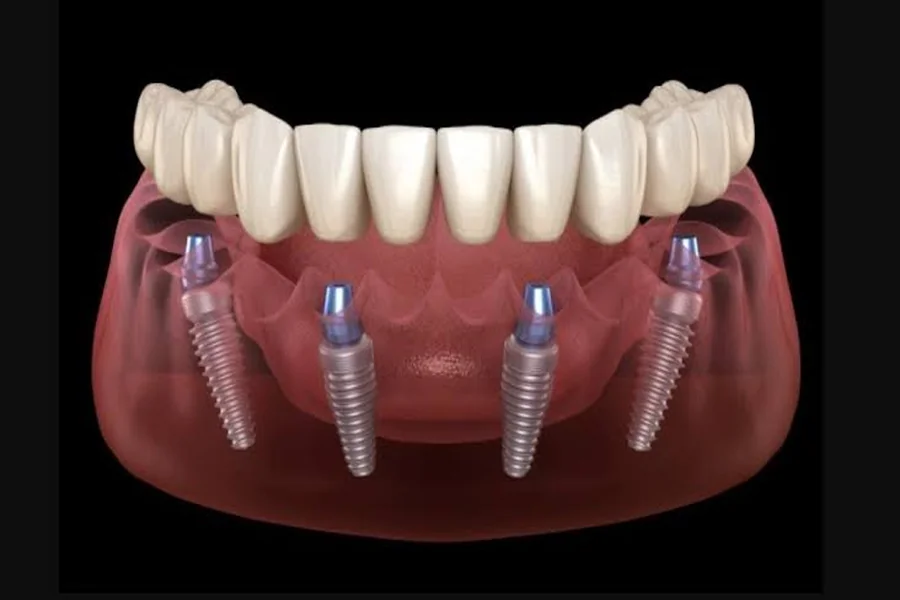
All-on-6 dental implants are a full-arch tooth replacement solution that uses six dental implants to support a fixed bridge. The implants are placed into the jawbone and act as artificial tooth roots. Once the treatment has progressed sufficiently, they support a bridge designed to replace a full row of missing teeth.
Unlike traditional dentures, which rest on the gums and may move during eating or speaking, a fixed implant-supported bridge is secured to the implants. This can provide greater stability and a more natural feeling.
The treatment can be suitable for patients who have lost most or all of their teeth in the upper or lower jaw. It may also be considered when remaining teeth are badly damaged and cannot be saved.
However, All-on-6 dental implants in Hungary are not suitable for everyone. A dentist must assess the patient’s bone quality, gum health, medical history and overall oral condition before recommending treatment.
Why Choose Hungary for Full-Arch Dental Treatment?
Competitive Treatment Costs
One of the main reasons patients consider dental implants in Hungary is the potential to save money compared with treatment in the UK. Dental clinics may offer different pricing structures based on the implant system, bridge material, surgical requirements and services included.
The final price can vary considerably. A low initial quote may cover only the implant surgery, while another package may include temporary teeth, a permanent bridge and follow-up appointments. Patients should compare the full treatment plan rather than looking at the headline price alone.
Experienced Dental Professionals
Hungary has an established dental tourism sector, particularly in cities such as Budapest. Many clinics provide implant dentistry and restorative treatments for international patients.
Before choosing a provider, check the dentist’s qualifications, experience with full-arch rehabilitation and the implant systems used. Ask how often the clinic performs All-on-6 procedures and whether it can share relevant clinical information about the proposed treatment.
Support for International Patients
Some Hungarian dental clinics offer English-speaking staff, online consultations and help with travel arrangements. These services can make it easier for overseas patients to understand their treatment and organise their visits.
Even with this support, patients should plan for recovery time and possible additional appointments. Dental implant treatment is a medical procedure, so travel arrangements must fit the clinical schedule rather than the other way round.
How Does the All-on-6 Treatment Process Work?
1. Initial Consultation and Assessment
The first stage involves a detailed examination of the mouth and jaw. The dentist may use digital X-rays or a 3D scan to assess the available bone and identify suitable implant positions.
Patients should provide details of their medical history, current medicines, smoking habits and any previous dental treatment. These factors can affect healing and treatment success.
A personalised plan should explain whether extractions, bone grafting or other procedures are needed. It should also set out the expected timeline and total cost.
2. Implant Placement
During surgery, the dentist places six implants into the jawbone, where suitable. The exact positions depend on the patient’s anatomy and the planned restoration.
The procedure is usually carried out under local anaesthesia. Sedation may be available for selected patients. The dentist should explain the benefits, risks and suitable options before treatment begins.
Some patients may receive temporary fixed teeth soon after surgery. However, immediate loading is not appropriate in every case. The decision depends on factors such as implant stability, bone quality and the patient’s clinical condition.
3. Healing and Temporary Teeth
Following surgery, the implants need time to integrate with the jawbone. This process is known as osseointegration. It creates the foundation needed to support the final bridge.
During healing, patients may need to follow a soft-food diet and avoid putting excessive pressure on the implants. Good oral hygiene and any prescribed aftercare are also essential.
The healing period varies between individuals. Your dentist should explain when normal eating can resume and which activities should be avoided.
4. Fitting the Permanent Bridge
Once healing and implant stability have been assessed, the dentist can fit the final bridge. Options may include reinforced acrylic, composite-based restorations or ceramic materials, depending on the clinic’s systems and the patient’s needs.
The dentist checks the bite, comfort, appearance and fit. Patients should also receive instructions on cleaning beneath the bridge and attending regular maintenance appointments.
How Much Do All-on-6 Dental Implants Cost in Hungary?
The cost of All-on-6 dental implants in Hungary depends on the clinic, implant brand, restoration material and complexity of the case. The price may also change if the patient needs extractions, bone grafting or other preparatory treatment.
As a broad planning guide, a full arch may cost several thousand euros, with premium or more complex treatments costing more. This is an indicative guide rather than a verified current price list. Patients should request an itemised quotation from their chosen clinic.
When comparing offers, ask whether the price includes:
- Initial consultation and diagnostic scans.
- Six implants and surgical placement.
- Tooth extractions, if required.
- Temporary teeth during healing.
- The final fixed bridge and its materials.
- Anaesthesia, medication and follow-up visits.
- Any additional procedures that may be needed.
Remember to include flights, accommodation, local transport and the cost of returning to Hungary if another visit is required. A complete budget will help you avoid unexpected expenses.
All-on-6 vs All-on-4: Which Option Is Better?
Both All-on-6 and All-on-4 are designed to replace a full arch of teeth using a fixed implant-supported bridge. The main difference is the number of implants used.
All-on-6 dental implants use six implants, while All-on-4 uses four. Six implants may provide additional support and distribute biting forces across more implant points. However, more implants do not automatically make one treatment better for every patient.
All-on-4 may be suitable for certain patients with limited bone availability, depending on their anatomy and the implant positions selected. All-on-6 may be recommended when the dentist considers six implants appropriate for the planned restoration.
The decision should be based on a proper clinical assessment, not simply the number of implants or the price. Ask the dentist to explain why the recommended option is suitable for your jaw and long-term needs.
Using Booking Dentist to Compare Hungarian Dental Clinics
Finding a suitable clinic is an important part of planning All-on-6 dental implants in Hungary. Booking Dentist is an online platform that helps patients explore dental clinics and treatment options in different destinations.
Patients can use the platform as a starting point for researching providers, reviewing available information and comparing possible treatment choices. It can help narrow down the clinics worth contacting before making a final decision.
For full-arch implant treatment, look beyond general clinic listings. Ask each provider for a written treatment plan that explains the proposed implant system, restoration material, treatment stages and expected number of visits.
You should also confirm the following directly with the clinic:
- Who will perform the implant surgery and fit the final bridge?
- What are the dentist’s qualifications and experience with All-on-6 treatment?
- Is the quoted price for one jaw or both jaws?
- What happens if additional treatment is needed?
- Who provides care if an implant or bridge develops a problem after returning home?
Booking Dentist can support your research, but a platform listing alone does not establish that a clinic is suitable for your particular needs. Verify clinical details and treatment terms directly before paying a deposit or booking travel.
Choosing the Right Implant and Bridge Materials
The material used for the final bridge can affect its appearance, strength, maintenance needs and overall cost. Patients considering All-on-6 dental implants in Hungary should discuss the available options with their dentist.
Acrylic and Composite Bridges
Acrylic bridges are often among the more affordable options. They can provide a natural-looking smile and may be easier to repair in some cases. However, they can wear or need replacement over time.
Composite-based restorations offer another option, depending on the clinic’s treatment systems and design.
Porcelain and Zirconia Bridges
Porcelain-based bridges can provide a natural appearance and good strength. Zirconia is another popular choice for patients seeking a durable, high-quality restoration.
Each material has advantages and limitations. The best choice depends on your bite, jaw structure, aesthetic preferences and budget. Ask the dentist to explain the expected lifespan, maintenance requirements and replacement costs before deciding.
Risks, Recovery and Long-Term Care
Although All-on-6 dental implants can provide a stable solution for missing teeth, the procedure carries risks. These include infection, swelling, bleeding, nerve injury and failure of an implant to integrate with the jawbone. Smoking, uncontrolled medical conditions and poor oral hygiene may increase the risk of complications.
Recovery varies between patients. Your dentist should provide clear instructions on pain relief, eating, cleaning and when to return for a review.
Long-term care is just as important as the surgery itself. Brush twice daily, clean beneath the bridge using suitable tools and attend regular dental check-ups. Professional maintenance helps identify problems before they become more serious.
Patients travelling abroad should also arrange follow-up care at home. Ask the Hungarian clinic how it handles complications after you return, what its warranty covers and whether local dental treatment would be reimbursed.
Is Hungary the Right Choice for Your New Smile?
All-on-6 dental implants in Hungary may be worth considering if you need to replace a full arch of teeth and want to compare treatment options outside your home country. Hungary offers a range of implant clinics, different restoration materials and prices to suit different treatment plans.
Booking Dentist can help you explore clinics and compare available treatment options. However, advertised prices may differ from the final cost, depending on the treatment required. Always request a personalised quotation and confirm what is included before making a decision.
Before proceeding, compare written treatment plans, check the dentist’s experience and confirm every cost. Make sure you understand the recovery period and have a practical plan for aftercare.
The best outcome is not simply the cheapest treatment. It is a well-planned restoration that suits your dental needs, fits your budget and can be maintained for years to come.