How Breast Cancer Treatment Affects Long-Term Cardiovascular Health in Men
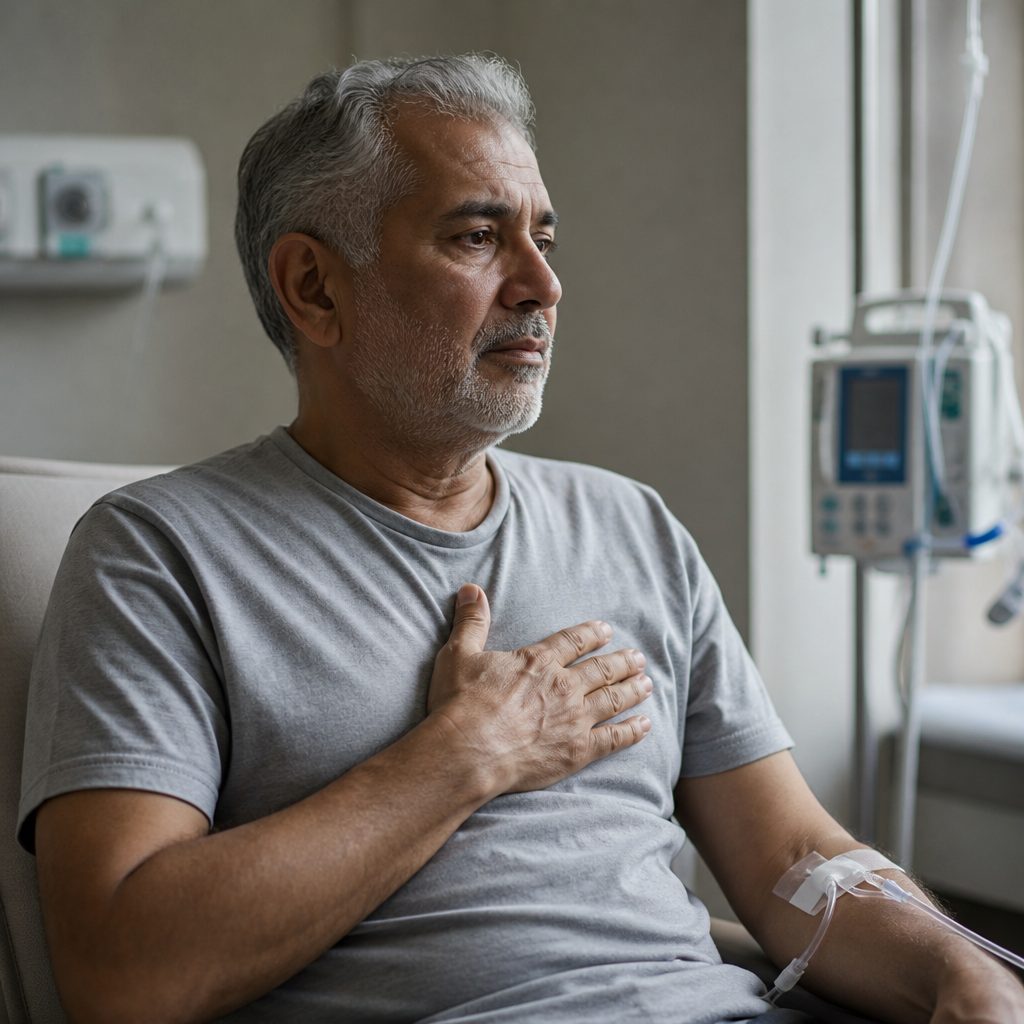
While breast cancer in men remains relatively uncommon, accounting for less than 1% of all breast cancer diagnoses, the cardiovascular complications that follow treatment demand serious attention. Male breast cancer patients face unique challenges during and after therapy, particularly regarding heart health and stroke risk. Understanding these connections helps patients and healthcare providers make informed decisions about screening, treatment approaches, and long-term monitoring strategies.
The Cardiovascular Impact of Breast Cancer Therapies
Cancer treatments that save lives can simultaneously strain the cardiovascular system. Chemotherapy agents, particularly anthracyclines and trastuzumab, carry known cardiotoxic effects that may lead to heart failure, arrhythmias, or reduced cardiac function. Radiation therapy to the chest wall, common in breast cancer treatment, exposes the heart and major blood vessels to radiation that can cause long-term vascular damage, accelerate atherosclerosis, and increase the risk of coronary artery disease years or even decades after treatment ends.
For men specifically, the cardiovascular risks compound existing vulnerabilities. Men already face higher baseline rates of heart disease compared to women of similar ages. When cancer treatment adds stress to the cardiovascular system, the cumulative effect becomes particularly concerning. Hormone therapies used in breast cancer treatment can further alter lipid profiles and metabolic function, creating additional cardiovascular strain that requires careful management.
Elevated Stroke Risk Following Breast Cancer Diagnosis
Research indicates that breast cancer survivors face higher ischemic stroke risk in the first year following diagnosis, with the elevated risk persisting for several years. This heightened vulnerability stems from multiple factors: the cancer itself can trigger hypercoagulable states that increase clot formation, chemotherapy may damage blood vessel linings, and some targeted therapies affect platelet function or blood pressure regulation.
Men with breast cancer should monitor specific warning signs that indicate potential stroke risk. These include sudden changes in blood pressure, unexplained headaches, visual disturbances, temporary numbness or weakness, and difficulty with speech or coordination. Because stroke symptoms can appear suddenly and progress rapidly, understanding these warning signs enables faster medical response, which significantly improves outcomes.
Treatment-Related Factors That Increase Risk
Certain chemotherapy regimens create inflammation throughout the vascular system, making blood vessels more prone to plaque formation and rupture. Hormone therapies, including tamoxifen and aromatase inhibitors, can increase thrombotic risk through various mechanisms. Tamoxifen acts as a selective estrogen receptor modulator that may promote clot formation in some patients, while aromatase inhibitors can worsen lipid profiles and reduce bone density, indirectly affecting cardiovascular health.
Comprehensive Imaging and Diagnostic Approaches
Early detection of both cancer and cardiovascular complications requires advanced diagnostic imaging that provides detailed views of tissue changes, blood flow patterns, and organ function. Modern breast health programs integrate multiple imaging modalities to catch abnormalities at treatable stages. Three-dimensional mammography offers improved cancer detection rates compared to traditional two-dimensional imaging, particularly in dense breast tissue. Ultrasound serves as a valuable supplementary tool for evaluating suspicious findings and guiding biopsies.
For patients requiring the most detailed soft tissue assessment, advanced imaging techniques provide unparalleled clarity. Facilities like Cleveland Clinic Abu Dhabi's Breast Health & Cancer Program offer comprehensive screening and diagnostic services, including detailed breast imaging through mri scans that detect subtle tissue changes and help characterize lesions that appear unclear on other imaging studies. This multidisciplinary approach ensures patients receive accurate diagnoses and appropriate treatment recommendations based on the most complete information available.
Cardiovascular imaging following cancer treatment helps identify early signs of treatment-related damage. Echocardiography measures heart function and can detect reduced ejection fraction before symptoms appear. Cardiac stress tests reveal how the heart responds to exertion, while carotid ultrasound examines blood vessels for atherosclerotic changes that increase stroke risk. These proactive screening measures enable interventions before serious complications develop.
Hormonal Considerations and Heart Health
The hormonal changes that occur during breast cancer treatment in men create complex interactions with cardiovascular health. Many breast cancers in men are hormone receptor-positive, requiring treatments that block or reduce hormone activity. These therapies can significantly alter testosterone levels, lipid metabolism, and insulin sensitivity—all factors that influence cardiovascular risk.
Low testosterone levels, whether from cancer treatment or natural decline, correlate with increased cardiovascular disease risk in men. Symptoms include reduced energy, mood changes, decreased muscle mass, and metabolic alterations that promote weight gain and insulin resistance. Some men may benefit from careful monitoring of hormone levels throughout cancer treatment and recovery. Understanding the health benefits of testosterone replacement therapy and other hormone replacement therapies helps patients and providers weigh the potential advantages against contraindications in cancer survivors, where hormone modulation requires extreme caution and individualized assessment.
Practical Steps for Risk Reduction
Men undergoing or recovering from breast cancer treatment should implement specific strategies to protect cardiovascular health. Regular exercise appropriate to current fitness levels strengthens the heart, improves circulation, and helps manage weight. Even moderate activity like brisk walking for 30 minutes daily provides measurable benefits. Dietary modifications that emphasize whole foods, reduce sodium intake, and limit saturated fats support healthy blood pressure and cholesterol levels.
Smoking cessation becomes especially critical for cancer patients, as tobacco use dramatically accelerates cardiovascular damage and increases cancer recurrence risk. Blood pressure monitoring should occur regularly, with any persistent elevation prompting medical evaluation. Managing stress through proven techniques like meditation, adequate sleep, and social connection helps regulate inflammatory markers and supports immune function during recovery.
Coordinated Care Between Specialties
Optimal outcomes require seamless collaboration between oncology and cardiology teams. Cardiologists specializing in cardio-oncology understand the specific cardiovascular effects of cancer treatments and can recommend protective strategies or medications that minimize heart damage during therapy. Regular cardiac monitoring throughout treatment allows early detection of concerning changes, enabling dose adjustments or alternative treatment selections when necessary.
Genetic testing provides valuable information for men with breast cancer, as certain inherited mutations like BRCA2 significantly increase breast cancer risk in men and may have implications for treatment selection and family screening recommendations. High-risk assessment helps identify patients who need more intensive surveillance or preventive interventions. This coordinated approach ensures that treating cancer does not inadvertently create equally serious cardiovascular complications.
Long-Term Surveillance and Survivorship Care
Cancer survivorship extends far beyond the completion of active treatment. Long-term follow-up should include regular cardiovascular assessments, particularly for patients who received cardiotoxic chemotherapy or chest radiation. Annual lipid panels, blood pressure checks, and periodic cardiac imaging help catch problems early when interventions prove most effective. Survivors should maintain relationships with both oncology and primary care providers who understand the late effects of cancer treatment.
The intersection of breast cancer care and cardiovascular health in men requires awareness, proactive monitoring, and integrated medical management. By understanding these connections and implementing protective strategies, patients can navigate treatment more safely and emerge with better long-term health outcomes. The key lies in recognizing that surviving cancer means protecting all aspects of health, with particular attention to the cardiovascular system that sustains every other function in the body.