Many Men Put Off Wisdom Teeth Removal Until It’s An Emergency, And That Has A Real Cost
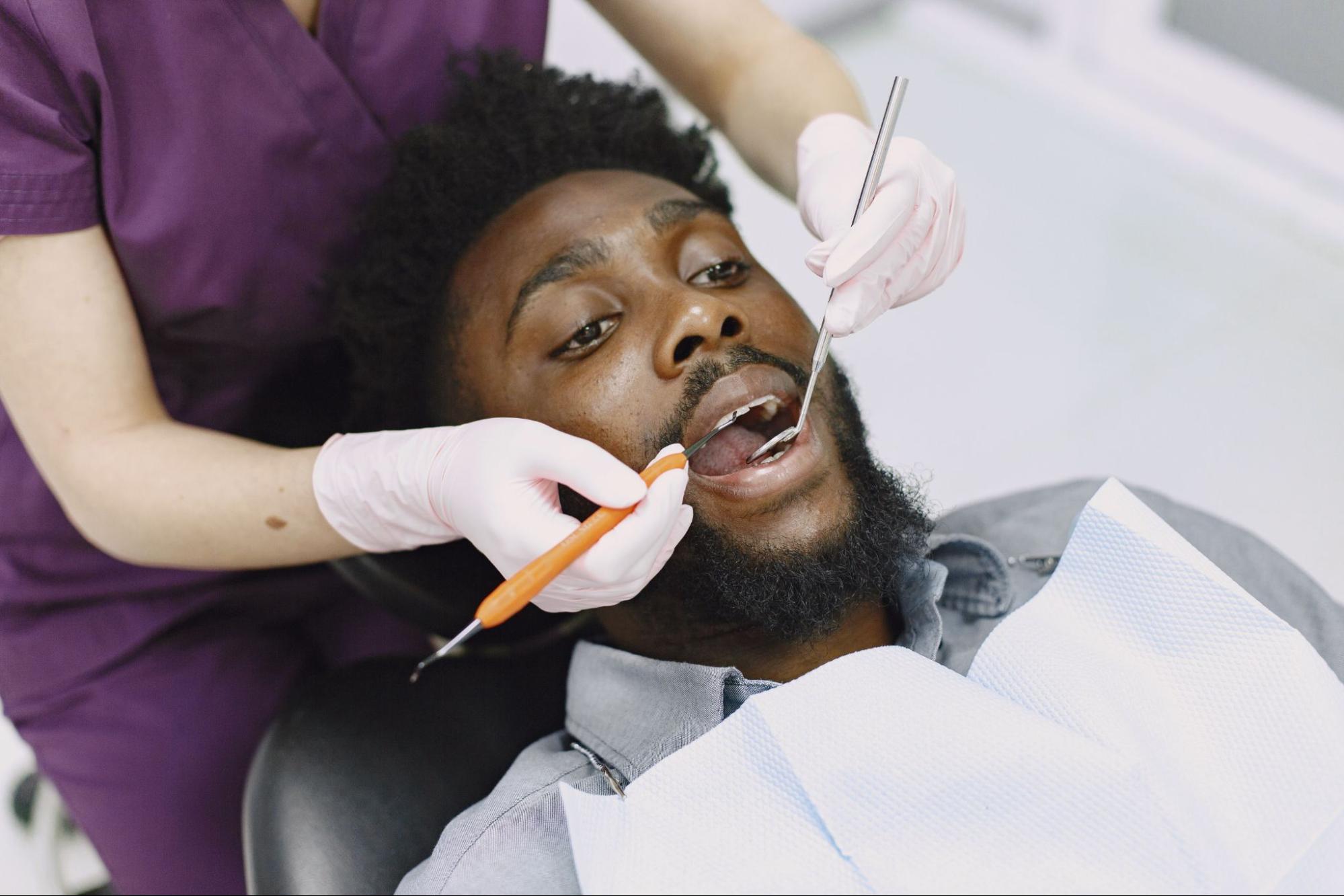
The ability to notice something is wrong, decide it’s probably fine, and carry on for months, sometimes years, without mentioning it to anyone is a common trait among many men
Wisdom teeth are one of the more common places this plays out. A little discomfort in the back of the jaw gets chalked up to nothing. Then it’s “manageable.” Then it’s something you’ve just adjusted your chewing around without really thinking about it. Then, eventually, it’s an emergency.
This isn’t a character flaw unique to any one person. It’s a well-documented pattern, and wisdom teeth happen to be a near-perfect case study in how it plays out. Something that should be addressed promptly is effectively left to fester until such time it becomes both a painful and a costly problem.
The Data Behind Why Men Wait
This isn’t just a guess, there are real numbers behind this. A national Cleveland Clinic survey found that 72 percent of men would rather do household chores such as cleaning a bathroom or mowing a lawn than go see a doctor, and roughly two-thirds said they avoid medical care for as long as they possibly can.
The data also revealed that women are about a third more likely than men to see a doctor at all, and nearly twice as likely to keep up with preventive and screening visits.
None of that is specific to dental care, but there’s no reason to think teeth are the exception. If anything, wisdom teeth are almost engineered for this kind of avoidance as there’s no single moment that forces the issue, no fever, no injury. Just a low hum of discomfort that’s easy to keep tolerating right up until it isn’t.
The Hidden Cost of Pushing Through The Pain
Here’s the part that doesn’t get said enough. Waiting doesn’t freeze the situation in place. It changes it, and generally not in your favor.
A study conducted as part of the American Association of Oral and Maxillofacial Surgeons’ Age-Related Third Molar Study, which followed more than 4,000 patients, found that the complication rate for wisdom tooth extraction rises meaningfully once a patient is past the age of 25.
That’s driven largely by denser bone and roots that have had more time to develop and, in some cases, wrap around nearby nerves. As people age, wisdom teeth generally become harder to remove, take longer to extract, carry a higher risk of complications, and recover more slowly and less predictably.
In reality, what that means is the wisdom teeth that would have been a straightforward outpatient extraction at 22 can turn into a meaningfully more complex procedure at 32. Not because anything dramatic happened, but simply because time passed while the situation sat unaddressed.
The Emergency Version Is Worse Than The Planned Version
There’s a second cost that’s less clinical and more logistical, and it’s the one that tends to actually hit home for a lot of people, and that’s timing. A wisdom tooth that’s evaluated early and removed on a scheduled basis is a known quantity. You pick the date. You plan around a few days of recovery. You know roughly what to expect going in.
An impacted or infected wisdom tooth that finally forces the issue doesn’t give you that choice. It shows up on its own schedule, often at the worst possible time, and what could have been a routine, planned procedure becomes an urgent one, frequently with more swelling, more downtime, and a longer road back to normal.
You end up taking more time away from work or training, not less, in exchange for having avoided the appointment for an extra year. That trade-off, a small, controlled inconvenience now versus a larger, uncontrolled one later, is exactly the kind of math that tends to look obvious in hindsight and completely invisible in the moment.
What Recovery Actually Looks Like
For most people in reasonably good health who get it handled at a normal age, recovery is genuinely manageable. It’s not painless, but certainly manageable.
Expect some swelling and soreness for the first two to three days, a soft-food stretch of roughly a week, and a return to full normal function within one to two weeks depending on how impacted the teeth were. Simple, fully erupted extractions tend to resolve faster while impacted teeth requiring more surgical work take longer.
Modern sedation options mean you’re not white-knuckling through the procedure itself either. Local anesthesia, oral sedation, and IV sedation are all standard options depending on complexity and personal preference. There’s really no truth to the “just grit your teeth and get through it” version of wisdom tooth removal that circulates in secondhand stories.
Signs It’s Time to Stop Waiting
Instead of relying on your gut feeling to figure out when you should see a professional to get the wisdom tooth checked out, here are a few reasonably objective markets that you should watch out for:
- Recurring pain or swelling near the back of the jaw, even if it comes and goes
- Difficulty fully opening your mouth or noticeable jaw stiffness
- A bad taste or odor localized to one area in the back of your mouth
- Visible crowding or shifting in your other teeth
- It’s simply been years since anyone’s actually looked
The move isn’t to self-diagnose or wait for it to escalate. It’s just encouragement for getting it looked at by a specialist before it turns into an emergency. Timely action to find out what you’re working with while you still have the option of doing this on a planned timeline instead of an emergency one is paramount.
Why Being Diligent Is Necessary
Wisdom teeth are one of the rare cases where you get to choose which version of the story you’re in. The mildly inconvenient scheduled version, or the disruptive emergency one. The window to make that choice closes quietly, without an alarm going off. If it’s been sitting on your mental list for a while, that’s usually the sign it’s time to move it off the list entirely.