Rising Food Prices Impact Daily Life Worldwide Trends
Introduction
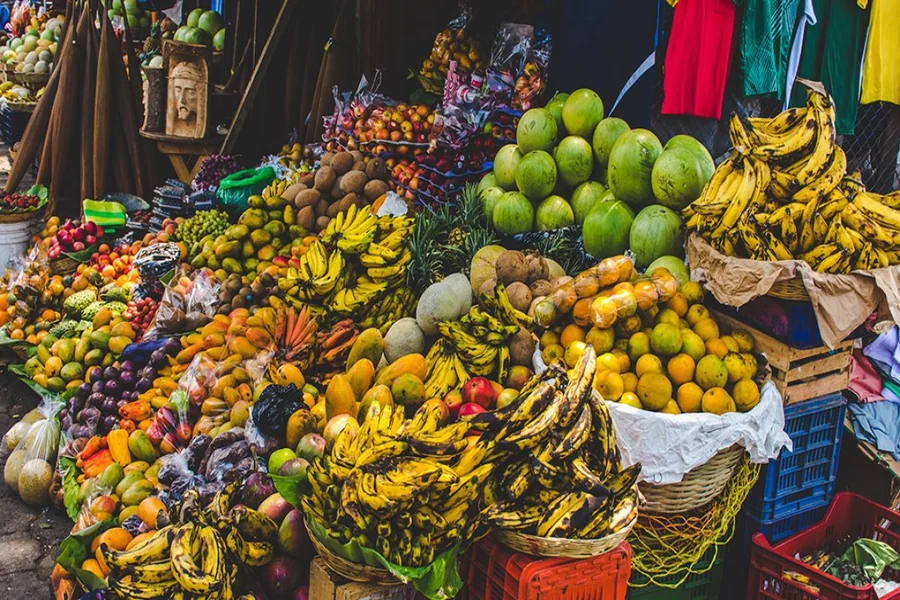
The Rise in Food prices is affecting the daily life of people all over the world as the world is witnessing a growing burden on household expenditure. Since necessities are basic needs, food has become a big issue to every family, business and the government. This increased problem indicates more underlying economic pressures such as inflation, disruption of supply chains and climate effects. Due to the ever-increasing prices, individuals are changing their lifestyles, spending patterns, and even their diets to adapt to the new reality.
Major Causes of Increased Food Costs
A mixture of global and local factors affect the prices of food. Inflation is one of the greatest causative factors because it increases the production, transportation, and distribution costs. Increasing fuel and energy costs make the whole supply chain costly and consumers experience a rise in their prices.
Climate change is also a contributing factor. The changing weather patterns like floods, drought, and extreme heat diminish the crop yields and alter farming cycles. Such environmental issues restrict supply and drive the prices high. Get the latest insights by visiting pressvibepulse com.
Disruption of global supply chains is another significant factor. Shipment delays, high transportation, and raw materials scarcity complicate the efficient delivery of food to markets. Moreover, geopolitics may limit trade and provide additional instability in food supply.
The lack of labor in agriculture and food processing industries is another issue. In case of fewer workers, production is slowed down and the cost is increased which ultimately impacts on market prices.
Impacts on Lifestyle and Household Spending
The effects of increasing food prices are most evident at the household level. Families are using more of their income in buying groceries and little left to buy other basic necessities like healthcare, education and housing.
The poor households, especially, are especially impacted, because they have little flexibility in their budgets. Some have to make tough decisions, including purchasing food that is not as healthy, or cutting back on meal size.
Such change in consumption patterns may have long term effects. The inadequacy of nutrition may cause health complications, which impact the general well-being and results in higher healthcare expenses. Simultaneously, families are turning into tight fisted in their expenditure by focusing more on necessities rather than luxuries.
Implication on Businesses and the food industry
Food industries are also struggling with the increased expenses. Restaurants, supermarkets and food producers are facing increased costs of ingredients, labor and energy costs. The expenses are usually transferred to the consumers as a result of higher prices.
Small business enterprises are particularly susceptible. They might not be able to absorb the increasing costs or even invest in efficiency improvements, unlike large corporations. Others are compelled to downsize their portions, make changes to their services or even shut down.
The bigger businesses are reacting by implementing new technologies and enhancing the efficiency of the supply chain. They are managing their costs and remaining competitive through automation, digital tracking systems, and alternative sourcing strategies.
Local variations in Food Price Effect
The impacts of the increase in food price differ greatly depending on the regions. In the developed world, the increased prices can cause reduced household budgets and they usually do not cause widespread shortages.
This is not the case in developing countries where the challenges are more serious. When individuals are unable to afford basic needs, food insecurity is a significant issue. Lack of access to resources and poorer economic systems complicates effective response to price increases.
The most susceptible to this are countries that are heavily dependent on food imports. These countries will incur greater expenses and possible shortages in supply when the world prices are hiked. Conversely, nations with well developed agricultural economies might be more resilient yet affected by the global market trends.
Food cost management and reduction strategies
The solution to the increasing food prices should be a concerted strategy between governments, businesses and individuals. The governments may use policies like subsidies, tax relief and assisting farmers to stabilize the prices and food availability.
Agricultural investment is a key to long-term stability. Technology, better irrigation and modern farming methods can also enhance productivity and improve resistance to environmental changes.
Another effective strategy is to reduce the amount of food waste. Much food is wasted at production, transportation and consumption. Waste reduction can be used to enhance supply at minimal costs in production.
People are also capable of making practical actions. Household costs can be controlled by planning meals, purchasing in large quantities and avoiding unnecessary waste. Awareness of spending behavior can positively impact with time.
Final Thought
Increasing food prices are transforming our daily lives worldwide and are not only impacting budgets of households but also our health, business operations and economic stability. The challenges are also significant, but they indicate the necessity of more sustainable and resilient food systems. Through knowing the root causes and being proactive, societies will be able to strive to find solutions that will make food affordable and accessible to all.
FAQs
What are the main causes of rising food prices?
The main causes include inflation, climate change, supply chain disruptions, and increased production and transportation costs.
How do rising food prices affect daily life?
They increase household expenses, reduce purchasing power, and often lead to changes in diet and spending habits.
Which groups are most affected by food price increases?
Low-income households and people in developing countries are most affected due to limited financial resources.
Can governments control food prices effectively?
Governments can influence prices through policies and support programs, but complete control is difficult due to global factors.
How does climate change impact food supply?
Climate change causes extreme weather conditions that reduce crop yields and disrupt agricultural production.
What can individuals do to cope with rising food costs?
Individuals can plan meals, reduce food waste, and make cost-effective purchasing decisions to manage their budgets.