Understanding the Factors That Affect Invisalign Costs
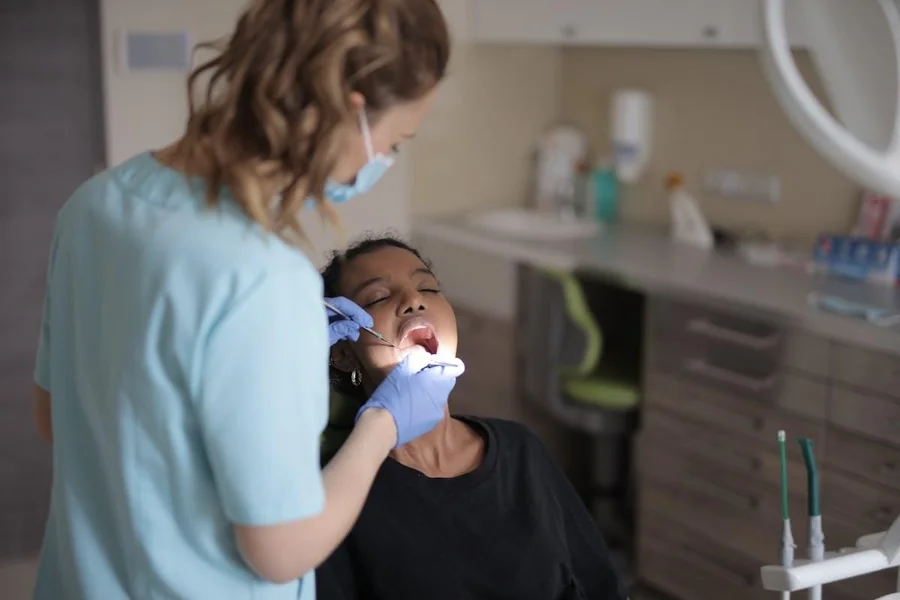
According to the American Association of Orthodontists’ 2024 consumer survey, clear aligner treatment costs can vary by as much as $3,000 between providers in the same metropolitan area — a pricing spread that often leaves patients wondering whether they’re getting a fair deal or missing crucial coverage options. As orthodontic technology advances and insurance companies refine their coverage policies, the financial landscape for clear aligners has become increasingly complex, with factors beyond simple treatment duration now playing major roles in final costs.
For the millions of adults and teens considering clear aligner therapy, this pricing variability isn’t just confusing — it’s financially significant. A family evaluating orthodontic options for their teenager might find quotes ranging from $3,500 to $7,000 for seemingly similar treatments, while adults seeking cosmetic corrections face their own maze of insurance limitations and payment structures. Exploring the best Invisalign treatment available can help patients understand quality differences, treatment options, and costs, ensuring more informed decisions about one of the largest out-of-pocket healthcare expenses many families will face.
The factors influencing clear aligner pricing extend far beyond the obvious considerations of treatment length and complexity, touching everything from regional market dynamics to insurance plan specifics that most patients never consider until they’re comparing quotes.
What Are the Main Factors That Determine Clear Aligner Costs?
Treatment complexity stands as the most significant driver of clear aligner costs, though it’s often misunderstood by patients who assume all orthodontic cases require similar effort. A teenager with mild crowding might complete treatment in 12 months with 20 aligner sets, while an adult with significant bite issues could require 24 months and 40+ aligners, along with additional appointments for refinements and adjustments. Each additional aligner set increases manufacturing costs, and extended treatment timelines mean more frequent check-ups and monitoring.
The severity of dental misalignment directly correlates with treatment expense because complex cases demand more precise planning, specialized attachments, and often require interproximal reduction — the careful reshaping of tooth surfaces to create space. Cases involving significant bite corrections or jaw alignment issues may also necessitate additional appliances like rubber bands or temporary anchorage devices, each adding to the overall treatment cost.
Provider experience and technology adoption create another substantial cost variable. Orthodontists with decades of clear aligner experience typically charge premium rates, but they also tend to achieve results more efficiently, potentially reducing the total number of aligners needed. Practices investing in advanced imaging technology, 3D treatment planning software, and digital monitoring systems often pass these overhead costs to patients, though the improved precision can sometimes offset expenses through shorter treatment times.
Geographic location dramatically influences baseline pricing, with urban markets commanding significantly higher fees than rural areas. A comprehensive Invisalign treatment in Manhattan might cost 40% more than identical care in a smaller Midwestern city, reflecting differences in practice overhead, local competition, and regional economic conditions.
Hidden fees frequently catch patients off-guard during treatment. Initial consultations, retainers, emergency visits for lost aligners, and mid-course adjustments can add $500 to $1,500 to quoted prices. Some practices include these services in comprehensive treatment packages, while others bill them separately — a distinction that makes direct price comparisons challenging without understanding exactly what each quote encompasses.
How Does Insurance Affect Clear Aligner Expenses?
Insurance coverage for clear aligners varies dramatically based on plan type and employer benefits, creating significant out-of-pocket differences for patients with otherwise similar treatments. The impact extends beyond simple reimbursement percentages, affecting everything from provider choice to treatment timing decisions.
Which Insurance Plans Commonly Cover Clear Aligners?
Most dental insurance plans that include orthodontic benefits will cover clear aligners, but coverage typically mirrors traditional braces benefits rather than treating aligners as a distinct category. Plans offering orthodontic coverage generally provide benefits for dependents under 19, with adult coverage being far less common and usually requiring supplemental orthodontic insurance purchased separately.
Federal employee dental plans and many state employee benefit programs include robust orthodontic coverage that extends to clear aligners, often covering 50% of treatment costs up to lifetime maximums of $1,500 to $2,000. Private employer plans vary widely, with larger companies more likely to offer comprehensive orthodontic benefits as part of competitive benefits packages. Military families benefit from TRICARE coverage that includes orthodontic treatment when deemed medically necessary, though cosmetic cases typically require out-of-pocket payment.
Health Savings Account (HSA) and Flexible Spending Account (FSA) funds can be applied to clear aligner treatments, providing tax advantages that effectively reduce costs by 20-30% depending on individual tax brackets.
How Insurance Coverage Changes Your Total Cost
Insurance reimbursement structures significantly impact patient payment responsibilities and treatment decisions. Most orthodontic benefits operate on lifetime maximums rather than annual limits, meaning patients receive a one-time allowance that must cover all orthodontic treatment throughout their lifetime. Once this maximum is reached, any future orthodontic needs become entirely out-of-pocket expenses.
Percentage-based coverage typically reimburses 50% of treatment costs up to the lifetime maximum, but the calculation methods vary between insurers. Some base reimbursements on the orthodontist’s actual charges, while others use predetermined fee schedules that may be lower than market rates, effectively reducing the benefit value. Prior authorization requirements can delay treatment starts and sometimes result in coverage denials if insurers determine treatment is primarily cosmetic rather than medically necessary.
This dentist who does orthodontics in Williamsburg adds that understanding these policy variations highlights why patients must coordinate closely with their dental provider’s billing team before committing to a treatment plan. Securing a detailed pre-treatment estimate ensures that unexpected gaps between the insurer’s allowed amount and the actual clinical fees are identified early, allowing families to arrange manageable financing or payment plans for the remaining balance.
How Do Clear Aligner Costs Compare to Traditional Braces?
The cost relationship between clear aligners and traditional braces has shifted considerably as aligner technology has matured, with the price gap narrowing significantly over the past five years. Today’s comparison involves more than simple upfront costs, extending to long-term maintenance, treatment efficiency, and indirect expenses that many families don’t initially consider.
Traditional metal braces typically cost $3,000 to $5,000 for comprehensive treatment, making them appear more budget-friendly than clear aligners that range from $4,000 to $7,000. However, this surface comparison doesn’t account for the total cost of ownership over the treatment period. Traditional braces require more frequent adjustment appointments, typically every 4-6 weeks, compared to clear aligner check-ups every 8-10 weeks. Each additional office visit represents time costs and potential missed work or school.
Emergency visits create another cost differential worth considering. Broken brackets or protruding wires from traditional braces often require immediate attention, sometimes involving urgent care fees for after-hours situations. Clear aligner patients rarely face true orthodontic emergencies, though lost or damaged aligners can necessitate replacement costs of $100-300 per set.
The maintenance and lifestyle impact costs favor clear aligners for many patients. Traditional braces require specialized cleaning tools, specific toothpastes, and often result in more frequent dental cleanings due to increased plaque accumulation around brackets. Clear aligners allow normal oral hygiene routines and don’t restrict dietary choices, potentially reducing both dental maintenance costs and the hidden expense of avoiding certain foods throughout treatment.
Treatment efficiency increasingly favors clear aligners for many cases, particularly mild to moderate misalignment. While traditional braces might require 18-24 months for comprehensive treatment, clear aligners often achieve similar results in 12-18 months, reducing the total number of office visits and associated time costs.
Why Do Location and Provider Experience Affect Clear Aligner Pricing?
Regional economic conditions create substantial pricing variations for clear aligner treatment, with differences often exceeding 50% between metropolitan markets and rural areas. These disparities reflect more than simple cost-of-living adjustments, encompassing practice overhead variations, local competition dynamics, and regional differences in patient expectations and payment capabilities.
Urban orthodontic practices face significantly higher operational costs, from commercial real estate rates to staff salaries and malpractice insurance premiums. A practice in downtown Chicago or Los Angeles might spend $15,000 monthly on rent for space that costs $3,000 in a smaller city, directly impacting treatment pricing. Additionally, urban markets often support more specialized practices that can command premium pricing for convenience and advanced technology offerings.
Provider experience and specialization create another significant pricing tier within the clear aligner market. Board-certified orthodontists typically charge 20-40% more than general dentists offering aligner therapy, reflecting their specialized training and typically more efficient treatment planning. Providers with extensive clear aligner experience often achieve better outcomes in fewer aligner sets, potentially offsetting higher per-visit costs through reduced treatment duration.
Technology adoption varies widely among providers and directly influences pricing structures. Practices investing in advanced 3D imaging, AI-assisted treatment planning, and remote monitoring capabilities often charge premium rates but may deliver more precise treatment with fewer mid-course corrections. Conversely, practices using basic treatment planning software and minimal technology might offer lower upfront costs but potentially require more refinement aligners and extended treatment times.
The competitive landscape in each market significantly influences pricing flexibility. Markets with multiple clear aligner providers often see more competitive pricing and package deals, while areas with limited orthodontic options may support higher pricing with less pressure for discounting or promotional offers.
What Are Practical Strategies for Managing Clear Aligner Costs?
Financial planning for clear aligner treatment requires understanding both upfront costs and potential additional expenses throughout the treatment process. Many patients focus solely on initial quotes without considering payment timing, insurance coordination, and strategies for minimizing unexpected costs during treatment.
Payment plan options have become increasingly sophisticated, with many practices offering 0% interest financing for qualified patients. These arrangements typically require down payments of 10-25% with monthly payments spread over 12-24 months, allowing families to budget treatment costs without incurring credit card interest rates. Some practices partner with third-party healthcare financing companies that offer extended payment terms up to 60 months, though longer terms often involve interest charges that increase total treatment costs.
Maximizing insurance benefits requires careful timing and coordination. Patients with orthodontic benefits should understand their plan’s calendar year structure and lifetime maximums before beginning treatment. Starting treatment early in the calendar year allows maximum time for insurance processing and can help families plan for any required out-of-pocket portions. For families with multiple children requiring orthodontic care, strategically timing treatments can help maximize limited orthodontic benefits across all family members.
Comparing total treatment costs rather than initial quotes provides more accurate financial planning. Comprehensive treatment packages that include retainers, emergency visits, and refinement aligners often provide better value than lower initial quotes with additional fees for these services. Patients should specifically ask about replacement aligner costs, refinement policies, and retainer expenses when evaluating different providers.
Flexible spending accounts and health savings accounts offer significant tax advantages for orthodontic treatment, effectively reducing costs by the patient’s marginal tax rate. Planning FSA contributions to align with treatment payment schedules can provide substantial savings, though these accounts typically require careful planning due to use-it-or-lose-it provisions.
The key to successful cost management lies in understanding that clear aligner treatment represents a significant investment with potential for additional expenses throughout the process — but also offers opportunities for strategic planning that can meaningfully reduce total costs through insurance optimization, payment timing, and comprehensive package selection.