The Full-Body Workout Method That Supports Speed, Mobility, and Balance
Speed, mobility, and balance sound like separate goals. In real life, they depend on the same foundation. The body has to produce force, then control it. When that control is missing, speed looks messy, mobility feels tight, and balance fails under fatigue.
A full-body method built on controlled resistance solves that. It builds strength without sloppy reps. It trains movement patterns that carry into sport and daily life. It also keeps the impact low, which helps consistency.
The best part is that it does not require long workouts. It requires repeatable work that stays clean.
What Controlled Resistance Training Really Is
Controlled resistance training is simple. It uses a steady tempo, stable positions, and a deliberate range of motion. Instead of chasing speed, it builds control first, then adds intensity. That makes the work feel athletic, not chaotic.
This changes how the body adapts. Muscles stay engaged through the full range. Joints get more support from the tissue around them. The nervous system learns efficient movement, instead of “survival reps” and sloppy patterns.
It also shifts training away from body-part thinking. The focus becomes movement patterns. Squat patterns. Hinges. Pushes. Pulls. Carries. Rotation control. That is how real bodies move in sport and in daily life.
For some men, the easiest way to train this style is with a machine that keeps resistance smooth and consistent. For anyone researching quality pilates reformers for sale, it helps to compare practical features first. The Sculptformer is one high-intensity option in this category and is often considered as an alternative choice.
What to Look for in a High-Quality Session
A controlled resistance session should feel challenging, but not chaotic. The best sessions have a clear rhythm. Warm-up joints, load patterns, then finish with stability work. Tempo stays steady, and reps stay clean. The goal is not to rush. The goal is to keep tension where it belongs.
A simple check is breathing. Breathing should feel worked, but controlled. Another check is posture. Ribs stay stacked over the pelvis, even when tired. If the shoulders creep up or the lower back arches hard, the load is too high, or the set is too long. Better quality reps build better speed, mobility, and balance later.
Why Speed Improves When Movement Gets Cleaner
Speed is not only about fast feet. Speed is force applied fast, and NSCA speed training guidance stresses that speed work needs smart planning and recovery. If the hips collapse, the steps lose power. If the foot lands noisily, ground contact gets slower.
Controlled resistance work strengthens the pieces that keep speed clean. Hip drive improves because the glutes and hamstrings get stronger in stable positions. Trunk control improves because bracing is trained under load. Ankles and calves become more resilient because they handle tension without bouncing.
This is why the “quiet” style of training can improve speed. It reduces wasted motion. Less wasted motion means more repeatable output.
Why Mobility Often Improves With Strength
Mobility is commonly treated as flexibility. Many people stretch daily and still feel tight. That tightness often comes from instability. The body locks down a range that feels weak. NIH guidance on strength training also links resistance work to better mobility and function over time.
Controlled resistance changes that. It builds strength inside the range, so the range feels safer. A slow split squat can improve hip mobility because the hip is loaded in a stable position. A controlled hinge can improve hamstring mobility because the hamstrings learn to lengthen under tension. A slow row can improve shoulder mobility because the upper back learns to support a better position.
This is the difference between “loose” and “usable.” Usable mobility supports speed and balance. Loose mobility without strength does not.
Why Balance Improves When the Hips and Core Stop Cheating
Balance is not a talent. It is a skill built on strength and coordination. The feet provide contact. The hips provide control. The trunk provides stability.
When balance fails, the reason is usually obvious in hindsight. The knee caves in. The hip drops. The torso leans. The foot wobbles because the ankle is not supported.
Controlled resistance training targets that chain. Single-leg patterns build hip stability. Carries build trunk control under load. Slow lateral work strengthens the muscles that keep the pelvis level. Over time, balance becomes less of a “focus task” and more of a default state.
That matters for athletics. It also matters for everyday movement, like stepping off a curb or carrying a heavy bag.
Where Reformer-Style Training Fits
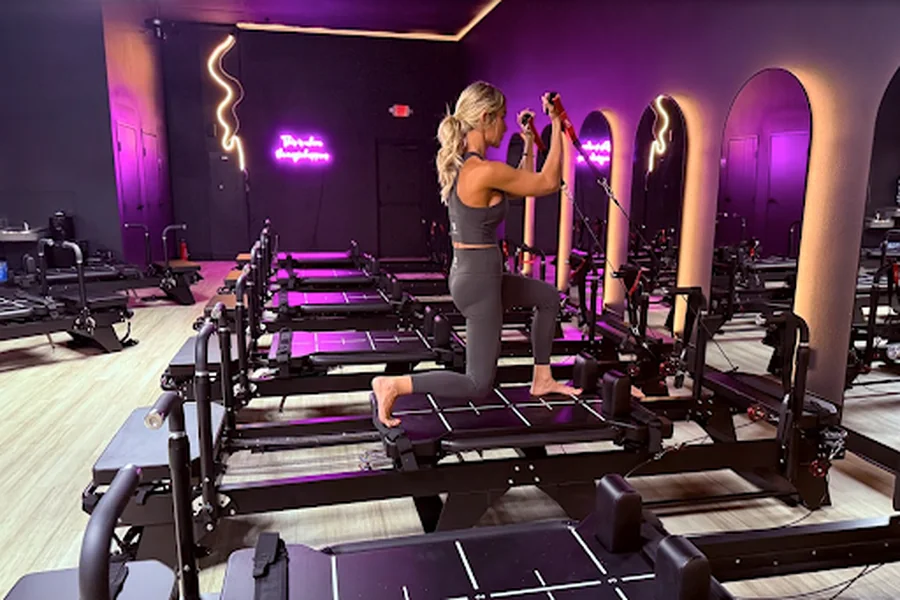
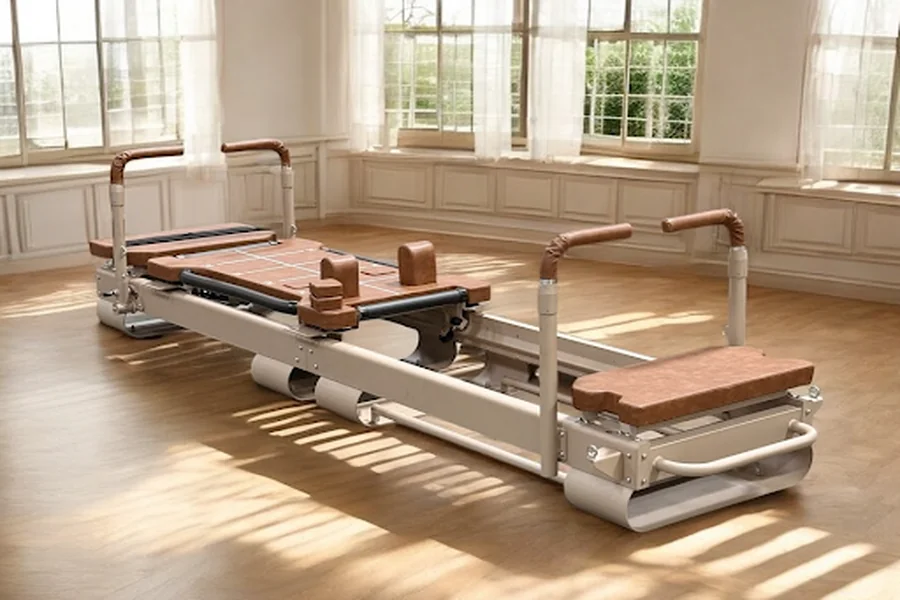
Reformer-style training is one of the cleanest ways to train control under resistance. Springs provide a smooth load. The moving platform challenges stability. The body has to stay organised while the resistance changes.
TechSlash explores upcoming technology innovations, virtual reality experiences, smart devices, and futuristic applications changing everyday digital lifestyles across global communities.
This style can suit men who want strength without heavy impact. It can also suit men who want a fuller-body session without spending hours in the gym. The work is still hard, but the reps stay in control.
Some people discover this training through popular studio brands. Those are brands, not the method itself. The broader category is controlled resistance work on a reformer-style machine.
How to Use This Method Without Overdoing It
Controlled training can feel deceptively manageable. That can tempt people to stack too much volume too fast. The body still needs adaptation time, especially for tendons and stabilisers.
A safer approach is to keep sessions short and repeatable. Two or three sessions per week are enough to see a change. Focus on clean tempo, stable positions, and full ranges that can be controlled. Add challenge slowly, one variable at a time.
The key sign to watch is control. If control drops, the set is done. Fatigue training has a place, but it should not become the default. Most performance gains come from clean reps done consistently.
The Takeaway
Speed, mobility, and balance improve when the body can create force and control it. Controlled resistance training does both. It builds strength that carries into movement, not just numbers in a workout log. It also improves the usable range of motion and stability under fatigue, which is where balance and speed are won.
This method does not rely on punishment or long sessions. It relies on repeatable work that stays clean. That is why it fits real schedules and real bodies.