Facing Up to Digital Age Addictions: How We’re Learning to Cope
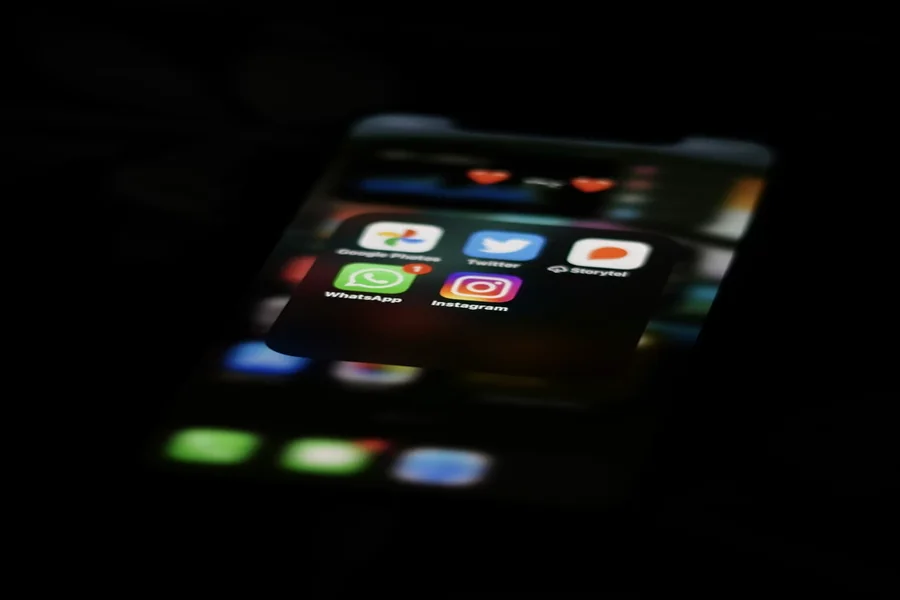
Non-substance addictions like mobile phone use, social media, gaming, and gambling have become more common in recent years. Unlike drug or alcohol addiction, these issues are linked to behaviours, but they can still strongly affect daily life and mental health. Constant phone checking or endless scrolling can lead to anxiety, low mood, withdrawal from others, and difficulty coping with everyday tasks.
Studies show that many people struggle to disconnect from their devices, with a large number feeling anxious when they are offline. This highlights how technology can be just as hard to step away from as other addictive habits.
Health professionals are now taking these concerns more seriously. Gaming disorder is officially recognised, and other tech-related problems like social media addiction and the fear of being without a phone are receiving more attention, especially since the pandemic increased screen use.
As these behaviours become more widespread, understanding and addressing them is increasingly important. This shift reflects a growing awareness of how modern technology affects mental health as our lives become more digitally connected.
Understanding Non-Substance Addictions
Non-substance addictions, also called behavioural addictions, cover a wide variety of compulsions. Instead of being tied to drugs or alcohol, these fixations revolve around actions – for example, spending far too much time on the internet, glued to social media, gaming late into the night, or never letting go of the smartphone. But it’s not just tech. Gambling, shopping splurges, binge eating, excessive exercise, and sexual activity can all turn into addictive patterns that are tough to shake off.
According to the World Health Organisation, these sorts of behaviours are affecting more people than ever, sparking calls for better awareness and support. Underneath the surface, these addictions often come down to a strong drive for reward or relief. People may find themselves acting on impulse, unable to resist urges, or struggling to manage their emotions, which can lead to a real knock-on effect on mental health and daily life.
On a scientific level, behavioural addictions have plenty in common with substance use disorders. Both can throw our brain’s reward system out of balance – especially when it comes to chemicals like dopamine and GABA, which play a part in helping us form habits. Some people may even be more vulnerable to these cycles thanks to the genetic lottery.
To get a grip on the growing problem of behavioural addictions, we need input from neuroscience, psychology, and social sciences. Breaking down how these patterns start and what keeps them going is a must for coming up with meaningful strategies to prevent them and offer real help for those caught up in their grip.
Types of Non-Substance Addictions
Technology and Social Media Addiction
Internet and social media addiction can look surprisingly similar to a classic substance addiction. People caught up in it might find themselves glued to their screens, checking notifications over and over, putting online chats ahead of real-life connections, and struggling to focus because the urge to go online just won’t quit.
This type of addiction isn’t just a harmless habit. Folks may notice shifts in their mood, pull away from friends and family, spend longer stretches online than they meant to, or, in more serious cases, face thoughts of ending their life. It can get in the way of even simple daily tasks, making it hard to be present in everyday life.
One sign of how deep this dependency goes comes from ‘nomophobia’—that feeling of panic when your phone’s missing or offline. The term showed up in 2008 as smartphones started taking over. Research paints a clear picture: more than half of British people feel uneasy if they can’t get online, and nearly one in ten feel stressed if their phone is off.
The knock-on effect of this can be huge, ramping up the risk for conditions like depression and anxiety. All these signs point to one thing—we really need to pay attention to how life online might be chipping away at our mental health.
Gaming and Gambling Disorders
Gaming disorder officially landed on the World Health Organisation’s radar in 2017, shining a spotlight on a behavioural addiction that can be just as damaging as those involving substances. By giving it a place in the International Classification of Diseases (ICD-11), the WHO helped people and health professionals stop brushing off excessive gaming as a minor issue. Evidence now puts internet gaming disorder at around 0.3% to 1% of the general population. The pandemic only fuelled these figures, with as many as 62% of UK adults becoming regular gamers during lockdowns.
Gambling disorder, on the other hand, has been in the mental health manuals since the 1980s and is currently the only non-drug addiction with an official diagnosis in the DSM-5. It’s marked by a repeated urge to gamble, even when it causes serious distress or harm. For a worrying number of people, this can lead to thoughts of suicide—up to 50% in some studies—with nearly one in five attempting it. It’s also quite common for gambling issues to go hand-in-hand with drug or alcohol problems. This all serves as a stark reminder that these disorders can have a serious ripple effect on families and communities, making support and intervention a real necessity.
Emerging Behavioral Addictions
While technology grabs most of the headlines, a fresh wave of addictive behaviours is coming to light, ranging from shopping to eating and even pornography. Much like with internet or gaming addictions, these patterns are marked by a strong sense of compulsion and difficulties with self-control.
Shopping addiction, sometimes called compulsive buying disorder, can hit hard. People find themselves buying things they don’t need and often can’t afford, chasing a quick emotional buzz that fades just as fast. Unfortunately, this chase usually leads to money troubles and strains in personal relationships.
Eating addictions, especially binge eating, bring their own set of troubles. Here, the main feature is the irresistible urge to eat large amounts of food in a short period, leaving people feeling out of control. This can cause a host of health issues and emotional lows, often starting as a way to deal with stress or bad feelings.
Pornography addiction can look similar, except the focus is on viewing explicit material to such an extent that it damages personal relationships and may drain enjoyment from real-life intimacy.
What’s going on beneath the surface? All of these addictions tend to follow the same pattern: chasing some form of instant reward or distraction from uncomfortable emotions. Over time, this takes a toll on the brain and makes it tougher to control urges or manage feelings. That’s why tackling these newer addictions takes input from different fields, including neuroscience, psychology, and social care, to really make a difference for individuals and society alike.
Impact of Non-Substance Addictions

Non-substance addictions can take quite a toll on mental health. Things like too much screen time or endless social media scrolling often show up as anxiety, depression, and general emotional strain. In fact, nearly half of people in some studies report feeling depressed, and about 70% experience anxiety linked to their online or phone habits.
These behaviours can change someone’s mood, make them want to withdraw from others, and even leave them struggling to get through regular daily tasks.
It’s not just about personal struggles. Relationships with friends and family often suffer. The urge to continuously check a phone, for example, can create a sense of distance, leading to isolation and less involvement in community life. Then there’s gambling, where half of those dealing with this addiction have had suicidal thoughts. Gaming and similar habits can also be so overwhelming that they upend day-to-day routines, upsetting the balance at home.
There’s no simple fix. Families and wider social circles are important for support, but sometimes the very habits people turn to can spark arguments or tension. Recognising the true impact of these addictions means paying attention to both the effect on each person and on those around them. If change is going to happen, it needs to cover everything from prevention to treatment—both at the individual and community level.
Treatment and Prevention Strategies
Cognitive Behavioural Therapy (CBT) is one of the most reliable go-to methods for treating non-substance addictions, including those linked to technology. CBT helps break the cycle of negative thinking that fuels addictive habits and gives people a chance to take back control over their actions. Often, this approach is supported by questionnaires such as the Questionnaire of Dependence of Mobile Phone or the Test of Mobile Phone Dependence, which provide insight into just how much someone is struggling to manage their habits.
Medication can also play a part, especially where issues like anxiety or depression are in the mix. Prescriptions might include antidepressants like tranylcypromine or anti-epileptic drugs such as clonazepam, especially if mental health symptoms are making addiction harder to manage.
The conversation doesn’t stop at treatment. Prevention is catching more attention too, especially as governments and organisations step up their efforts. The NHS’s National Centre for Behavioural Addictions in the UK now supports people facing gaming addiction. On a broader scale, policies in countries like South Korea ban children from online gaming late at night, and major tech firms in China limit the number of hours young people can spend gaming.
These policy changes matter, considering how many people are affected. During the pandemic, 62% of UK adults played video games regularly—a clear sign that tech-related addictions are far from rare. Pairing support at the individual level with these wider public health moves is the sensible way forward, as it tackles both what causes addiction and its real-world impact.