Why Community CPR Training Programs Save More Lives
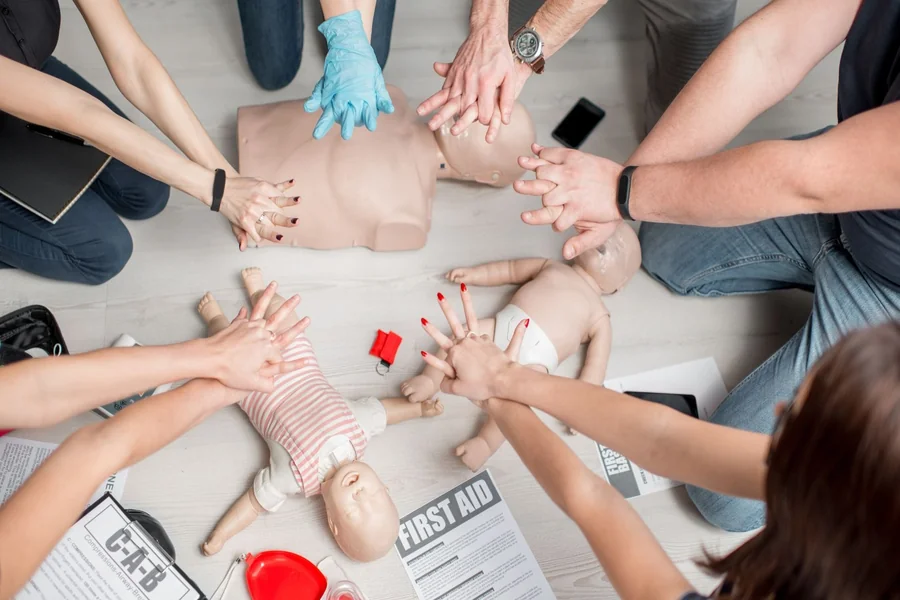
Sudden cardiac arrest can happen anywhere—on the street, in a store, at school, or even at home. It strikes without warning, and survival often depends on the actions of bystanders in the critical first minutes. While professional emergency responders play a vital role, they are not always able to arrive in time. That’s why community CPR training programs are essential. They equip ordinary people with lifesaving skills, empowering entire neighborhoods and cities to respond effectively during emergencies.
The Importance of Immediate Action
When cardiac arrest occurs, the heart suddenly stops pumping blood effectively, cutting off oxygen to the brain and vital organs. Every minute without CPR reduces survival chances by as much as 10 percent. Waiting for emergency responders is rarely enough. Immediate intervention by trained bystanders doubles or even triples survival rates. This urgency makes widespread training a matter of public safety rather than individual choice.
What Community Training Programs Offer
Community CPR training programs bring lifesaving knowledge directly to local residents. Unlike professional medical courses, these programs are designed for accessibility. They simplify CPR into easy-to-follow steps, ensuring that participants leave confident in their ability to act. Many also include instruction in using Automated External Defibrillators (AEDs), devices that restore normal heart rhythm through controlled electric shocks. By teaching CPR alongside AED use, communities increase the likelihood that cardiac emergencies are met with the most effective response.
Overcoming Hesitation Through Education
One of the biggest obstacles in emergencies is hesitation. Many bystanders freeze, worried about doing something wrong or causing harm. Community training helps overcome this fear by providing hands-on practice and correcting misconceptions. Participants learn that imperfect CPR is far better than doing nothing and that Good Samaritan laws protect those who try to help in good faith. Confidence built through practice translates into action when real situations arise.
Making Training Accessible for All
Accessibility is key to community programs. Local organizations, schools, workplaces, and recreation centers often host sessions, ensuring training is available close to home. Low-cost or free classes further remove barriers, encouraging broader participation. Some programs even tailor sessions for children, seniors, or people with limited mobility. This inclusivity ensures that entire communities, not just a select few, are equipped with vital skills. Programs like scarborough cpr provide structured, practical instruction that empowers individuals across diverse backgrounds.
Success Stories That Inspire
There are countless real-world examples of bystanders saving lives thanks to CPR training. A co-worker collapsing in the office, a student fainting during sports practice, or a neighbor in distress—all have been revived by ordinary people who stepped in with confidence. Sharing these success stories within communities reinforces the value of training, motivating more residents to participate. Each story proves that CPR is not just a skill—it’s a community responsibility with the power to transform outcomes.
Building a Culture of Preparedness
The true power of community CPR training lies in its ripple effect. When more people are trained, the chances of a capable responder being nearby increase dramatically. Workplaces, schools, gyms, and public spaces become safer environments. This widespread readiness builds a culture of preparedness, where helping others is the norm rather than the exception. Over time, communities that prioritize CPR training see not only improved survival rates but also stronger bonds among their residents.
Integrating AED Awareness
AEDs are often placed in public spaces, but many people hesitate to use them because they seem intimidating. Community programs demystify AEDs, showing how simple and safe they are. Participants learn to follow voice prompts, place electrode pads correctly, and let the device analyze heart rhythms automatically. By including AED training alongside CPR, communities ensure bystanders are equipped to provide the most effective care possible.
The Role of Schools and Youth Programs
Introducing CPR training in schools is one of the most effective ways to expand reach. Young people learn quickly and carry their skills into adulthood, creating a new generation of confident responders. Some schools already make CPR training a graduation requirement, while youth programs and summer camps incorporate it into activities. Empowering children and teens with these skills ensures that communities will continue to be safer in the long term.
Conclusion
Community CPR training programs are not just about teaching technique—they are about saving lives. By making training accessible, removing hesitation, and building a culture of preparedness, these programs transform ordinary people into capable first responders.