How to Choose the Right Dentist in Live Oak for Your Family’s Needs
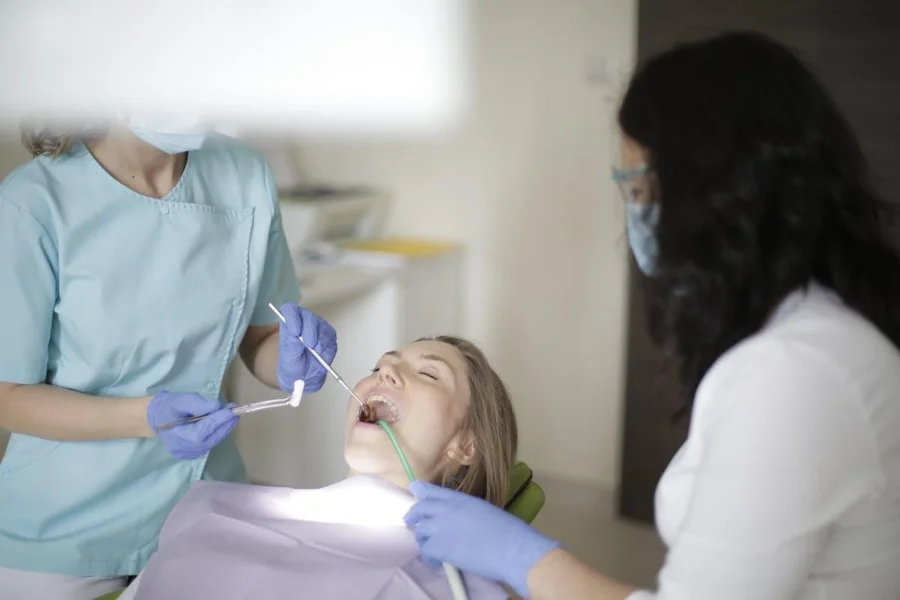
Finding the right dental care for your family involves more than just scheduling cleanings twice a year. According to the American Dental Association’s 2024 workforce data, the average American travels 15 minutes to reach their dentist, yet families often spend less time researching their dental provider than they do choosing a restaurant for dinner. In Live Oak, where dental practices range from solo practitioners to multi-specialty clinics, this decision carries long-term consequences for everyone from toddlers getting their first checkup to grandparents managing complex restorative needs.
The stakes extend beyond convenience. Dental health directly impacts overall wellness, affecting everything from cardiovascular health to cognitive development in children. When you factor in the average family’s decade-plus relationship with their dental provider, choosing the wrong practice can mean years of suboptimal care, unnecessary anxiety, or treatments that don’t align with your family’s values and needs.
What makes this choice particularly challenging in Live Oak is the diversity of available options — from practices focused on cutting-edge technology to those emphasizing traditional, relationship-based care. Understanding how to evaluate these differences against your family’s specific circumstances can transform dental care from a source of stress into a cornerstone of long-term health.
What Key Factors Matter When Choosing a Dentist
The foundation of excellent dental care starts with credentials, but it doesn’t end there. Board certification and state licensing represent baseline qualifications — what distinguishes exceptional providers is their commitment to continuing education and specialized training. Look for dentists who pursue additional certifications in areas relevant to your family, whether that’s pediatric sedation techniques, geriatric oral health, or advanced restorative procedures.
Location and accessibility play crucial roles that extend beyond simple convenience. Consider how emergency situations might unfold: can you reach the office quickly during a dental trauma? Are appointment times flexible enough to accommodate work schedules and school hours? In Live Oak’s spread-out geography, proximity to your daily routes often matters more than absolute distance.
The practice’s approach to patient comfort and anxiety management reveals much about their philosophy. Some families need providers skilled in sedation dentistry or behavior management techniques for anxious children. Others prioritize practices that explain procedures thoroughly and involve patients in treatment decisions. During your initial consultation, observe how staff interact with different age groups and whether the environment feels welcoming to your most nervous family member.
Technology integration offers another lens for evaluation. While the latest digital scanners and laser systems can improve outcomes and reduce discomfort, the key question is whether technology enhances care or simply drives up costs. An experienced dentist in Live Oak who thoughtfully incorporates proven technologies while maintaining strong fundamentals often provides better value than practices chasing every new innovation.
Insurance compatibility and financial transparency prevent surprises down the road. Beyond basic network participation, investigate how the practice handles treatment planning, payment schedules, and insurance claim processing. Clear communication about costs upfront indicates a practice that respects patients’ financial planning needs.
Which Family Dentistry Services Are Available in Live Oak
General dentistry forms the backbone of family care, encompassing routine cleanings, fillings, and basic extractions that keep most oral health problems at bay. However, the quality of these fundamental services varies significantly between practices. Skilled hygienists who can detect early signs of gum disease, dentists who place durable restorations that last years rather than months, and practices that maintain detailed records to track changes over time — these details separate adequate care from exceptional care.
Pediatric-focused services require specialized approaches that go beyond smaller instruments and cartoon decorations. Children’s dental anatomy differs from adults’, particularly during the mixed dentition period when baby and permanent teeth coexist. Practices experienced in pediatric care understand developmental timelines, can recognize when orthodontic intervention might be needed, and know how to establish positive associations with dental care that last into adulthood.
Live Oak’s aging population has driven increased availability of geriatric dental services. These encompass not just denture care and implant placement, but management of complex medical conditions that affect oral health. Patients taking multiple medications, managing diabetes, or dealing with mobility limitations need providers who understand these interconnected health challenges and can coordinate care with medical specialists.
Cosmetic and restorative options in Live Oak have expanded significantly, from basic teeth whitening to complex full-mouth rehabilitations. However, not every practice offers the same level of expertise across all procedures. Some excel at conservative cosmetic treatments like bonding and veneers, while others specialize in implant placement or complex crown and bridge work. Understanding each practice’s true strengths helps match your family’s specific needs with appropriate expertise.
Emergency dental care protocols vary widely between practices. Some maintain dedicated emergency hours, others coordinate with local urgent care facilities, and still others rely on after-hours answering services. For families with active children or elderly members prone to dental emergencies, understanding these protocols ahead of time prevents frantic searches during crisis situations.
How Does Preventive Care and Patient Education Impact Dental Health
Preventive dentistry extends far beyond the traditional six-month cleaning model. Modern preventive care involves risk assessment, early intervention, and customized protocols based on individual patient factors. A practice committed to prevention will assess your family’s specific risk factors — genetic predisposition to gum disease, dietary habits, medication effects, or lifestyle factors like teeth grinding — and develop targeted strategies rather than one-size-fits-all recommendations.
The transition from reactive to proactive dental care often marks the difference between families who experience frequent dental problems and those who maintain excellent oral health across decades. This shift requires both clinical expertise and a practice culture that prioritizes prevention over procedure volume.
Why Patient Education Is Crucial for Family Dental Health
Effective patient education transforms dental visits from passive experiences into collaborative partnerships. When dentists take time to explain the connection between systemic health and oral health, demonstrate proper brushing techniques specific to each family member’s needs, or help patients understand why certain recommendations matter, compliance rates improve dramatically.
Children who understand why cavity-causing bacteria thrive in certain conditions become partners in their own oral health rather than reluctant participants in twice-daily brushing routines. Adults who grasp the relationship between gum inflammation and cardiovascular health often show renewed motivation for flossing. Seniors who learn how dry mouth from medications affects their cavity risk can take proactive steps to counteract these effects.
The best educational approaches adapt to different learning styles and age groups. Some practices use intraoral cameras to show patients exactly what they’re discussing, while others provide written materials or digital resources families can reference at home. The key is moving beyond generic advice to personalized guidance that resonates with each family member’s specific situation and motivations.
Common Preventive Dentistry Techniques for All Ages
Fluoride treatments have evolved beyond the foam-filled trays many adults remember from childhood. Modern applications include prescription-strength varnishes for high-risk patients, rinses for individuals with dry mouth, and targeted applications for sensitive areas. The decision to use fluoride, and which type, should be based on individual risk assessment rather than universal protocols.
Dental sealants represent one of the most cost-effective preventive interventions available, yet their application requires proper technique and timing. The most effective sealant programs identify children as their first permanent molars emerge and ensure placement before decay begins. However, sealants can benefit adults too, particularly those with deep grooves in their teeth or increased cavity risk due to medication or medical conditions.
Professional cleaning techniques have also advanced significantly. Some practices now offer different types of cleanings based on individual patient needs — from gentle maintenance cleanings for patients with excellent oral health to intensive periodontal therapy for those with active gum disease. Understanding these distinctions helps families receive appropriate care rather than standardized treatments that may be insufficient or unnecessarily aggressive.
How Do Modern Dental Technologies Enhance Care in Live Oak
Digital imaging has revolutionized diagnostic accuracy while reducing radiation exposure. Instead of waiting for film development, dentists can immediately review high-resolution images with patients, explaining findings and treatment options in real-time. Digital systems also enable easy sharing with specialists when referrals are needed, streamlining coordinated care for complex cases.
Minimally invasive dentistry techniques preserve more natural tooth structure while achieving better long-term outcomes. Laser systems can treat gum disease without traditional surgery, air abrasion can remove decay without drilling in many cases, and biomimetic materials can restore teeth while maintaining their natural flexibility and strength. These approaches often reduce recovery times and improve patient comfort significantly.
Computer-aided design and manufacturing (CAD/CAM) systems enable same-day crowns and other restorations, eliminating the need for temporary restorations and multiple appointments. However, the quality of CAD/CAM work depends heavily on the operator’s skill and the system’s calibration. Not every practice that advertises same-day crowns delivers the same quality of fit and aesthetics.
Intraoral scanners have replaced uncomfortable impression materials for many procedures, improving accuracy while enhancing patient comfort. These devices create precise digital models that can be used for everything from orthodontic treatment planning to implant placement. For anxious patients, particularly children, eliminating the gagging and discomfort of traditional impressions can make dental visits significantly more tolerable.
Practice management software integration affects the patient experience in ways that aren’t always obvious. Systems that maintain comprehensive health histories, track treatment outcomes, and coordinate scheduling efficiently contribute to continuity of care and reduced waiting times. Conversely, practices struggling with outdated systems may experience frequent scheduling conflicts, lost records, or inefficient communication.
How Do Insurance Coverage and Access Affect Dentist Choice
Dental insurance operates differently from medical insurance, with annual maximums, waiting periods for major procedures, and varying coverage percentages that can significantly impact out-of-pocket costs. Practices differ substantially in how they handle insurance processing — some file claims directly and accept assignment of benefits, while others require patients to pay upfront and seek reimbursement independently.
Network participation status affects more than just initial costs. In-network providers agree to contracted fees for covered services, but these contracts don’t necessarily guarantee the lowest total cost for your family. Some practices offer cash payment discounts that can rival insurance benefits, while others provide in-house membership plans for uninsured patients through resources like Troozer Com
Payment plan availability and financing options reflect a practice’s commitment to accessibility. Some practices partner with third-party financing companies offering extended payment terms, while others provide in-house payment arrangements. Understanding these options before needing treatment prevents financial stress from interfering with necessary care decisions.
Geographic accessibility in Live Oak involves more than distance — consider traffic patterns, parking availability, and public transportation access. For families with elderly members or those dependent on public transportation, these practical factors can determine whether routine care remains truly routine or becomes an occasional hardship. Emergency accessibility carries even greater importance, particularly for families with young children prone to dental trauma or elderly members with complex medical conditions that can precipitate dental emergencies.
The intersection of insurance coverage, practice accessibility, and quality of care rarely aligns perfectly. Families often benefit from prioritizing their most important factors — whether that’s minimizing out-of-pocket costs, maximizing convenience, or ensuring access to specialized services — and then finding the best available option within those constraints. The key is making these decisions proactively rather than during dental emergencies when options become limited and stress levels rise.
When you’ve identified a practice that aligns with your family’s priorities, consider scheduling consultations during less busy times when staff can provide fuller attention to your questions and concerns. The investment in thorough evaluation upfront often pays dividends in years of improved oral health and reduced dental anxiety for every family member.