The Hidden Causes of Low Metabolism and How Supplements Can Fix Them
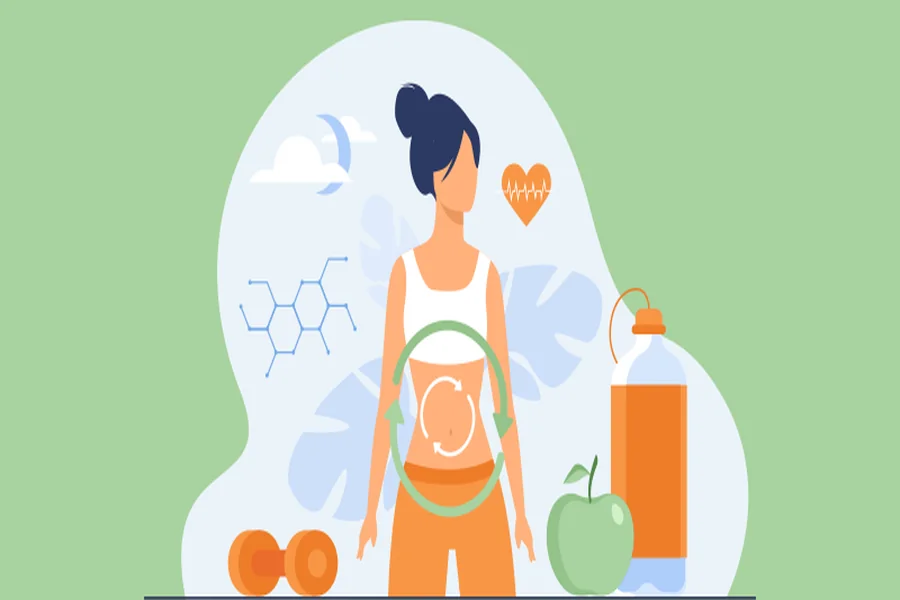
Metabolism determines how efficiently your body turns food into energy, influencing calorie expenditure and weight management. Understanding the Causes of Low Metabolism from eating too few calories and skimping on protein to leading a sedentary lifestyle or getting poor sleep is key to regaining control.
These hidden factors slow calorie burning, increase fat storage, and leave you feeling sluggish despite your best efforts. By identifying the root causes and implementing practical solutions through nutrition, strength training, quality sleep, and targeted supplements, you can restore energy, enhance metabolic efficiency, and support long-term weight management. This guide breaks down each factor and shows actionable ways to fix it.
Eating too few calories
Calorie restriction is a common mistake for weight loss, but eating too few calories can backfire. When your body senses a low calorie intake, it lowers your resting metabolic rate to conserve energy. This means your total daily energy expenditure drops, and your body becomes more efficient at storing fat.
- Calorie deficit: Severe calorie restriction triggers the body to burn fewer calories at rest.
- Thermic effect of food (TEF): Eating too little reduces TEF, meaning the energy your body uses to digest food decreases.
- Muscle loss: Low calorie intake can decrease fat-free mass and muscle mass, further slowing metabolism.
Skimping on Protein
Protein plays a crucial role in metabolism because it has a higher thermic effect than fats or carbs, meaning it requires more energy to digest.
- Muscle mass preservation: High protein intake supports fat-free mass, which burns more calories even at rest.
- Satiety: Protein helps control hunger and supports healthy metabolism and appetite balance, reducing the risk of overeating…
- Energy expenditure: Eating insufficient protein lowers the thermic effect of food, further contributing to a metabolic rate decline..
Leading a Sedentary Lifestyle
Physical inactivity significantly affects total daily energy expenditure. Non-exercise activity thermogenesis (NEAT), which includes all movements outside structured exercise, contributes to calorie burning.
- Energy expenditure: Sitting for prolonged periods decreases calories burned at rest.
- Muscle atrophy: Lack of strength training reduces muscle mass, lowering metabolic rate.
- Blood sugar control: Physical inactivity can increase insulin resistance, affecting fat storage and energy utilization.
Not getting Enough High-Quality Sleep
Sleep profoundly affects metabolism through circadian rhythms, which regulate hormone release, appetite, and energy balance. Inadequate sleep or sleep restriction disrupts the internal clock, impairing insulin sensitivity and promoting fat storage.
Research consistently links sleeping fewer hours to decreased total daily energy expenditure and increased risk of obesity and diabetes. Sleep deprivation lowers the body’s ability to process glucose efficiently, raises cortisol levels, and reduces fat-free mass all factors that contribute to metabolic slowdown.#
Drinking sugary beverages
Fructose-sweetened beverages and sugar-sweetened drinks, especially those with high-fructose corn syrup, have a direct impact on metabolism.
Unlike glucose, fructose is processed primarily in the liver, where excessive intake promotes fat accumulation and insulin resistance.
Studies indicate that high intake of sugar-sweetened drinks diminishes energy expenditure and disrupts hormonal signals that regulate appetite and fat storage
A lack of strength training
Muscle is metabolically active tissue. A lack of strength training accelerates the decline of muscle mass, reducing fat-free mass and calorie expenditure at rest.
Exercises like squats, deadlifts, and push-ups two to three times weekly boosts muscle mass, accelerates calorie burning, and supports long-term metabolic health. Without this stimulus, fat storage increases, and the risk of metabolic decline rises with age.
Supplements to Fix Low Metabolism
Magnesium
Magnesium supports hundreds of enzyme reactions in the body, including those responsible for energy production and calorie burning. Supplementing with magnesium helps restore energy levels, improve muscle function, and maintain efficient resting metabolic rate, directly addressing a slowed metabolism.
Iron
Iron is crucial for carrying oxygen to muscles and tissues, which fuels energy production. Low iron can lead to fatigue and slower calorie burning. By supplementing iron, your body’s energy systems function optimally, supporting higher total daily energy expenditure and combating metabolic slowdown.
Green Tea Extract
Green tea extract contains catechins that boost thermogenesis, helping your body burn more calories at rest. It also enhances fat oxidation, making stored fat a usable energy source. This supplement acts as a natural appetite regulation for metabolism, providing a practical solution for low energy expenditure.
B-Vitamin Complex
B-vitamins play a key role in converting food into energy and supporting nervous system function. Supplementing with a B-vitamin complex ensures that your body efficiently metabolizes carbohydrates, fats, and proteins, improving calorie expenditure and reversing subtle metabolic declines.
Vitamin D3
Vitamin D3 supports muscle health and hormone regulation, both vital for maintaining a healthy metabolic rate. Adequate levels improve insulin sensitivity and fat-free mass, which enhances calorie burning and helps your metabolism recover from sluggishness caused by deficiencies.
L-Carnitine
L-Carnitine helps shuttle fatty acids into the mitochondria to be used as energy. Supplementing with L-carnitine supports fat utilization, increases calorie burning during rest and activity, and preserves lean muscle mass, offering a direct solution to a slowed metabolism.
Conclusion
Low metabolism can stem from diet, inactivity, poor sleep, and nutrient deficiencies, all reducing calorie burning and slowing energy levels. By addressing these factors—eating enough protein, staying active with strength training, getting quality sleep, and using metabolism-supporting supplements like green tea extract, L-carnitine, and vitamin D3 you can restore metabolic efficiency. These strategies help your body burn calories effectively, maintain lean muscle, and support sustainable weight management and overall energy.